
At the Paris Motor Show, European Brands Bet on Nostalgia Against China's Tech Wave
Walking the halls of the Paris Expo Porte de Versailles this year, visitors could be forgiven for thinking they had wandered into a Chinese auto expo. Advertisements from Geely and BYD hung overhead, Li Auto commanded one of the first booths in sight, and the most technically arresting machines on the floor—Zeekr, Denza and their peers—were the ones drawing crowds. The home team of Renault, Peugeot and their continental colleagues were certainly present, but they were not the exhibits making enthusiasts’ heads turn.
The contrast was stark. Chinese manufacturers brought production-ready machines promising charging speeds that would have sounded implausible only a few years ago. The Zeekr 9X, a 900-volt plug-in hybrid, claims up to roughly 111 miles of electric-only range and comes fitted with plush reclining seats. BYD demonstrated vehicles capable of going from 10 to 97 percent charge in about nine minutes. Li Auto’s first European offering, the i6, can supposedly recharge from 10 to 80 percent in under eleven minutes while offering massaging rear seats and air suspension. At least five production cars at the show could hit that 10-to-80 benchmark in eleven minutes or less—and none of them came from a Western brand.
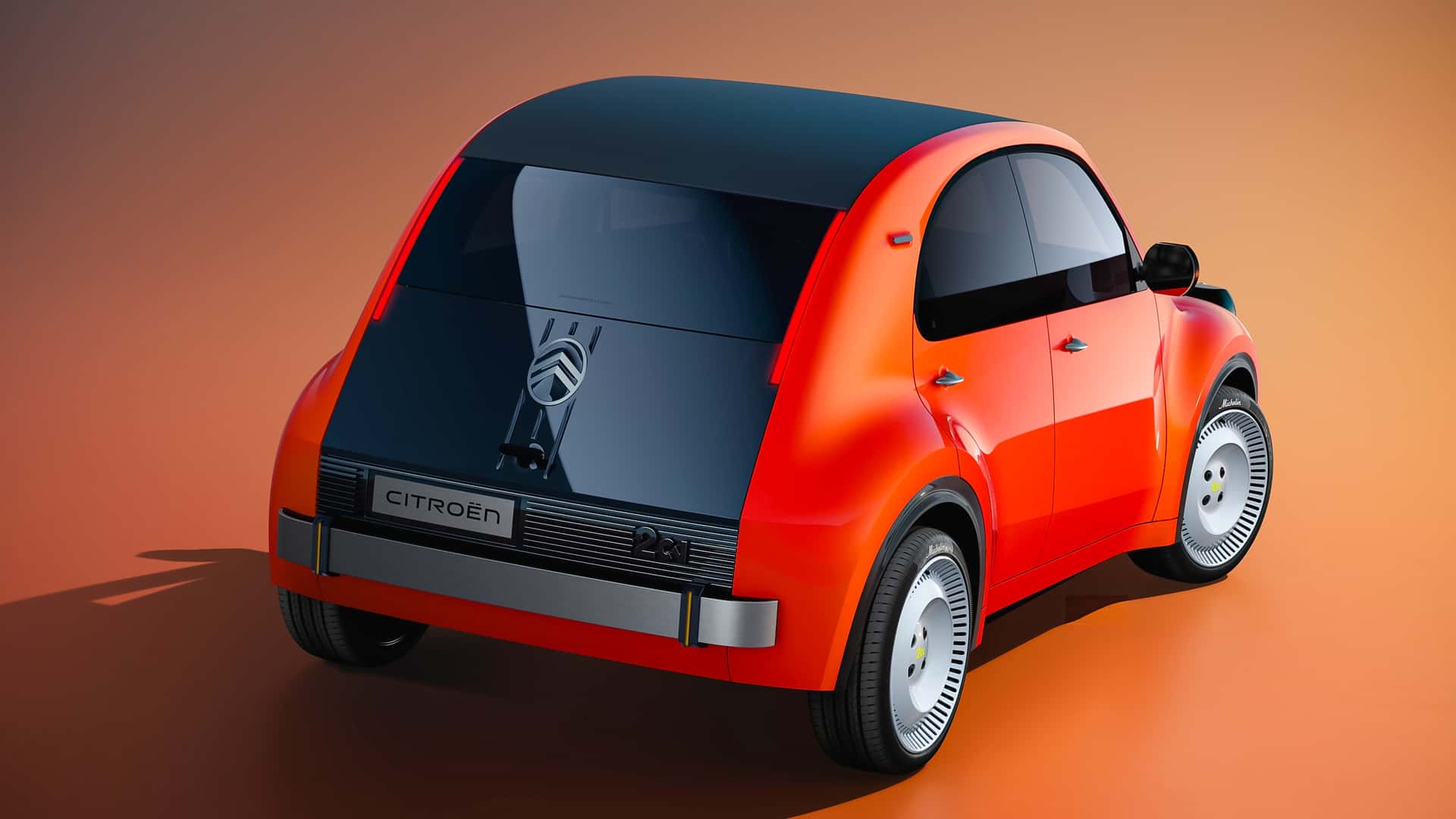
European automakers, by contrast, leaned hard into something less measurable: heritage. Renault revived the Espace name, Citroën teased a modern reinterpretation of the beloved 2CV, and Alpine rolled out a concept paying tribute to the A310. The subtext was unmistakable—stay loyal, and the good old days will return. Yet most of these crowd-pleasers were concepts rather than cars customers can actually buy, raising the awkward question of whether Europe can bring its most compelling designs to market with technology that competes with what China already sells today.
The pressure on European manufacturers is not hypothetical. They are being squeezed from three directions at once: sales are shrinking in China as domestic rivals capture market share, American profits are being eroded by tariffs, and their home-market dominance is now challenged by a steadily expanding roster of Chinese brands. Higher energy, labor and regulatory costs in Europe make the global contest even harder. Executives have stopped pretending otherwise, raising alarms in earnings calls and with policymakers. Brussels has responded with steep tariffs—Li Auto, for instance, faces cumulative duties exceeding 40 percent—and is beginning to tighten rules on hybrid imports as well. Even so, Li Auto reportedly intends to price the i6 against the BMW iX3, a vehicle with less interior space and slower charging.
So the legal barriers alone will not decide this fight. The real test is whether European firms can pair their undeniably strong design and branding talent with genuinely competitive electric drivetrains—and do it fast. China’s automakers do not tease a concept and then wait years to deliver it; they ship new products frequently and iterate rapidly. That said, cars remain an emotional purchase, and there is real power in a legendary nameplate. The reborn Renault 5 and Twingo EVs, along with a well-executed 2CV revival, could prove durably charming even as cheaper, longer-range Chinese options flood the market. Whether that charm is enough is the question Europe now has to answer.
What do you think?