
FedEx Bets $300M on Harbinger Electric Trucks, Targets $800M in Diesel Savings
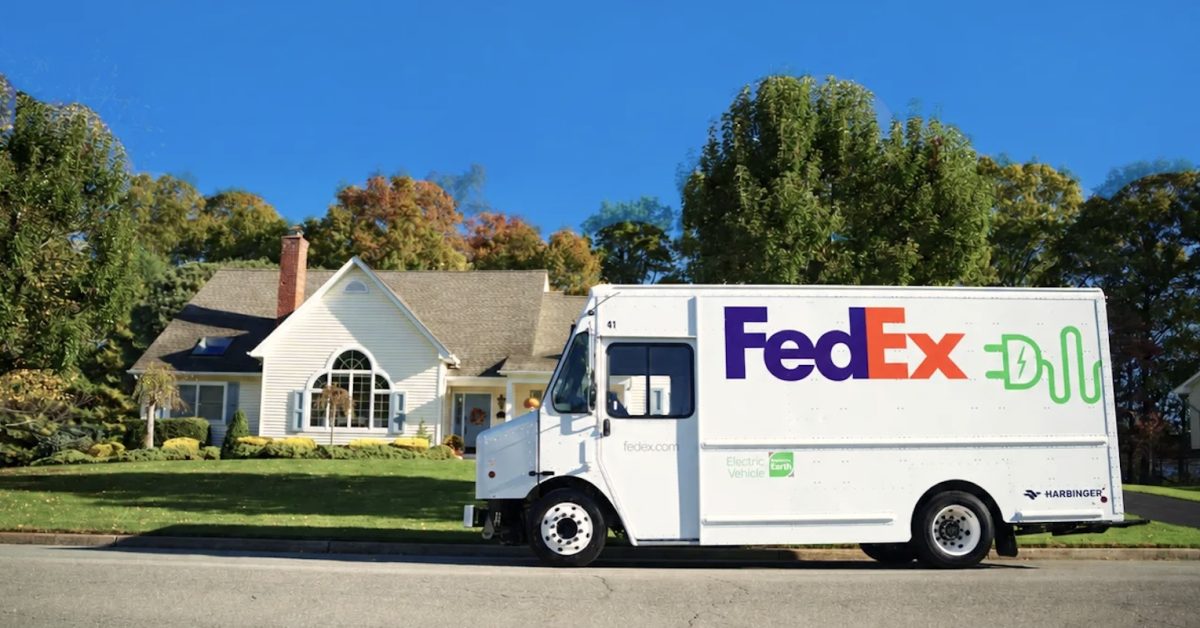
FedEx has committed to one of the biggest single orders for electric commercial vehicles ever recorded, signing a deal with California-based startup Harbinger Motors for 2,000 all-electric box trucks. The agreement carries a reported price tag north of 800 million over the working lives of those vehicles.
The arithmetic behind that projection comes straight from Harbinger’s own estimates. Each Class 5 and Class 6 medium-duty box truck is expected to trim around 400,000 in lifetime fuel savings per vehicle, or roughly $800 million across the entire 2,000-truck order — an effective return on investment near 166 percent.
Harbinger CEO John Harris framed the deal as proof that fleet electrification can stand on its own financially, noting that FedEx had already gained hands-on experience with the company’s trucks through earlier, smaller deployments. Paul Melander, FedEx’s Senior Vice President of Safety & Transportation and a member of Harbinger’s board, said the expanded rollout supports both the company’s cost-cutting goals and its broader fleet electrification strategy. FedEx has set a target of fully electrifying its operating fleet by 2040.
The environmental math is just as striking. According to Harbinger, replacing those diesel trucks with electric models will keep more than 1.7 million tons of carbon dioxide out of the atmosphere over the vehicles’ projected operating lifetimes. Medium-duty box trucks are widely viewed as strong candidates for electrification because they typically run predictable, relatively short daily routes and return to the same depot each night, where they can be charged cheaply overnight.
The order marks a major milestone for Harbinger, an American startup that has been steadily building its presence in the commercial EV space. Earlier this year, the company drew attention at Work Truck Week in Indiana with the reveal of an extended-range electric vehicle concept. For FedEx, meanwhile, the purchase represents one of the largest binding commitments to electric medium- and heavy-duty trucks on record, signaling that major logistics operators now see battery-powered fleets as a practical business decision rather than a purely environmental statement.
What do you think?