
Ukraine Alleges Starlink Speed Limits Are Grounding Its Drone Fleet as Poland Rips Musk
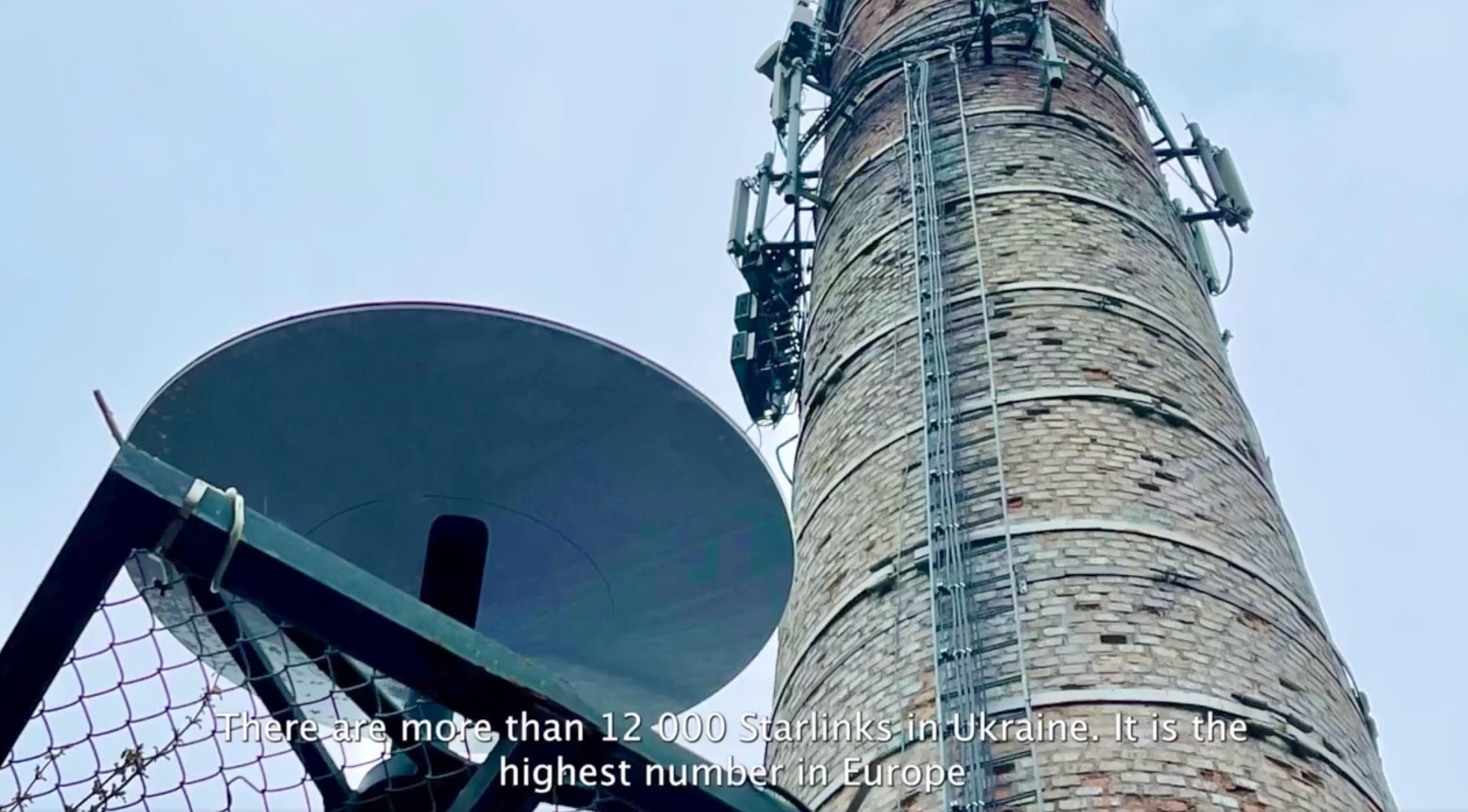
Ukrainian military officials are publicly accusing SpaceX of quietly restricting the speed at which Starlink-powered drones can operate, warning that the change is preventing several combat missions from being completed. Presidential adviser Serhiy Beskrestnov said Starshield terminals have started dropping their connection once they travel faster than roughly 100 miles per hour, and that no advance notice was given to Ukraine’s defense forces. According to Reuters, he described the restriction as the direct cause of multiple disrupted operations.
The reported speed ceiling appears to be moving downward as more units report problems. Ukraine’s 7th Rapid Reaction Corps told Reuters that signal loss already occurs at 68 to 75 mph, with outages lasting between 10 and 20 seconds — long enough to make a drone difficult or impossible to steer. Volunteer Serhiy Sternenko, citing military field reports, went further, saying dropouts are now showing up at speeds as low as 37 to 43 mph. These accounts come from Ukrainian officials and military sources and have not been independently confirmed. Civilian-grade terminals, by contrast, are reportedly unaffected.
SpaceX has stayed silent on the matter, offering no confirmation that any policy or technical change took place. Ukrainian officials suspect the timing is not accidental. Washington has been urging Kyiv to halt long-range strikes on Russian oil refineries, particularly after President Trump pushed for an energy ceasefire, and Musk posted over the weekend that Zelensky “has gone too far.” No evidence has surfaced tying the alleged limit to the White House or to SpaceX leadership, leaving political motives as an allegation rather than a proven fact. A purely technical or internal policy adjustment affecting fast-moving terminals has not been ruled out either.
Poland’s foreign minister, Radosław Sikorski, weighed in sharply on X, quoting a Kyiv Independent report and addressing Musk directly: “Hey, @elonmusk, big man, are you playing politics with your products again? As your European customers, we are watching you.” Warsaw is the single largest backer of Ukraine’s Starlink access, having supplied over 29,000 terminals and covering operating costs Sikorski has estimated at about $50 million per year. His jab echoes a 2025 exchange in which Musk told him to “be quiet, small man.” Neither Musk nor SpaceX had issued a response as of this writing.
The friction lands atop a complicated history. Musk confirmed in February 2022 that Starlink was operating in Ukraine, and by that October SpaceX was asking the Pentagon to help cover a bill Musk said was nearing $20 million monthly — before he reversed himself and pledged the company would keep paying. In December 2024, the Pentagon shifted some terminals to Starshield, the government-grade service now at the heart of the complaints. SpaceX has adjusted how its network treats certain Ukrainian terminals before, once with Kyiv’s blessing: in February, Ukrainian officials confirmed that devices believed to be used by Russian troops were deactivated after coordination with SpaceX, a move commanders later credited with blunting Russian attacks. Whether something comparable explains the latest reports remains unknown, which is precisely why Ukraine is pressing for answers. In the meantime, Kyiv is hedging — defense tech firm Stetman is building its own UASAT-NANO satellite system, and European officials have floated Starlink alternatives since early 2025, though nothing yet matches its coverage.
What do you think?