
Europe's EV Charging: Card Roaming Gains Ground While App Chaos Persists
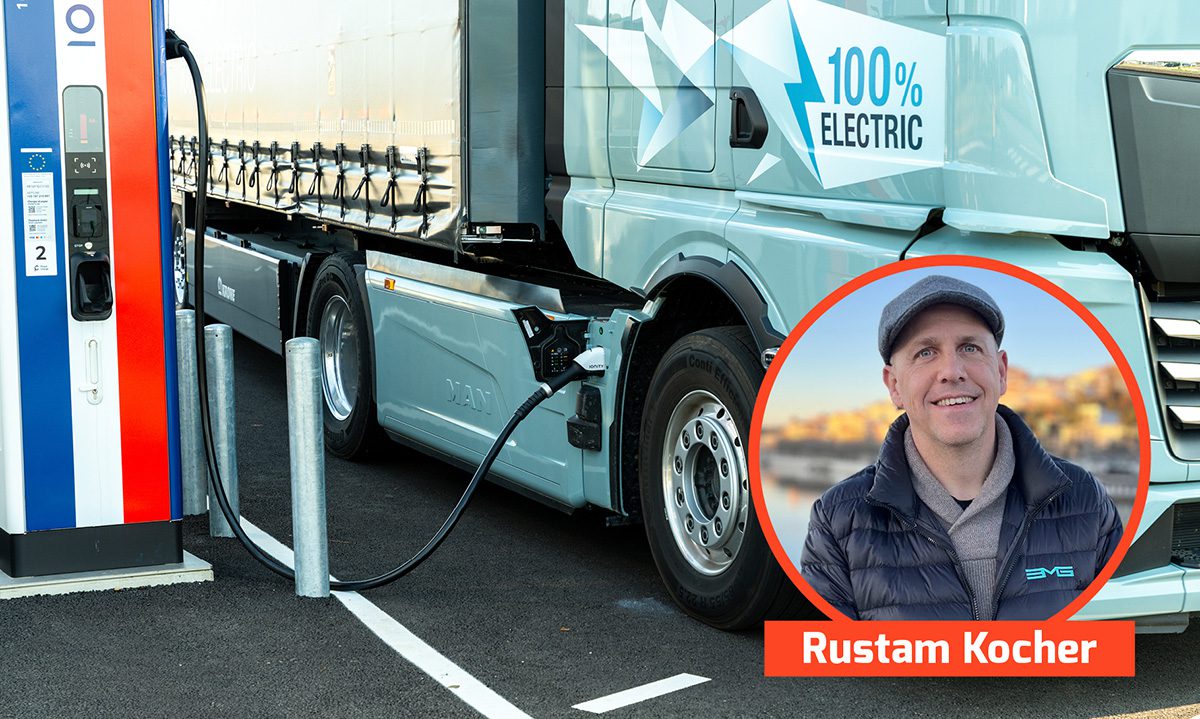
Public charging in Europe presents a story of contrasts, according to EV industry veteran Rustam Kocher, who has spent four years living on the continent after a long career developing electric trucks. While the US has seen public Level 2 charging shrink as DC fast charging expands, Kocher says Type 2 charging in Europe remains a familiar sight across business parks and shopping centers. It is paid, but widely available, inexpensive due to low power output, and relies on drivers bringing their own cables.
What has not improved, however, is the app situation. Kocher describes a landscape where drivers accumulate dozens of proprietary applications, each tied to a specific charger in a specific city. He recounted one ordeal in a parking garage three levels underground, with no cellular or WiFi signal, where completing a charge required him and his wife to coordinate by timing: she plugged in while he ran upstairs to catch a signal and trigger the session remotely. The charger was technically “up,” yet the experience exposed why uptime metrics alone fail to capture whether drivers can actually complete a first-attempt charge.
Kocher also warned of a growing scam: vinyl QR code stickers placed over legitimate payment codes on chargers, redirecting drivers to spoofed sites that harvest payment information while the charging company receives nothing.
The more encouraging trend is roaming. On a trip to the Basque Country, Kocher found far more stations and partnership agreements, enabling him to use a single card across multiple networks. Octopus Energy’s card-based approach drew his praise, even as its US equivalent proved difficult to sign up for. The direction is clear: consolidation through roaming could eventually spare drivers from juggling a phone full of apps.
What do you think?