
Honda's Solid-State Battery Push: What the Science Actually Says
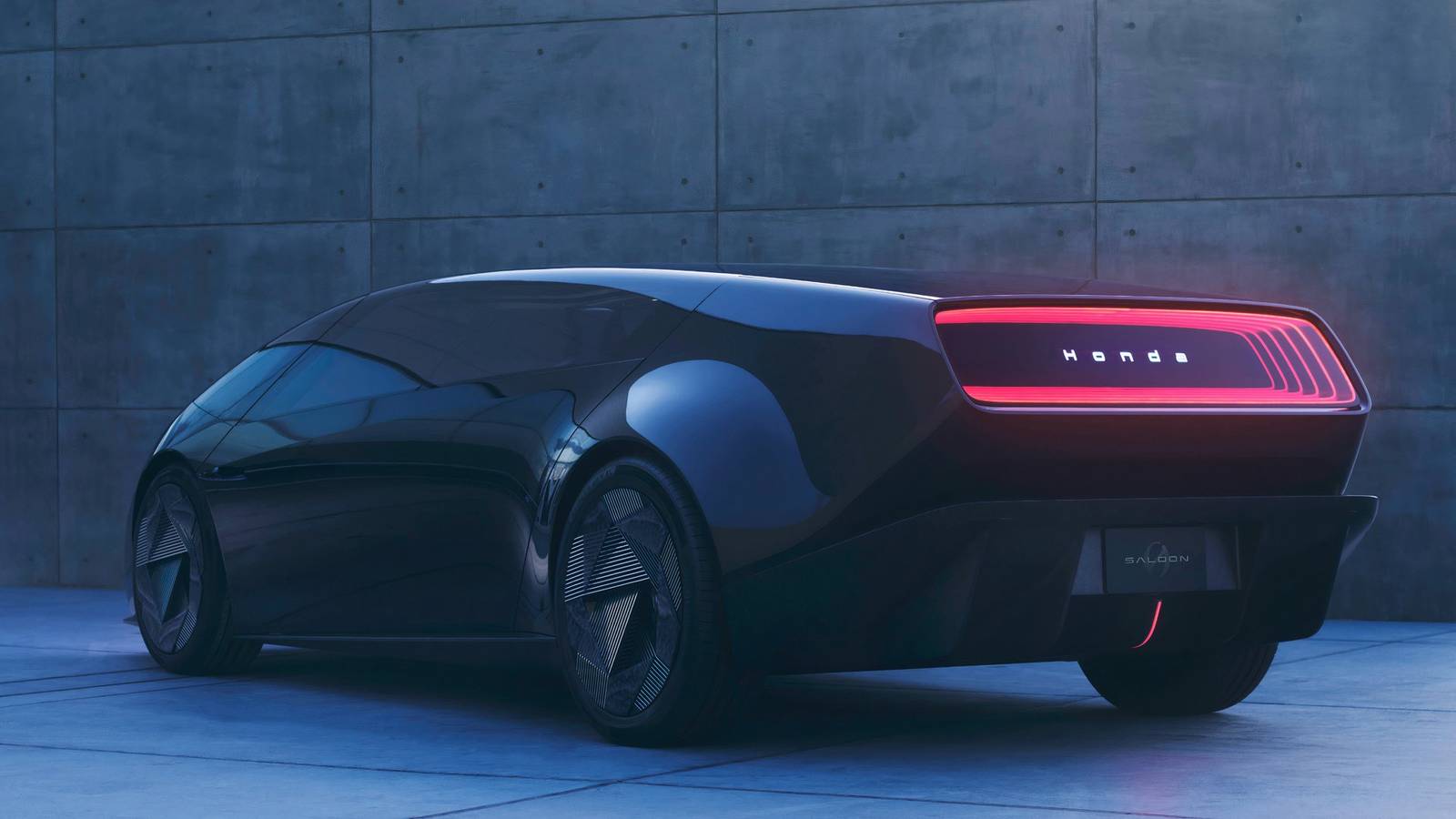
Solid-state batteries have long been pitched as the next big leap for electric vehicles, and Honda is among the automakers putting serious research weight behind the technology. The appeal is straightforward: replacing the liquid electrolyte in a conventional lithium-ion cell with a solid material opens the door to higher energy density, faster charging and a reduced fire risk. Honda’s work in this space is part of a broader effort to make those theoretical gains hold up in real-world packs.
The scientific hurdles are substantial. Getting a solid electrolyte to conduct ions efficiently while maintaining stable contact with the electrodes is a materials challenge that has kept solid-state cells in laboratories for years. Dendrite formation, interface resistance and the cost of manufacturing at scale are the recurring obstacles that engineers must solve before the technology can move from prototype to production line.
Honda has been positioning solid-state batteries as a pillar of its future EV strategy, betting that the chemistry can deliver lighter, more compact and quicker-charging vehicles than today’s lithium-ion designs. The company has signaled that its research is advancing, though the path from laboratory results to mass production remains long and expensive.
For drivers, the payoff would be tangible: more range from a smaller pack, shorter stops at the charger and a lower risk of thermal events. Until solid-state cells reach showrooms, though, the industry’s progress will be measured in incremental gains to the batteries already on the road.
What do you think?