
Energy Vault's Gravity Storage Meets a Tough Rival: Batteries
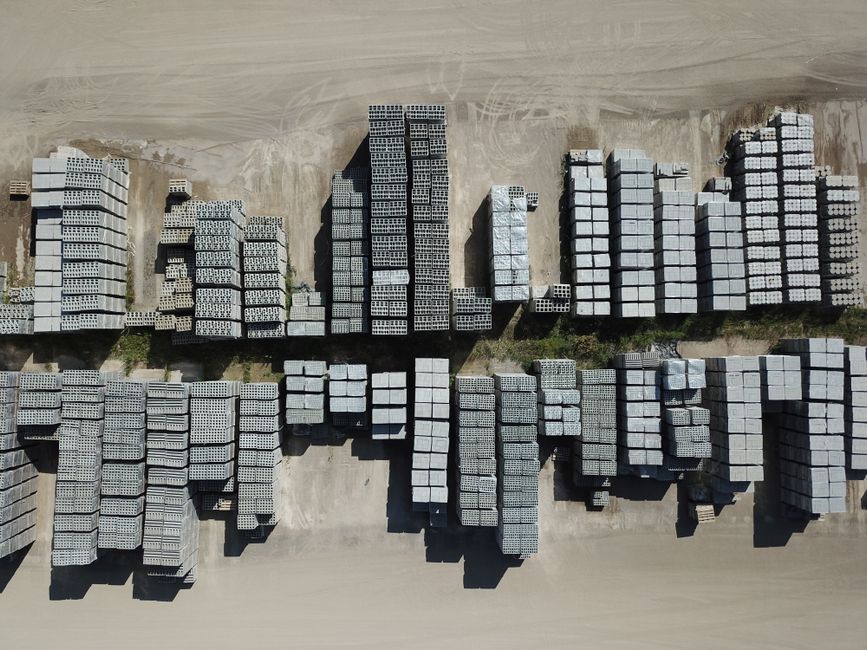
Energy Vault has pushed its gravity-based energy storage concept into real-world operation with a project in Rudong, China, and the site offers a rare chance to judge the technology without the usual caveats that trail first-of-a-kind installations. The project benefited from mature local supply chains for concrete, steel, motors and power electronics, alongside government backing and grid coordination — conditions that strip away many of the logistical excuses such ventures often carry.
That makes the comparison with battery energy storage systems unusually direct. The benchmark is harsh: lithium-ion packs have ridden years of cost declines, dense manufacturing scale and fast installation timelines, while gravity storage still leans on heavy civil works and mechanical components. Energy Vault’s challenge is not whether its system can run, but whether it can compete on the metrics that matter to grid operators — cost per kilowatt-hour, round-trip efficiency and how quickly a project can be deployed.
Rudong serves as a proving ground rather than a verdict. It demonstrates that the hardware works at scale, yet the economics remain the open question. If gravity storage cannot close the gap with batteries in markets that already favor electrochemical solutions, its role may be limited to niches where duration, geography or supply-chain independence matter more than raw efficiency.
What do you think?