
Denza Pins 2027 European Rollout of City Driving Assist on UN Approval
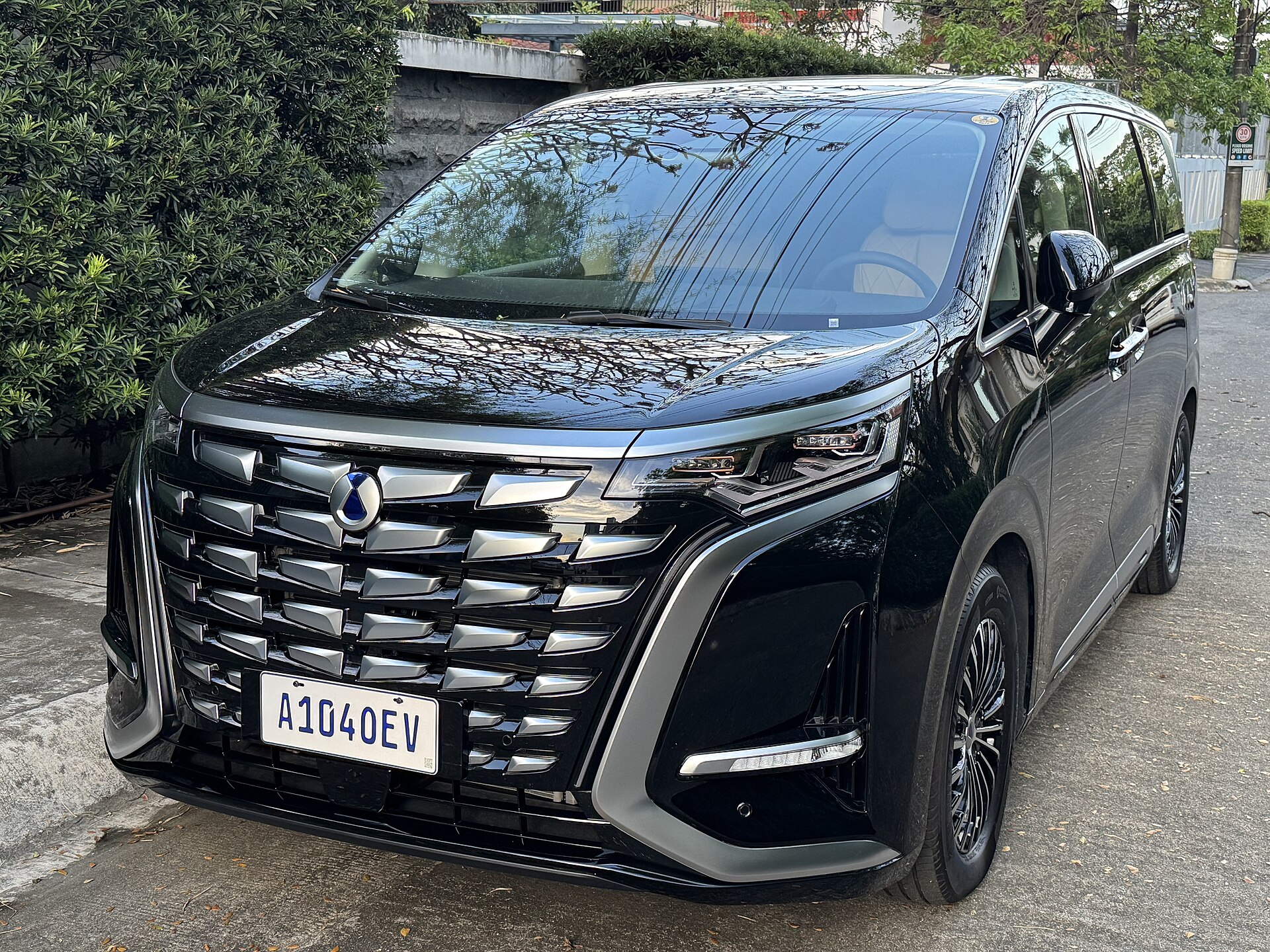
Denza, the premium marque backed by BYD, has laid out plans to introduce its City Navigation on Driving Assistant to European roads in 2027, with the update arriving over the air. The first recipient will be the Z9GT grand tourer, which the brand says already carries all the necessary sensing hardware as standard equipment.
The gating factor is regulatory rather than technical. Before the feature can be switched on, it must clear type approval under UN Regulation 171, and Denza describes the software as being in advanced calibration while that clearance is pursued. The hardware suite on the Z9GT includes a lidar unit, eleven cameras, three millimetre-wave radars and twelve ultrasonic sensors. Functionally, the system is designed to halt at red lights, yield at roundabouts, execute left turns and manoeuvre around double-parked vehicles, though ultimate responsibility remains with the person behind the wheel.
BYD executive vice president Stella Li framed the rollout as the fulfilment of an earlier promise, noting that the hardware has been fitted to the Z9GT since launch and that the software is expected to follow in 2027. She said the capability should ease the strain of city driving, from congestion to complex junctions and roundabouts, and argued that pairing it with Flash charging and the e3 platform sharpens Denza’s standing among brands chasing driver-focused innovation.
The announcement came alongside a European debut for the Z supercar in Paris. Denza says the Coupé variant dispatches 0-100km/h in 2.25 seconds, and it relies on BYD’s Flash charging technology, which the company claims can move the battery from 10% to 97% in nine minutes.
Taken together, the two reveals sketch a strategy in which Denza leans on BYD’s broader technology stack to establish itself in Europe. The 2027 timing for urban assist places the brand’s software ambitions directly in step with the continent’s evolving approval framework, making the regulatory calendar as decisive as the engineering itself.
What do you think?