
Denmark's Wind Power Surge: What Happens When Supply Exceeds Demand?
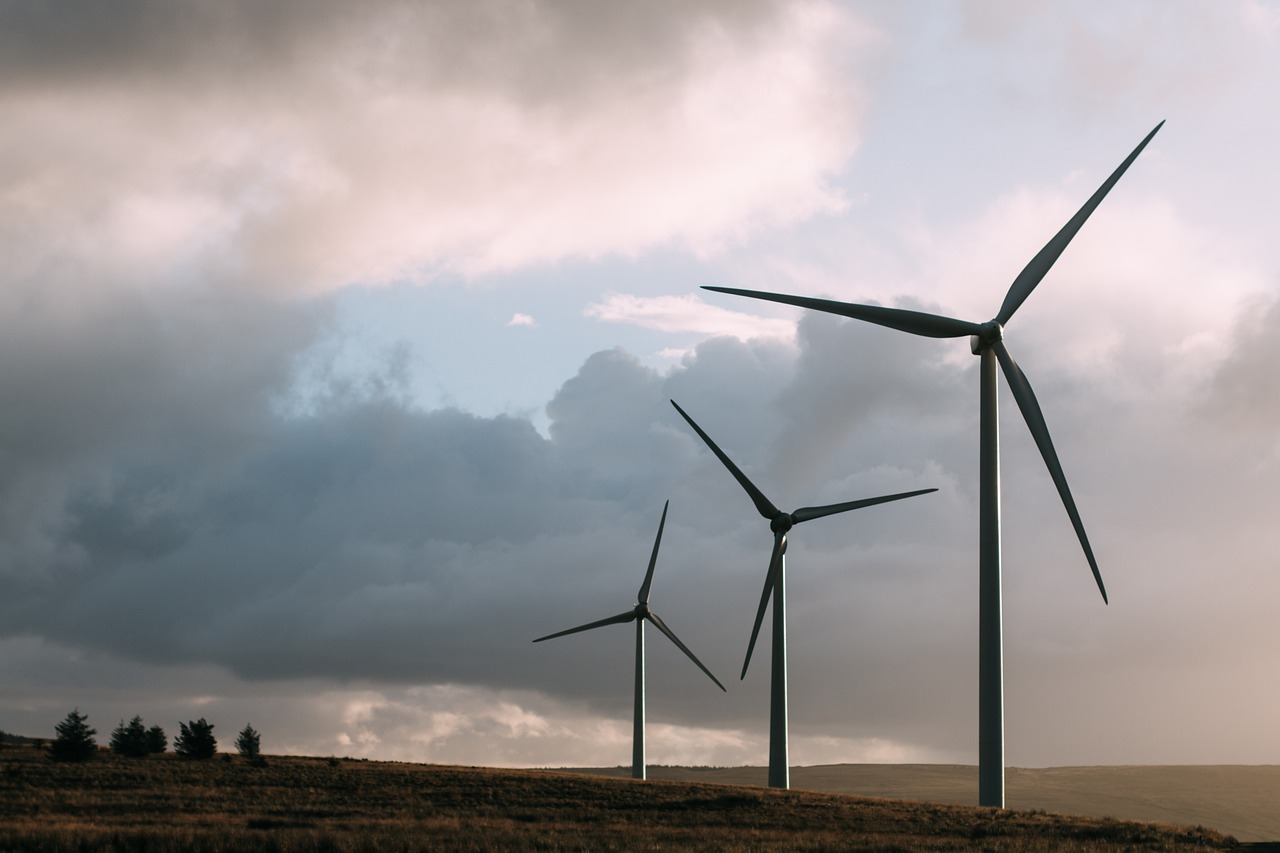
Denmark recently hit a striking milestone: wind farms generated 140% of the country’s electricity demand during an early-morning window, setting a new record for the nation. This achievement underscores how far Denmark has pushed renewable energy integration, but it also raises an obvious question: where does the surplus 40% go?
Managing oversupply is a core challenge for grids with high renewable penetration. When wind output exceeds consumption, operators must either store the excess, export it to neighboring countries via interconnectors, or curtail production—essentially shutting down turbines to avoid overloading the system. Each option has trade-offs, from infrastructure costs to market dynamics.
Denmark’s experience offers a preview of what many grids will face as wind and solar capacity grows. The country’s ability to handle such high shares without major disruption speaks to the role of regional cooperation and flexible grid management. Yet the extra 40% also highlights the need for better storage solutions, demand-response programs, and expanded transmission links to turn surplus power into value rather than waste.
As more nations chase ambitious renewable targets, Denmark’s record isn’t just a bragging right—it’s a live experiment in how to run a modern grid when the wind blows harder than the market needs.
What do you think?