
Connected Cars and the Data They Collect: What Drivers Should Know
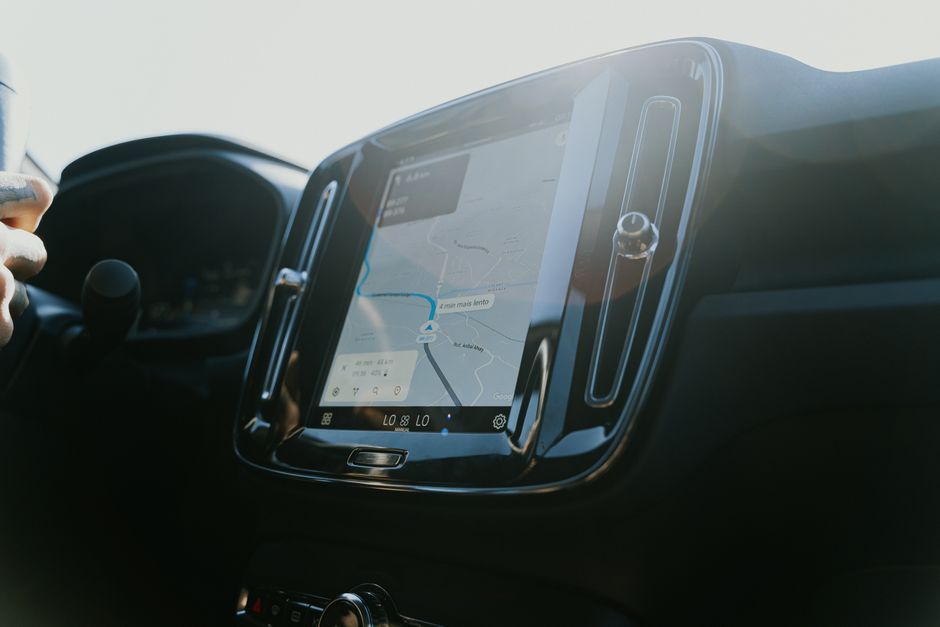
Modern vehicles have evolved into rolling sensor platforms, continuously gathering information about how they are driven, where they go, and who is behind the wheel. This data can include speed patterns, braking habits, location history, and even biometric signals picked up by in-car systems. While some of this information helps improve safety and diagnostics, it also raises uncomfortable questions about who can access it and what they do with it.
Regulators have started paying closer attention to these practices. Earlier this year, the Federal Trade Commission signaled interest in how automakers handle driver data, a move that reflects growing concern among consumers and privacy advocates. The core issue is consent: many drivers are unaware of how much information their cars collect or that it may be shared with insurers, advertisers, and other third parties.
For anyone shopping for a new vehicle, it is worth asking what data the car records and how it is used. Automakers are not all equally transparent, and the fine print in connected-services agreements can be extensive. As cars become more software-driven, the line between a useful feature and an intrusive one will only get harder to spot.
Drivers who want more control can start by reviewing privacy settings in their vehicle’s infotainment system, checking what companion apps request, and asking dealers direct questions about data sharing. The conversation around automotive privacy is still developing, but the decisions made now will shape how much of our driving lives remains private.
What do you think?