
China Trims VAT Rebate on Exported EVs, Pushing Automakers Toward Real Competition
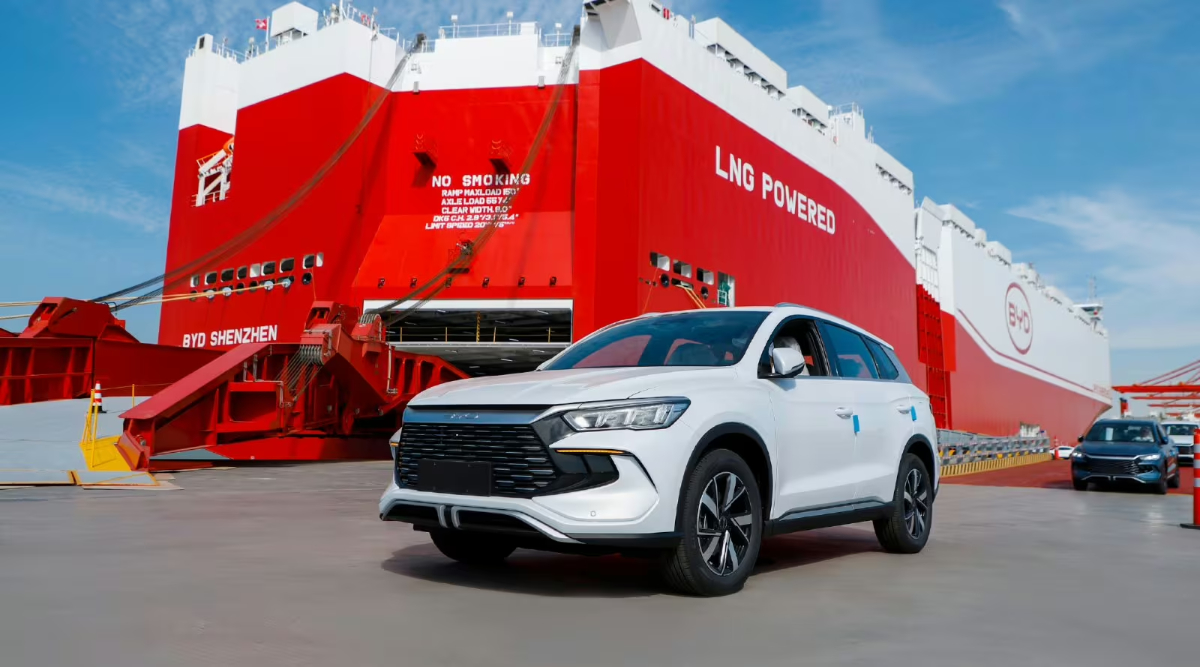
China is tightening the screws on its own electric vehicle industry — not to weaken it, but to force it to compete without a safety net. This week, Beijing confirmed that the value-added tax rebate granted to exported battery-electric and plug-in hybrid cars, buses, and trucks will be cut from 13 percent down to 9 percent, effective April 1, 2027. The rebate has long functioned as a quiet subsidy for overseas sales, letting Chinese brands undercut rivals in foreign showrooms.
The mechanics matter. Under the current system, manufacturers effectively recover the VAT they pay on components and inputs used to build vehicles destined for export, avoiding double taxation on parts that were already taxed when imported into China. That permissive structure made exported Chinese EVs cheaper abroad. With domestic demand soft — new car sales slipped 9.4 percent in September alone — the export channel has become a lifeline. According to the industry association CAAM, exports of electric and plug-in hybrid vehicles surged 130 percent in the first nine months of 2026, passing four million units.
The cut arrives alongside a separate diplomatic development: a European trade delegation reportedly secured a commitment from China to halve exports of plug-in hybrids. Whether the two moves are linked is left for observers to judge, but the timing is hard to ignore.
The financial hit will be real. Deutsche Bank analysts estimate that from the second quarter of 2027, industry leader BYD will lose roughly 5,000 yuan — about €670 — in net profit per exported vehicle. BYD shipped more than 1.34 million units abroad in the first three quarters of 2026, nearly 43 percent of its total volume. Rivals including Chery, Geely, SAIC, Great Wall, Changan, Leapmotor, GAC, and Xpeng will face the same pressure, forcing them to claw back margin through efficiency gains, price adjustments, or thinner profits.
What’s notable is the broader pattern. China has already scrapped VAT rebates on exported solar modules as of April 1, 2026, and is winding down battery rebates toward full elimination by early 2027. The message is consistent: once a strategic sector matures, the state steps back rather than propping up laggards indefinitely. Analysts read the shift as an attempt to move Chinese automakers away from subsidized discounting and toward competition on technology, brand strength, and service quality.
It is a calculated bet that domestic champions are strong enough to stand on their own — and a reminder that industrial policy, however aggressive, need not be permanent.
What do you think?