
China Accepts Cap on Hybrid and PHEV Shipments to Europe
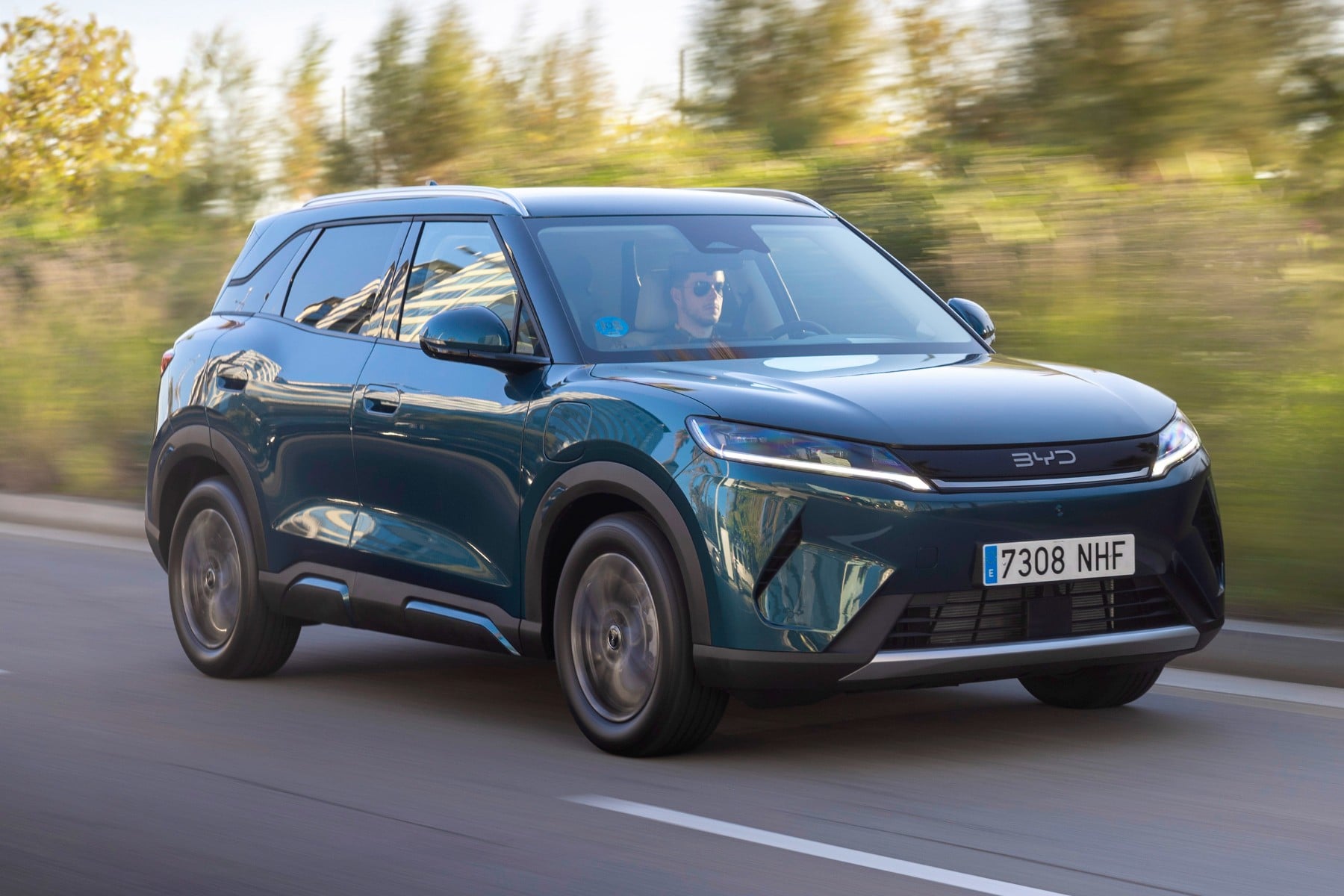
After two days of negotiations in Beijing, EU Trade Commissioner Maroš Šefčovič and China’s Commerce Minister Wang Wentao reached an understanding that would see Chinese exports of hybrid and plug-in hybrid vehicles to the European Union shrink over a four-year window. Šefčovič framed the concession as substantial, saying the two sides are discussing a reduction amounting to several million cars, though he stopped short of spelling out how the numbers were calculated.
That silence matters, because the baseline is anything but obvious. Chinese hybrids and plug-in hybrids have been arriving in Europe at a rate of roughly 50,000 units per month, and it is widely assumed in Brussels that the flow would have kept climbing without intervention. Whether the target is measured against today’s volumes or against a projected trajectory will determine how much of a brake the deal actually applies. The technical architecture of the agreement, including how compliance would be verified, has not been published.
The backdrop explains why hybrids became the pressure point. Anti-subsidy duties on Chinese battery-electric cars took effect in October 2024, stacked on top of the standard 10 percent tariff, which made pure EVs far more expensive to land in Europe. Hybrid and plug-in hybrid models kept facing only that base 10 percent duty, and Chinese manufacturers responded by leaning heavily on them. ACEA data cited in the talks shows Chinese brands lifting their European hybrid share from 2 percent in 2024 to 14 percent in the first half of 2026, while their plug-in hybrid share jumped from 2 percent to 25 percent over the same period.
Before the agreement materialised, Beijing had turned down a voluntary export restraint, prompting Brussels to examine the so-called Safeguard Instrument — a mechanism that allows tariff quotas when a product category surges suddenly and threatens serious harm to domestic producers. Imports inside a set volume would face existing duties, with an extra levy applied above that threshold. No official EU confirmation followed, though the leak’s timing suggested it was meant to add pressure at the negotiating table.
European industry greeted the news warily but positively. ACEA called it a constructive step toward defusing trade friction while cautioning that the fine print remains unknown. Its Director-General, Sigrid de Vries, warned that a sharp and sudden destabilisation of the European market, accompanied by the kind of price wars seen in China, would be highly disruptive to the wider European economy, and said the announcement could help manage the shift toward a new phase of Chinese market presence in an orderly way. EU leaders are set to assess the outcome at the European Council on 15 and 16 October, after which the Commission would launch the required procedures if the deal is endorsed. Further ministerial talks are planned for January, with the next full round of trade and investment negotiations scheduled for March 2027.
What do you think?