
Small SUVs Are Eating the Midsize Segment — and Buyers Are Voting With Their Wallets
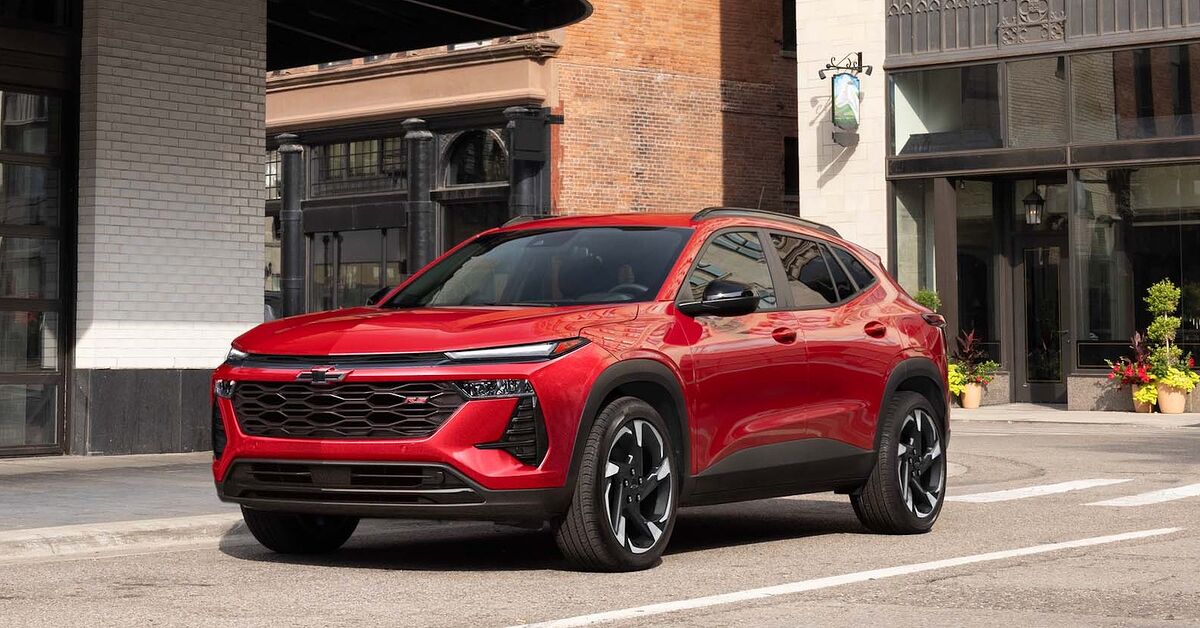
Chevrolet has just pulled the wraps off two fresh small utilities, the 2027 Trax and the 2027 Trailblazer, and the automaker is treating them as central to its profit picture for both the short and long haul. That framing says a lot about where the American market is heading: the compact and subcompact crossover class now accounts for roughly 6% of overall sales and keeps expanding, which is why GM is willing to bet its margins on vehicles this size.
It wasn’t long ago that the opposite was true. Midsize SUVs rocketed to the top of the sales charts and stayed there long enough that Ford and General Motors walked away from their sedan lineups entirely, redirecting that money into every conceivable flavor of utility vehicle. Now the momentum appears to be tilting back toward smaller, cheaper models — a shift driven less by fashion than by economics.
Buyer behavior backs that up. Spend a few minutes in any parking lot and the pattern is hard to miss: Nissan Rogues, Volkswagen Tiguans, Mazda CX-5s and Ford Escapes filling the spaces that a decade ago would have held Nissan Muranos, Volkswagen Touaregs, Mazda CX-9s and Explorers. The logic is simple — when prices climb, shoppers downsize. Today’s compact crossover, in other words, is yesterday’s midsize.
That downsizing has costs, and not just for enthusiasts. One school of thought holds that the U.S. fleet is converging on European proportions, with the big, floaty sedans that once suited wide-open highways long gone and fuel costs now weighing on household budgets the way they have in Germany, France, Britain and Italy for years. If that trajectory holds, analysts warn that slow-selling full-size trucks could pile up on dealer lots.
The timing is awkward for the industry on another front as well. One widely circulated — and heavily debated — claim in the discussion around these launches is that internal-combustion vehicles slipped below half of global sales in the first six months of the year, while GM’s North American EV volume fell more than 40% and Ford’s dropped by more than two-thirds over the same stretch. Whatever the precise figures, the message for automakers is the same: the middle of the market is shrinking, and the money is moving to the ends.
What do you think?