
char.gy Wins 11 LEVI Contracts to Bring Curbside Charging Beyond London
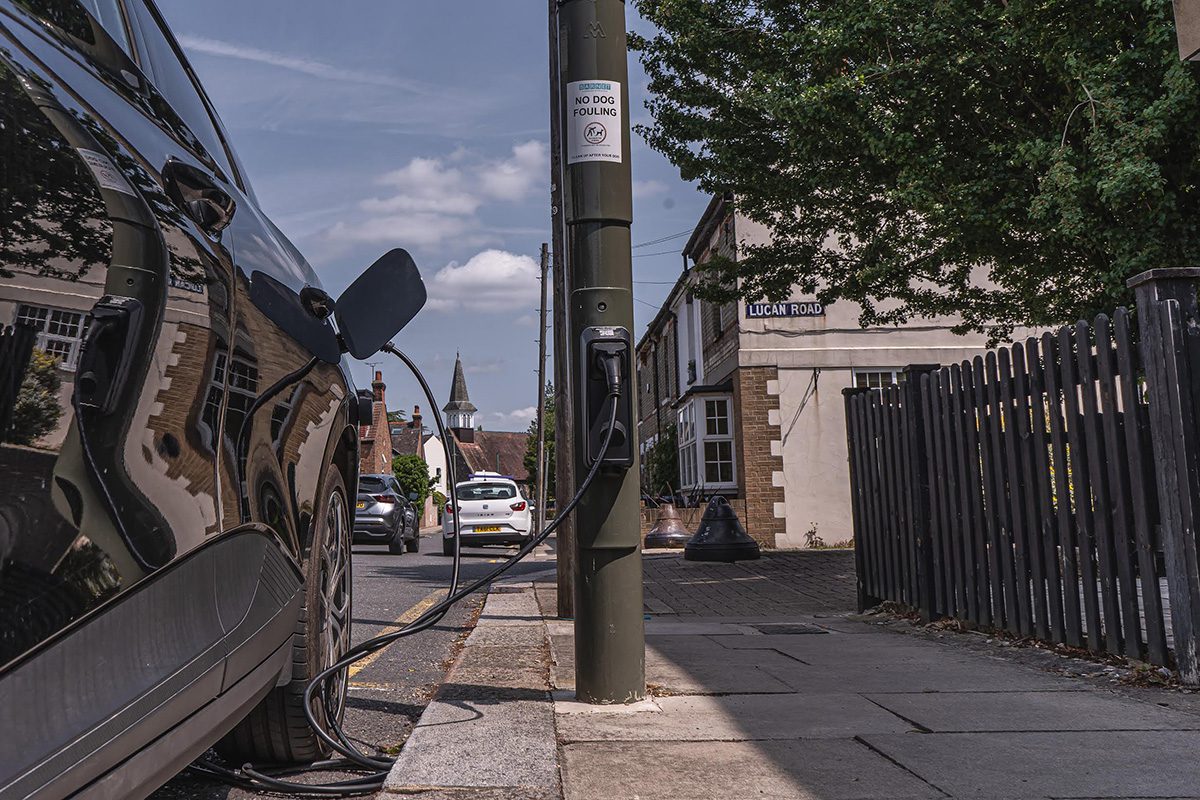
The UK’s push to spread public charging beyond the capital has found a major contractor in char.gy, an on-street charging specialist that has now been awarded 11 contracts under the government’s Local Electric Vehicle Infrastructure (LEVI) Fund. Together, those awards cover more than 60,000 charging sockets across England.
The LEVI program was created specifically to narrow a persistent geographic gap. For years, critics argued that public charger investment flowed disproportionately to London while smaller cities and rural counties were left waiting. LEVI funding is channelled through local authorities, giving councils outside the capital a direct way to finance kerbside projects tailored to their own streets.
Progress is already visible. According to char.gy, more than 650 LEVI-backed sockets are up and running in Brighton & Hove and Reading. Four additional rollouts are currently in delivery across Brighton & Hove, Devon & Torbay, Reading and West Northamptonshire, while seven further projects — including work on the Isle of Wight and in Central Bedfordshire — have been awarded and are moving toward signature.
The company’s London operations continue to grow in parallel. char.gy recently passed its 6,000th installed charge point, with active installations under way in the boroughs of Barnet and Enfield. That milestone underscores how quickly the company has scaled since its early deployments.
The scale of the opportunity is significant. char.gy notes that as of the end of 2025, more than 70 percent of all kerbside chargers installed nationally were located in London — a concentration the LEVI program is designed to correct. On-street units accounted for over 55 percent of new public charger installations in 2025, and the UK’s total public charging network has now edged past 122,000 points. With 11 LEVI contracts in hand and seven more councils in advanced talks, char.gy is positioning itself at the centre of the effort to make charging access a nationwide reality rather than a capital-city privilege.
What do you think?