
Canada and Europe Hit the Brakes on Vehicle Emissions Rules
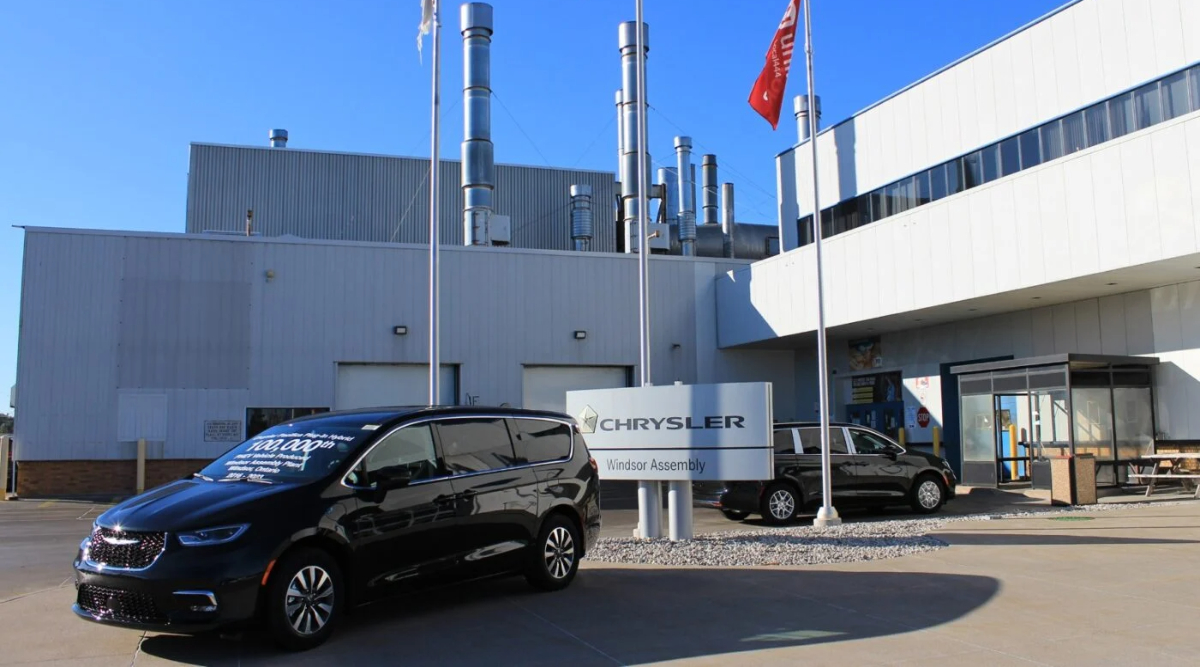
Canada just froze its vehicle emissions rules for three years, and the EU is quietly sliding toward a softer 2035 target. Both governments insist they still intend to get there. Just not yet.
The pattern is familiar by now. Ambitious climate pledges are announced with fanfare, then quietly stretched when the political arithmetic gets awkward. This week the arithmetic got very awkward indeed, and the victims were the two regulatory frameworks meant to drag the car industry toward zero.
Canada Puts the Mandate on Ice
Ottawa confirmed it will hold the current fleet average at 172 grams of CO2 per mile (107 g/km) until the end of model year 2029. Only then does the ratchet begin turning, year by year, toward a final 74 g/mi (46 g/km) figure.
Yet the government still claims it will hit 75 percent electric new-car sales by 2035. That promise now rests on a timeline with three empty years baked into it.
Prime Minister Mark Carney and Ontario Premier Doug Ford framed the freeze as breathing room for manufacturers dealing with trade disruption, and said the pause would still let companies bank greenhouse gas credits for later use. Alongside the rule change, the two governments put up CAD 2.5 billion over two years for capital projects at Canadian auto plants.
Reactions split along predictable lines. The Canadian Vehicle Manufacturers Association welcomed what CEO Brian Kingston called a more “predictable, competitive, and achievable” regulatory environment that protects jobs and investment.
Clean energy groups were less charmed. Clean Energy Canada argued that postponing any increase until model year 2030 loads all the pressure onto the back end of the policy and could sink it entirely. The Pembina Institute went further, saying the delay makes the 75 percent goal effectively unattainable — and pointed at lost household fuel savings, up to $21 billion in charging infrastructure investment, and the health costs of dirtier air.
There’s a complication nobody in Ottawa wants to dwell on: Canada has opened the door to as many as 49,000 Chinese-built EVs at a 6.1 percent tariff. Weakening the domestic mandate while foreign imports get easier is an odd combination, to put it mildly.
Brussels Blinks Too
Europe’s process is messier because it requires agreement among 27 member states and a fractious parliament. France and Germany already softened the edges of the 2035 zero-emissions plan a few weeks back. Now, according to German business daily Handelsblatt, centrist parties have converged on a deal that would let the 100 percent reduction target fall to 87.5 percent, on the condition that manufacturers use at least 7.5 percent green steel in their vehicles.
Do the arithmetic and the effective EV sales target for 2035 becomes 95 percent rather than 100.
The machinery still has to grind forward. The Environment Committee votes in early November, the plenary follows in December, and then member states must sign off in the Council — where approval needs at least 15 countries representing 65 percent of the EU population.
The bottom line: Canada freezes its mandate through 2029; the EU’s 2035 benchmark slips from 100 percent to 95 percent of new sales.
Why the Delay Matters
Nobody is seriously arguing that car factories should be shuttered overnight. Millions of jobs hang off this industry, and governments know it.
The trouble is that short-term political pressure and long-term climate math rarely arrive on the same schedule. Every extension buys a little calm today and borrows against a deadline that doesn’t move. Canada’s three-year pause and Europe’s green-steel loophole are two versions of the same instinct: postpone the hard part until after the next election.
For drivers, the practical effect is slower trickle-down of affordable electric models, particularly in Canada, where the supply of cheaper EVs was supposed to expand under tighter rules. For the industry, it’s certainty of a sort — plus a nagging sense that another revision is always around the corner.
Source: CleanTechnica
What do you think?