
What Really Sells an EV? Range, Charging and a Familiar Shape
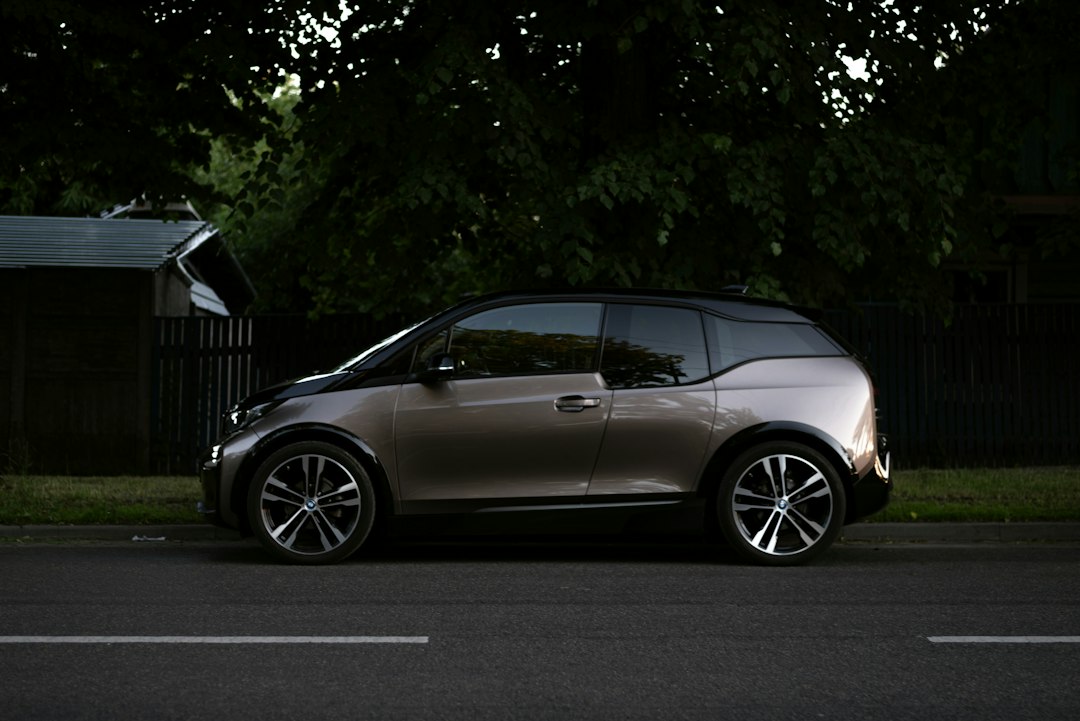
Range anxiety gets the headlines, but the checklist inside a typical EV buyer’s head is longer — and a lot more practical. Price per month, standard driver assistance, warranty length and, above all, an SUV body style are the levers that actually move a deal.
The SUV Has Won the Family Vote
Ask what shape a new electric car should take and the answer lands in the same place. SUVs dominate because they are roomy, comfortable, easy to load and — crucially — most now ride on car-like unibody platforms rather than truck-based frames. The result is a vehicle that handles like a sedan with a slightly raised view of the road ahead. Pickups, sedans and hatchbacks still matter, just not as the default pick.
The Monthly Payment Is the Real Negotiation
Buyers occasionally forget this part; lenders never do. Stretching a loan to seven years can trim the monthly figure, but there’s a point shoppers refuse to cross. Most will trade a want or two for a price that fits, choosing a model with the right look and enough equipment rather than the fully loaded version. Business buyers chasing tax write-offs are the exception, not the rule.
Style is close to non-negotiable. Efficiency, oddly, is less so — every EV is efficient, and MPGe figures are useful for comparison more than for sealing a decision. What buyers do examine closely:
- Cabin quality: room for five, materials that feel right, controls that don’t require a manual
- Driver assistance: automatic front and rear emergency braking, blind spot warning, lane-keeping, parking sensors, adaptive cruise
- Package math: what’s standard versus what sits in an uplevel trim, and what that does to the sticker
Range and Charging: The Hard Numbers
Gone are the days when 80 to 100 miles counted as an electric car. Today’s shoppers treat 200 miles as a floor, and plenty of models clear it comfortably. The irony is that the average driver covers under 40 miles a day, so most of that capacity sits in reserve.
The charging reality: Many current EVs reach 80 percent state of charge at a public DC fast charger in roughly 30 to 40 minutes.
A charging plan matters as much as the car. A home unit in the garage or carport is the simplest answer. Apartment dwellers should check with building management about shared chargers, and pushing an employer to install them is rarely wasted effort. Anyone relying on public infrastructure needs to map fast-charge sites along their regular routes and confirm compatibility.
Plugs, Connectors and the NACS Shift
CCS, CHAdeMO and Tesla’s NACS remain in circulation, and the market is clearly tilting toward NACS ports on new models, with adaptor cables bridging the gap to other networks. Some new EVs go further, fitting dual charge ports so nearly any station works without an adaptor.
Warranty as a Confidence Booster
Battery fears still linger for first-time buyers, though the evidence increasingly argues the other way. Multiple studies now suggest EV batteries outlast expectations and will likely serve longer than the cars they power.
Even so, every new electric model carries at least an 8-year/100,000-mile battery warranty, with a few brands stretching to 10 years. Bumper-to-bumper coverage typically runs 3 years/36,000 miles, backed by a separate powertrain guarantee — ask what each one covers on an EV, because the electronics and drive components aren’t the same as a combustion car’s.
A Short Version of the Checklist
- Body: SUV first, almost everything else second
- Budget: payment tolerance beats sticker price
- Safety tech: included, not optional
- Range: 200 miles minimum, more is easier living
- Charging: home first, public fast charging planned
- Warranty: battery coverage above all
None of these factors decides a purchase alone. Together, they explain why some electric models sell briskly and others sit on the lot — and why the smartest shoppers bring the same list every time.
Photo: Vitali Adutskevich on Unsplash (Unsplash License)
Source: Green Car Journal
What do you think?