
California Tightens Robotaxi Rules as AV Companies Face New Accountability
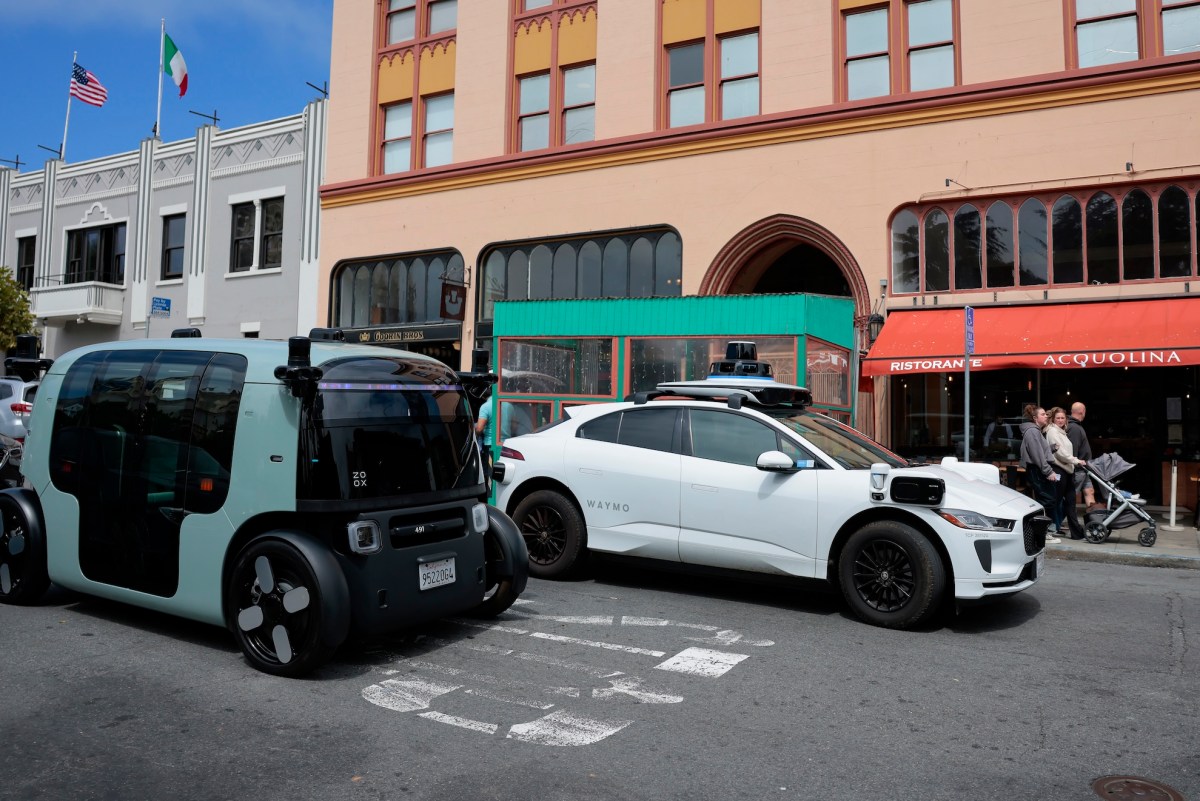
California is stepping up oversight of autonomous vehicles with a new law that puts robotaxi operators on the hook when their cars interfere with emergency responders. Governor Gavin Newsom signed Senate Bill 1246 this week, establishing a set of requirements aimed at improving safety and response times when AVs become disabled or block the path of police and firefighters.
Under the legislation, companies like Tesla, Waymo, and Zoox will need to provide on-the-ground support to first responders whenever their robotaxis cause problems. If a robotaxi blocks emergency personnel for more than 30 minutes, the operator could face penalties. The law also mandates that remote drivers be based in the United States and hold a U.S. driver’s license. Additionally, AV developers must notify local jurisdictions about vehicle locations and statuses during system-wide failures, and they are required to supply “local incident technicians” who can assist with accidents and obstructions.
The law arrives as robotaxis become an increasingly common sight in San Francisco, where Waymo vehicles are a daily presence. While these services have largely operated without major disruption, there have been numerous reports of robotaxis impeding traffic, driving into crime scenes, and interfering with first responders — sometimes forcing emergency crews to move the vehicles themselves. The new rules attempt to get ahead of the problem before the next wave of robotaxis hits the streets.
Some details still need to be worked out by the Department of Motor Vehicles, which regulates autonomous vehicles in the state. The law doesn’t take effect until July 2028, leaving a window for further refinement. Whether it will actually keep robotaxis clear of emergency scenes remains uncertain, but it represents a step toward reducing chaos and raising accountability when incidents occur. The broader question is whether other states will follow California’s lead or wait for federal guidance.
In other transportation news, EV startup Harbinger secured a 30 billion in fresh credit lines to scale future products including the Optimus robot and Cybercab robotaxi.
What do you think?