
Tesla Pushes Robotaxi Hours to 11 PM as Musk Flags Nighttime Pet-Detection Hurdle
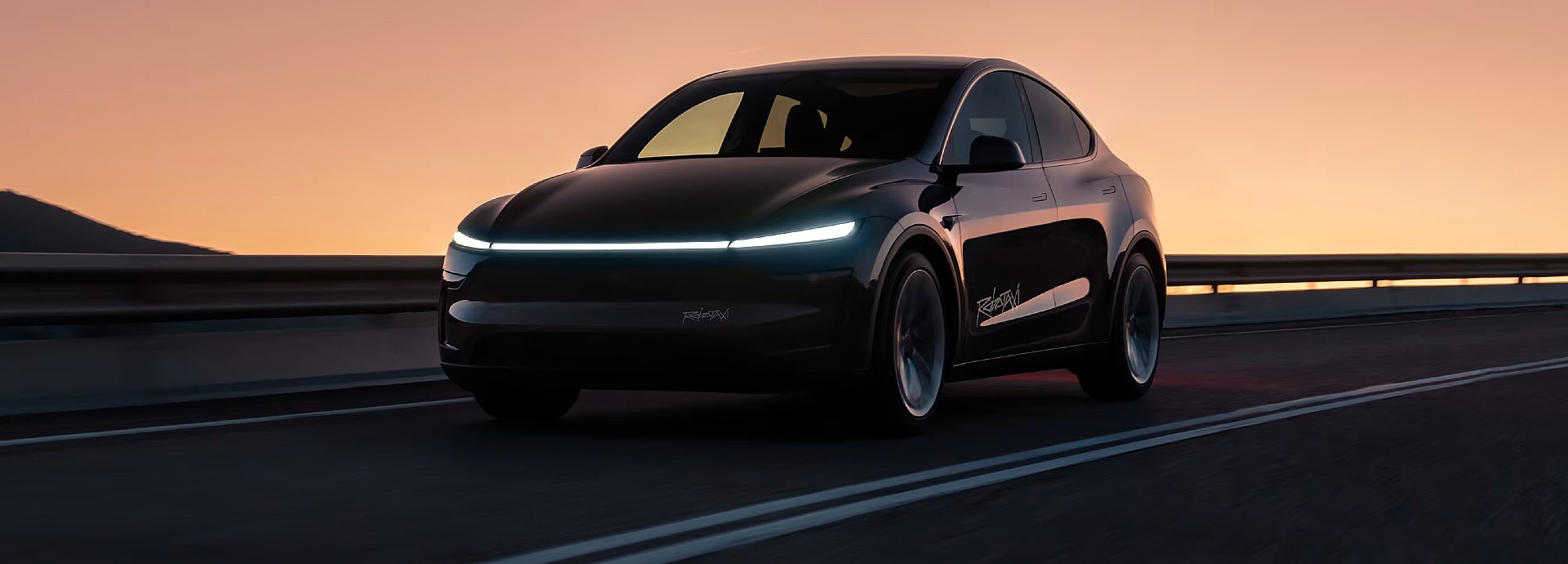
Tesla has nudged the operating window of its Robotaxi ride-hailing service one hour later, with vehicles now running until 11 p.m. rather than the previous 10 p.m. cutoff. The change is small on paper, but it marks a modest reversal for a service that has spent the past year steadily trimming its hours instead of adding them.
CEO Elon Musk offered an unusual explanation for why the expansion has been so cautious. According to him, the central engineering problem is making certain the cars do not strike small animals after dark. He described the challenge as avoiding “grey kittens on grey tarmac in the dark” — a low-contrast scenario in which a small, light-colored animal can visually disappear against the road surface when lighting is poor. That framing points to a perception problem rather than a mechanical one, and it lands directly on Tesla’s camera-first approach. The company relies on cameras paired with neural-network processing instead of lidar, an architecture Musk has long defended on the grounds that vision software can pull usable detail from dim scenes. The pet-detection edge case, however, remains the stated reason the service cannot simply run all night.
The current schedule is also a step back from where Robotaxi began. Paid rides launched in Austin on June 22, 2025 with cars available from 6 a.m. to midnight. In September 2025 Tesla stretched the day to a 2 a.m. close, creating a 20-hour window that largely held through the following year. By early August the cutoff had already been pulled in, and an August 26 update standardized 6 a.m. to 10 p.m. hours across Austin and several other markets. The October adjustment therefore leaves Austin operating three hours short of its 2025 peak and one hour below the original launch window.
Alongside the schedule tweak, Tesla’s purpose-built Cybercab fleet is growing quickly. Registration data tracked by observers in Texas showed the Austin Cybercab count climbing to 169 vehicles, including more than 100 added within a short stretch. The company has linked a fuller push toward round-the-clock service to an upcoming FSD v15 software release expected on Robotaxi vehicles this month. Until that capability is proven against the edge cases Musk described, Tesla appears content to extend service time gradually rather than leap straight into overnight coverage.
For Austin riders, the practical effect is a later option for evening trips while the underlying detection work continues.
What do you think?