
Tesla's Robotaxi Charging Playbook: One Employee, Ten Cars, Zero Drivers
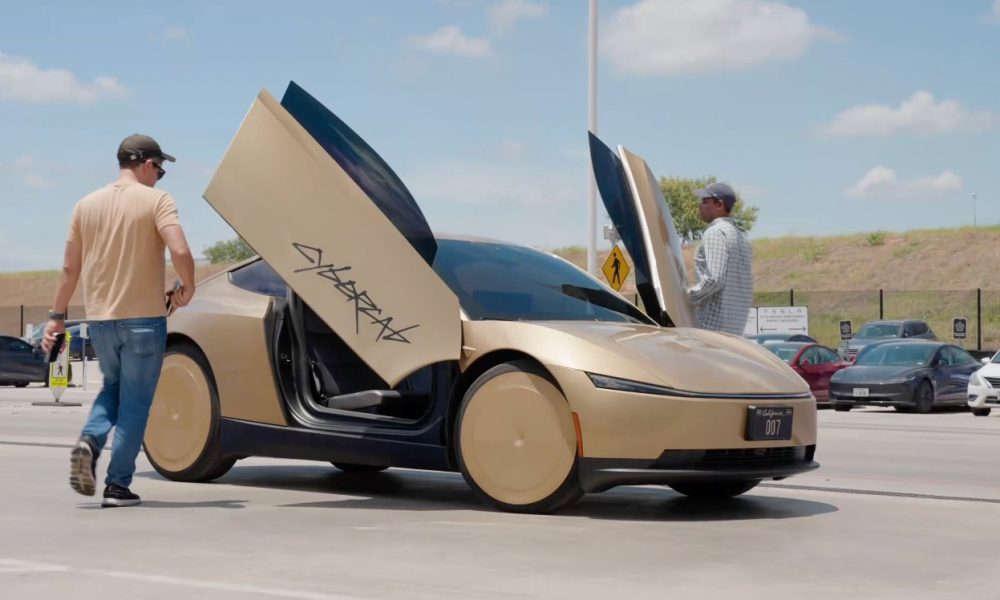
Tesla’s Robotaxi fleet in Austin keeps finding ways to surprise observers, and the latest surprise has nothing to do with software. A bystander at a Supercharger station watched ten Robotaxis roll in unattended — a single Cybercab joined by nine Model Y crossovers — before a lone Tesla staffer walked the lot, plugged each vehicle in by hand, and nudged a few into better position so the cables would reach. Every arriving car was empty. No driver, no remote operator, just one worker managing an entire charging cycle for a fleet of autonomous vehicles.
It’s a strikingly low-tech solution for a company that has spent years pitching itself as a robotics and AI leader, but the timing explains a lot. Tesla’s paid Robotaxi service only launched in mid-2025, and the purpose-built Cybercab didn’t join the fleet until early September of this year. Tesla has also been developing a wireless charging system for the Cybercab — a related patent surfaced just last week — but that hardware isn’t ready for daily fleet duty yet. In the meantime, someone has to connect the cables, and that someone is currently a human employee.
For longtime Tesla watchers, the scene carries echoes of the company’s early manufacturing years, when engineers improvised under tents and executives talked openly about sleeping on factory floors to keep production alive. That improvisational streak never really disappeared; it just migrated from the assembly line to the charging lot. A practical, unglamorous workaround that keeps vehicles earning revenue beats an elegant solution that isn’t finished yet, especially when the alternative is grounding the fleet.
The manual approach likely won’t last long. Wireless charging is the obvious endgame for a vehicle with no steering wheel or pedals, and Tesla has already secured regulatory clearance for a wireless Cybercab charging setup. Scaling a ride-hailing network with one person plugging in cars works at ten vehicles; it becomes a bottleneck at hundreds. Texas registration data shows the Austin Cybercab count climbing sharply in recent weeks, which suggests Tesla will need automation sooner rather than later.
For now, the strategy offers a candid look at how autonomous vehicle fleets actually operate behind the scenes — less science fiction, more logistics. The software may be self-driving, but the charging infrastructure still runs on a person with a cable and a willingness to climb in and out of parked cars all day.
What do you think?