
Brussels Delays Key Vote on 2035 Combustion Engine Rules
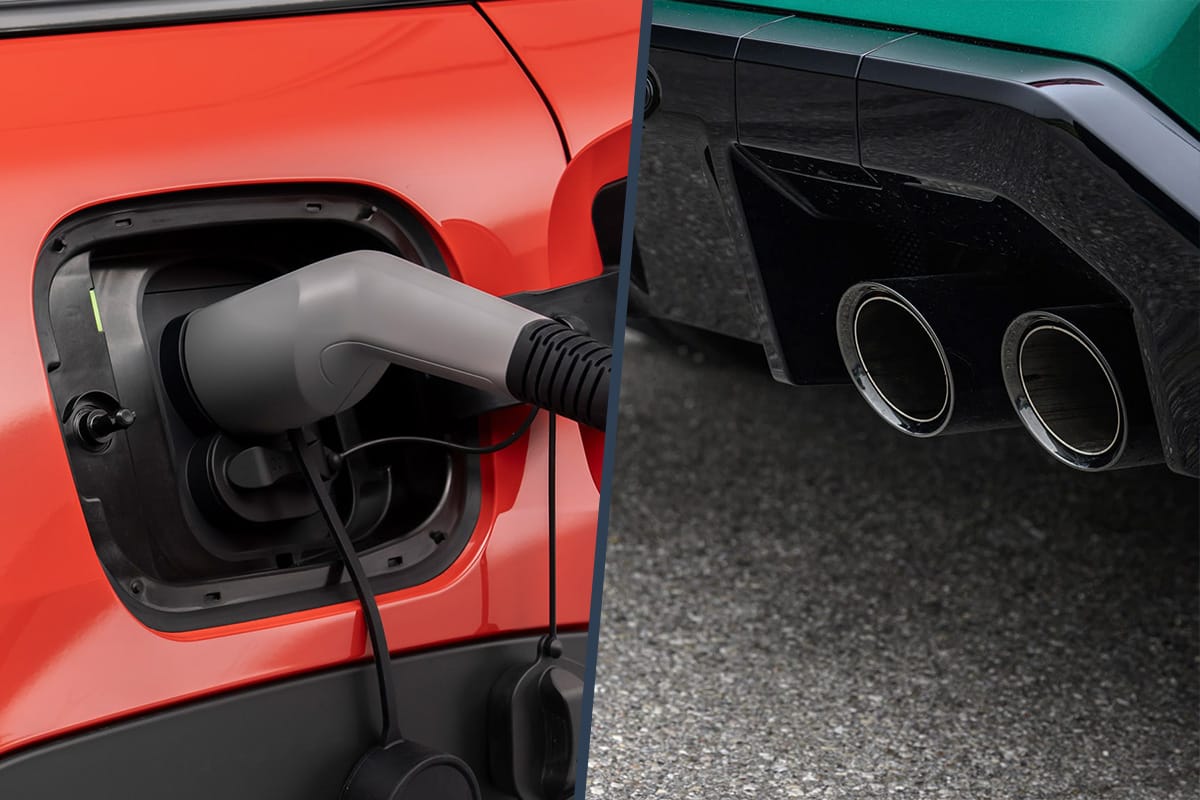
The European Parliament’s Transport Committee has pushed back its planned vote on the Commission’s ‘Auto Package’, the proposal that would soften the EU’s hard 2035 zero-emission requirement. The ballot was pencilled in for 5 October but has slipped by roughly two weeks, according to parliamentary sources, with the full plenary vote now pencilled in for November. Negotiators within the centrist bloc apparently still need time to find common ground before the text reaches the floor.
The Commission drafted the package in late 2025, arguing that an outright ban on new combustion-engine cars would deepen the crisis facing Europe’s carmakers. Instead of a 100 per cent cut, the proposal targets a 90 per cent reduction in average fleet CO₂ against 2021 levels — roughly 11 g/km rather than zero — and leaves the timing of any full phase-out unspecified. Under that scenario, Brussels expects internal combustion models to still account for somewhere between 27 and 29 per cent of new registrations after 2035.
The relaxation comes with strings attached. Manufacturers selling ICE cars, plug-in hybrids or range extenders beyond 2035 would have to offset those emissions through a credit system, for instance by using EU-produced green steel or climate-neutral fuels such as biofuels and e-fuels. Small electric cars get a boost too: models under 4.20 metres would be weighted more heavily in fleet calculations, so a single subcompact EV could count as 1.3 vehicles. The 2030 interim target would also be smoothed out into a 2030–2032 window, and the van segment’s 2030 goal trimmed from 50 to 40 per cent.
Passage requires a simple majority in Parliament and a qualified majority in the Council — at least 15 member states covering 65 per cent of the EU population. Germany and six other countries with modest EV uptake have lobbied for looser targets, while Spain, France, Denmark and Belgium want to keep the pressure on electrification. A separate €1.5 billion ‘Battery Booster’ scheme is meant to speed up a fully EU-made battery supply chain, and light-touch changes to heavy-duty CO₂ rules would let truck makers bank credits earlier.
What do you think?