
BMW's New i3 Covers 753 Miles on a Single Charge, Sets Brand Record
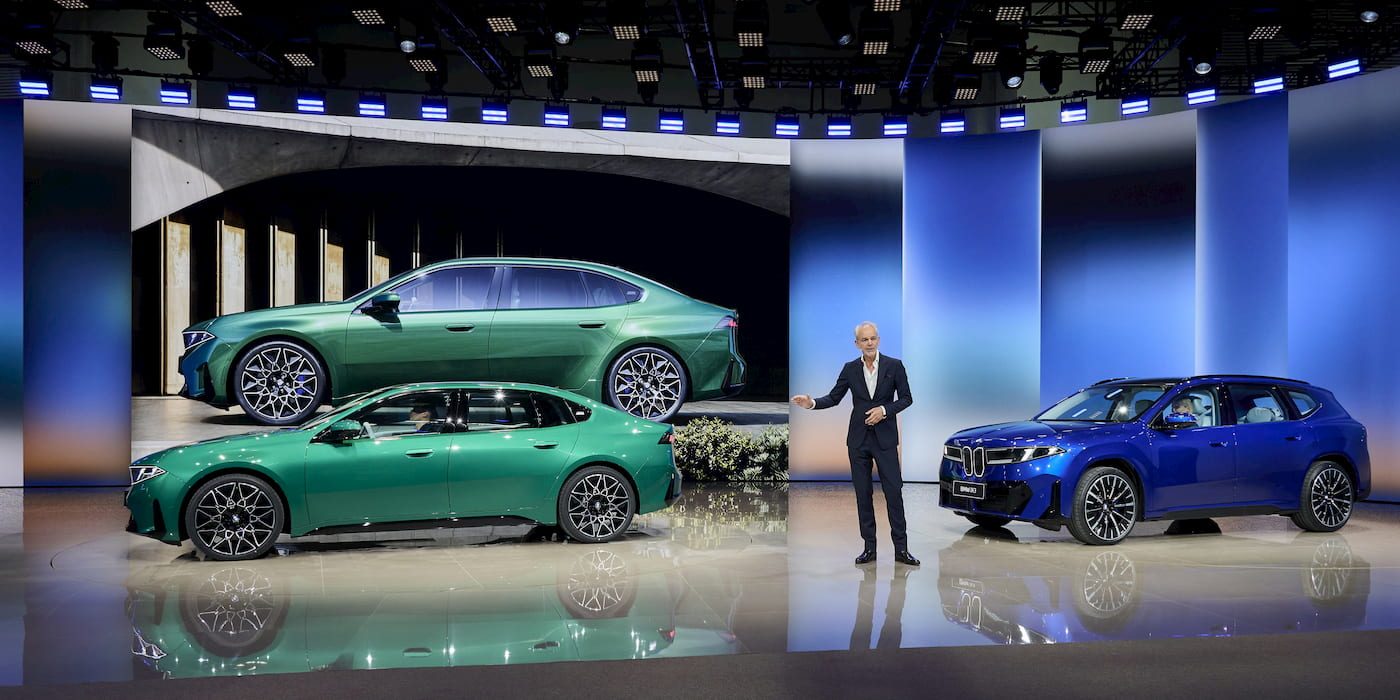
BMW has pushed its newest electric sedan well past the thousand-kilometer mark, using a marathon single-charge run to dramatize the capabilities of its sixth-generation battery technology. The long-wheelbase i3 50L traveled 1,213 km (753 miles) without plugging in — the furthest any BMW electric vehicle has gone on one charge, according to the company.
The demonstration coincided with the start of series production for BMW’s Gen6 batteries at its Shenyang plant on October 15, the third site worldwide to build the new cells. Those cylindrical batteries are destined for the Neue Klasse family and are central to BMW’s next phase of EV strategy.
Range figure — The i3 50L completed 1,213 km on a single charge across highway, urban and rural routes, with average consumption of just 8.8 kWh per 100 km. Battery specs — A 113.4 kWh pack delivers a CLTC-rated range exceeding 1,000 km, backed by an 800V architecture that can add roughly 400 km of range in ten minutes at up to 400 kW. Cell improvements — BMW says the Gen6 cylindrical cells carry more than 20% higher energy density, charge about 30% faster and extend range compared with the previous generation. Market positioning — The i3 50L, a long-wheelbase variant created for China and shown at the Chengdu Auto Show in August, is expected to launch later this year with deliveries starting in Q1 2027. US lineup — In America, the 2027 i3 is already on sale from $61,500 with up to 468 miles of EPA range, while the iX3 50 xDrive starts at the same price with a 434-mile estimate.
The run gives BMW a headline number to compete with in the efficiency race, edging past the 1,202 km achieved by the Mercedes Vision EQXX in 2022 — though BMW is careful to frame the result as an internal record rather than a global one. Earlier this year, an iX3 50L prototype covered about 800 km around Qinghai Lake at 12.6 kWh per 100 km, suggesting the company is deliberately building a body of real-world efficiency evidence around Gen6.
For buyers, the more consequential story may be the charging architecture rather than the record itself. An 800V system capable of absorbing 400 kW turns long-distance travel into a far less disruptive affair, and BMW’s production ramp in Shenyang signals that the technology is moving from showcase to showroom. With the i3 50L arriving in China first and US customers already able to order the 2027 i3, the question now shifts to whether these efficiency gains hold up in everyday driving — and whether rivals can match them.
Source: Electrek
Curious how this compares to other EVs? Try our comparison tool →What do you think?