
BMW's 2027 i7 60 xDrive Gets a Bigger Battery and Neue Klasse Brains
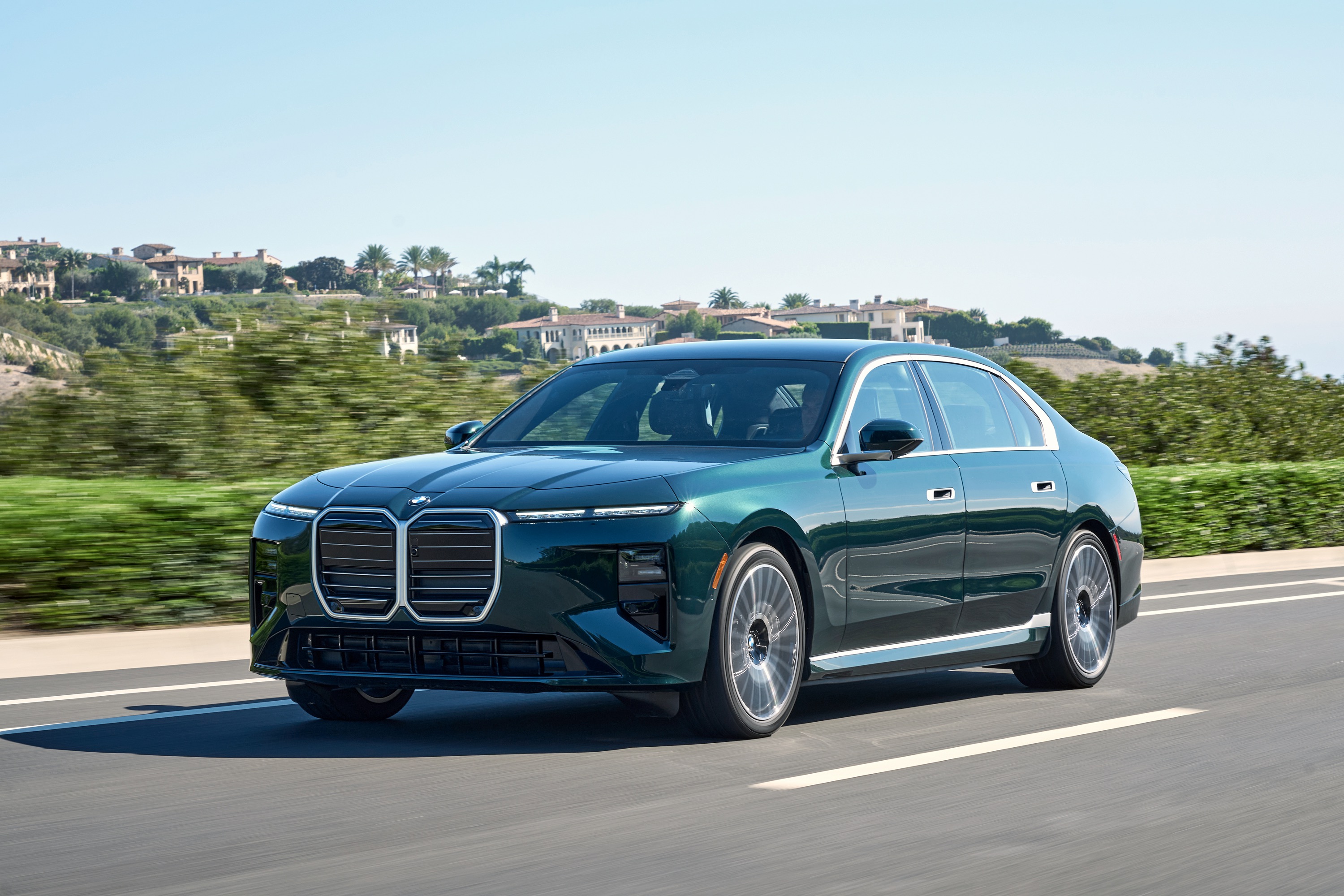
BMW hasn’t reinvented the 7 Series for 2027. Instead, the flagship sedan quietly inherits the hardware that debuted on the Neue Klasse family — a more energy-dense battery and a much smarter electrical architecture — and the result is a meaningfully better electric limousine.
When the current 7 Series arrived in 2022, BMW made a deliberate choice: rather than spinning off a separate electric model the way Mercedes did with the EQS, it simply offered the i7 as a powertrain option alongside the V8. Only the badging and the missing exhaust tips give the EV away. That approach still holds, but what sits underneath has changed.
From Prismatic to Cylindrical
The headline change is the battery. BMW has moved away from prismatic cells toward cylindrical cells arranged for higher energy density — the same sixth-generation pack philosophy designed for the Neue Klasse lineup. The drive units remain electrically excited synchronous motors, but they now use silicon carbide inverters and tighter packaging.
Key Specs: Sixth-generation cylindrical-cell battery · Silicon carbide inverters · Electrically excited synchronous motors · Fewer, faster domain controllers
That combination should translate into more usable range and quicker charging without altering the i7’s character. BMW hasn’t handed over final EPA figures yet, so treat any range claims with a little patience until the official numbers land.
Fewer Computers, More Capability
The bigger story for drivers may be the electronics. BMW has thrown out dozens of discrete single-function control units in favor of a handful of powerful domain controllers. Those computers absorb the old jobs but process far faster — which means more room for chassis control, powertrain efficiency and, crucially, over-the-air updates that don’t require a dealer visit.
- Battery: cylindrical cells replace prismatic packs for better energy density
- Motors: electrically excited synchronous units, now with silicon carbide inverters
- Computing: consolidated domain controllers replace dozens of single-function ECUs
- Updates: faster processing opens the door to more capable OTA improvements
The Same 7 Series, Underneath It All
None of this changes the i7’s role. It remains a large luxury sedan in a segment that keeps shrinking, competing with the Mercedes EQS and a growing crowd of electric flagships from newer brands. BMW’s bet is that buyers who want a 7 Series want the choice of powertrain, not a separate electric sub-brand.
And yet the hardware swap matters. A bigger, denser battery and a leaner computing backbone are exactly the kind of mid-life upgrades that keep a flagship relevant — not a redesign, just the right parts arriving from the newer cars in the lineup.
BMW has not published full pricing or range details for the 2027 i7 60 xDrive yet. What’s clear is the direction: the company’s newest electric tech is no longer reserved for the Neue Klasse. It’s flowing into the cars that already sit at the top of the range.
Photo: BMW / Ars Technica - Cars · Official Press Kit / Editorial (Editorial / Press Kit)
Source: Ars Technica - Cars
Curious how this compares to other EVs? Try our comparison tool →What do you think?