
America's EV Market Lost the $7,500 Credit and Kept Standing
The $7,500 federal EV tax credit died on September 30, 2025. What followed was ugly but brief: EV retail share crashed from over 14 percent in the final month of the subsidy to 5 percent two months later, a level last seen in 2022. And then something the doom prophets didn’t forecast happened — the floor held.
By December, electric share had climbed back above 6 percent, and September 2026 closed at 7.9 percent. JD Power data chief Tyson Jominy sums it up as a two-year rollback in market share. Painful? Sure. A collapse? Not close.
Dealers Stopped Staring at Parked Cars
The inventory data tells the same story in a different language. According to Cars.com, the average EV sat on a lot for 115.6 days in March; by September that had slipped to 89.4 days. During the subsidy rush the year before, the figure was 80.5 days. Cars.com editor-in-chief Jenni Newman reads the trend as supply and demand finally shaking hands.
Tesla Held the Line — and the Others Retreated
Cox Automotive counted roughly 262,000 US EV sales between Q2 and Q3 2026, a 6.1 percent gain and the best quarter since the credit vanished. Remove Tesla from the math and the market actually shrank a touch.
That says plenty, because Tesla wasn’t thriving either. Its US sales fell 19.7 percent year over year in Q3 — but the rest of the market dropped nearly 40 percent, so Tesla’s slice of the pie climbed back above half.
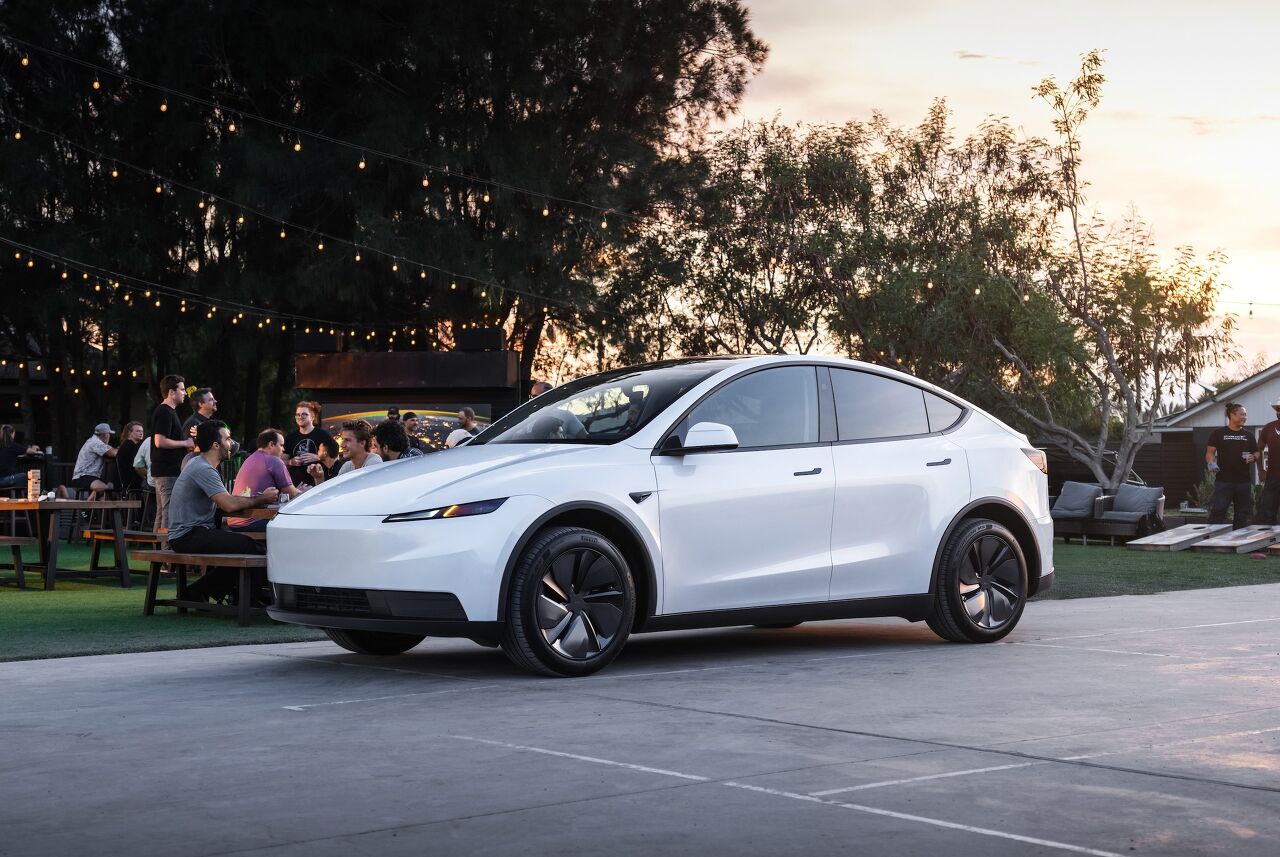
Mobility Global’s Tom Libby points to repeat buyers: about half of Model Y owners trade into another Model Y, against a 26 percent industry norm for model-level loyalty. When your customers come back regardless of what Washington does, policy shocks sting less.
Rivian gets the second nod. The new R2 — pitched as the company’s first genuinely mainstream product and a proper Model Y challenger — pushed deliveries up sharply. Toyota, meanwhile, quietly grew its EV volumes as fresh models arrived, making it the standout among the old guard.
The structural lesson: An EV-only brand has no gasoline lineup to fall back on. Legacy automakers do — and since the credit ended they have shelved or delayed roughly two dozen electric models, among them the Ford F-150 Lightning, Volkswagen ID.4 and Honda Prologue.
Libby’s read is refreshingly blunt: manufacturers exist to make money, not cars, so trimming EVs when the rules loosen is simply arithmetic. Hyundai CEO José Muñoz describes the same squeeze from the inside — the credit’s end forced automakers to self-fund incentives, surrender volume, or find some middle ground.
Two Quiet Tailwinds
The used market is doing the heavy lifting. Americans bought more than 47,000 used EVs in the latest reported month, up 21 percent year over year and the largest share of used-car sales EVs have ever recorded, per Cox Automotive. Supply helps: a growing wave of modern long-range EVs is coming off lease.
Fuel prices are the second, milder force. Expensive gasoline hasn’t moved the US needle the way it has elsewhere, but Muñoz tells of dealers who asked Hyundai to slow Ioniq 5 shipments — then reversed course once the war in Iran started. Industry watchers link part of the used-EV surge to $4-a-gallon gas.
What to Watch From Here
- Share stability: Does EV retail share hold in the high single digits without a subsidy propping it up?
- Tesla’s cushion: Can repeat-buyer loyalty keep the brand above half the US EV market?
- The R2 test: If Rivian’s mainstream bet works, legacy brands will have to explain their retreat.
The money is gone. The cars, mostly, aren’t. Subsidies pull demand forward and their exit yanks it back — but the floor underneath electric vehicles turned out firmer than the headlines ever admitted.
Photo: The Truth About Cars · Official Press Kit / Editorial (Editorial / Press Kit)
Source: The Truth About Cars
What do you think?