
China's AI Stock Balloon Loses Nearly $500 Billion in Four Months
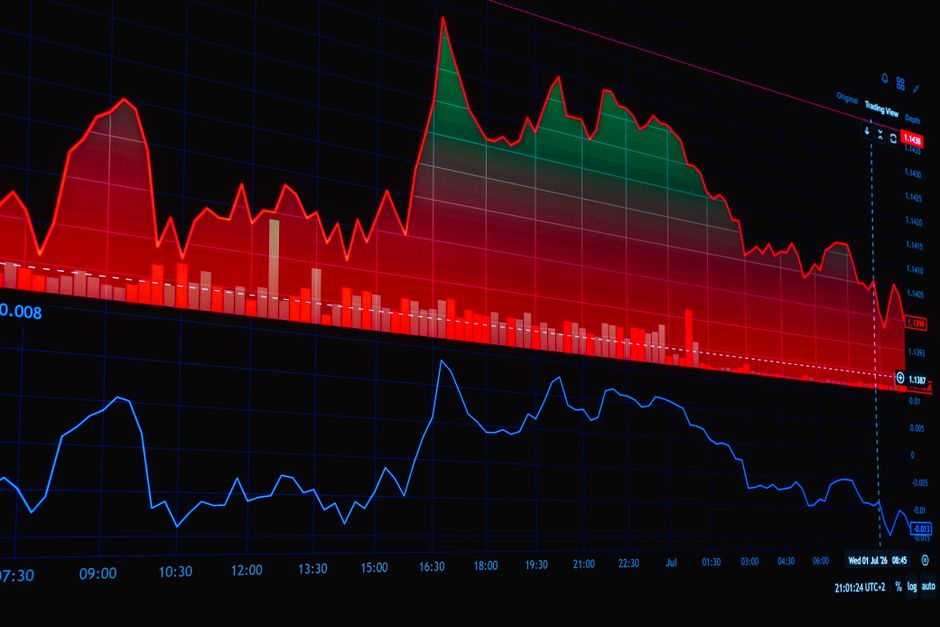
The AI trade in China just took a beating that would make any bull market veteran wince. Over roughly four months, the STAR50 index — the Shanghai benchmark tracking AI and semiconductor names — fell 40%, erasing about $480 billion in market value along the way. That’s not a rounding error. It’s a full-blown deflation of a balloon that had been blown up on hype.
Word of the slump came via Reuters reporting, and it lands at an awkward moment for anyone who assumed the AI rally was a one-way street. Beijing fund manager Dong Baozhen put it bluntly to the news agency: the market had turned into a speculative frenzy, and now the air is coming out.
The Same Story, a Different Market
If this sounds familiar, it should. For much of the past year the AI bubble conversation has been dominated by Wall Street, where software firms carry enormous valuations despite showing little in the way of actual profit — or even a credible route to it.
China, it turns out, ran a parallel playbook. Hype fed valuations, valuations fed more hype, and the warnings from skeptics were drowned out until they weren’t.
The difference is that in the US the balloon still looks inflated. In China, the pin has already gone in.
Robots and Chips Caught in the Same Draft
The past couple of years have blurred the line between AI software and the hardware and robotics companies riding its coattails. The Chinese selloff is dragging both down.
- Unitree: the high-profile Chinese robotics firm has seen its share price cut in half since its heavily promoted IPO in August.
- CXMT: the chipmaker has shed more than a quarter of its value in the space of a month.
- STAR50: down 40% over four months, wiping out roughly $480 billion.
That Unitree and CXMT are moving in the same direction as the broader index isn’t a coincidence. Investors who bought the robotics narrative were, in effect, buying the AI narrative — and when conviction wobbles, both unwind together.
Where This Leaves the Electric Vehicle Crowd
Automakers and battery players have been leaning hard into AI messaging of late, from autonomy claims to manufacturing efficiency pitches. A deflating AI trade in the world’s largest EV market is a useful reality check for anyone pricing future technology into today’s share price.
Whether the US follows China’s path is the open question. Nobody has answered it yet — and the people who claim to know are usually the ones most exposed.
Photo: Rafael Minguet Delgado · Pexels (Pexels License)
Source: CleanTechnica
What do you think?