
Honda Still Rules Vietnam's Motorcycle Market, But Electric Bikes Are Eating Its Share
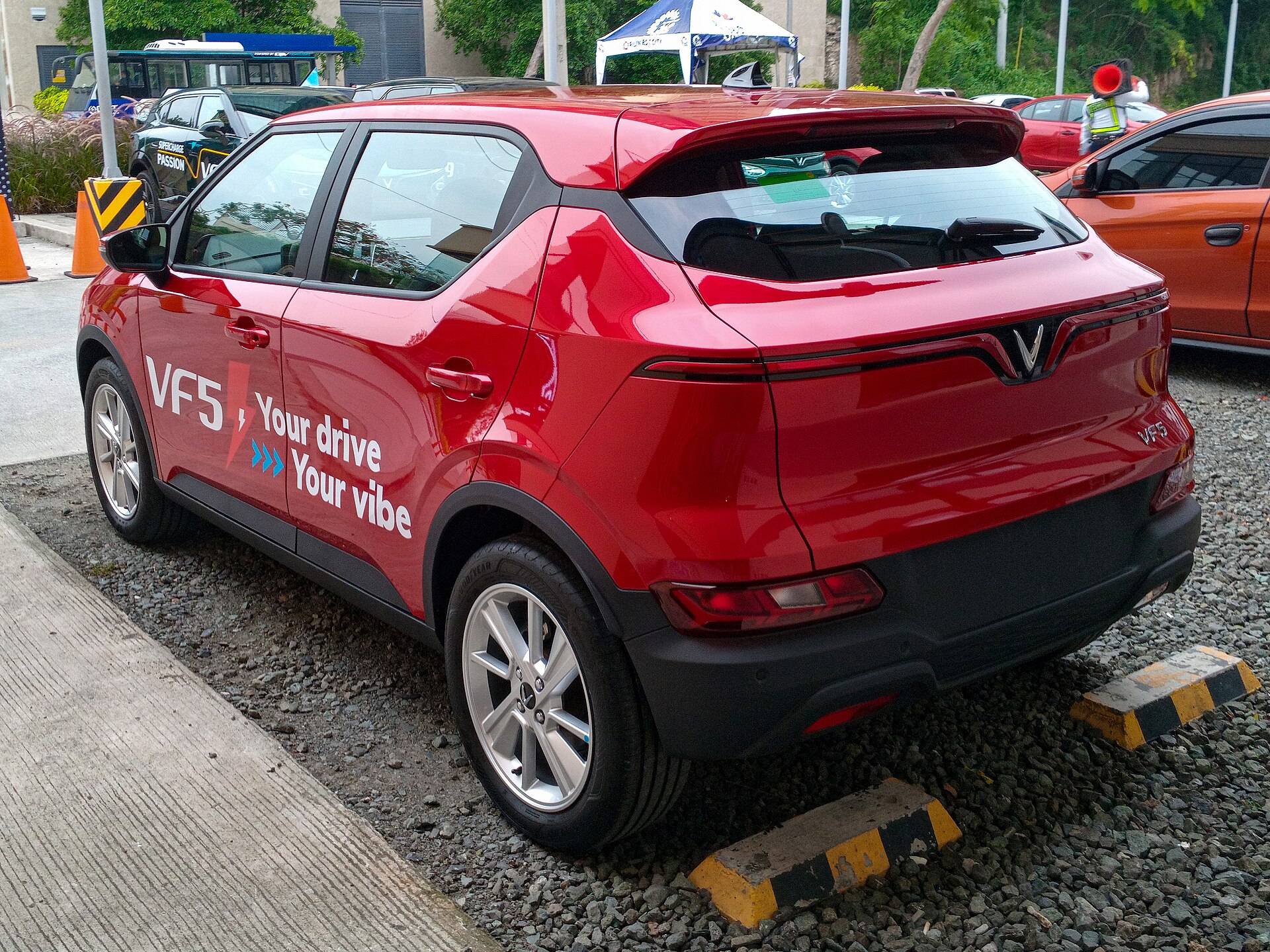
Honda remains the biggest name in Vietnamese two-wheelers, yet the ground under it is moving fast. New nationwide registration figures show electric motorcycles and scooters are no longer a niche curiosity there — they are grabbing close to a third of the market.
During the first nine months of 2026, Vietnam recorded over 3 million motorcycle and scooter sales, a 25.9% jump on the same stretch last year. The electric slice of that pie grew far quicker: 973,247 units, up 90.5%, which works out to roughly 32% of all new two-wheelers sold in the country.
The winner of that surge isn’t Honda. It’s VinFast.
The Scoreboard Tells a Different Story
Honda is still Vietnam’s number-one motorcycle manufacturer, and its sales actually rose 8.4% this year. But VinFast has climbed into second place on explosive growth — a 152.1% leap. Yamaha sits third and Chinese electric brand Yadea is fourth.
Look closely at that top four and half of it is electric. Those are also the only two names posting the kind of numbers that reshape a market.
- Honda: market leader, sales up 8.4%, share shrinking
- VinFast: second place, sales up 152.1%
- Yamaha: third, the other legacy Japanese holdover
- Yadea: fourth, an electric specialist
That’s a notable reshuffle for a country where Japanese petrol bikes have long been the default. Vietnam’s shift hasn’t happened in a vacuum, either.
Policy Is Doing Some of the Pushing
Government attempts to clean up urban air, including planned restrictions on petrol motorcycles in parts of Hanoi, have made electric alternatives a more practical bet for buyers. At the same time, VinFast keeps widening its scooter and motorcycle lineup, so riders finally have real choices rather than compromise purchases.
None of this means Honda is in trouble. Its volume is still growing, and it holds the crown by a wide margin. But the direction of travel is clear: the share it spent decades building is quietly eroding, and its growth is modest next to the electric segment’s runaway pace.
Vietnam is one market, not the whole picture. Still, it’s a useful preview of what happens once electric two-wheelers become genuinely mainstream instead of a novelty.
Honda spent decades perfecting the petrol motorcycle, and that expertise still pays the bills. The open question is how quickly the company can pivot toward the kind of machine more and more riders are now walking past the showroom to buy. For a company that built its reputation on two wheels and an engine, that’s an unfamiliar kind of pressure.
Photo: Ethan Llamas · Wikimedia Commons (CC BY-SA 4.0)
Source: Electrek
What do you think?