
A Year After the EV Tax Credit Died, the Market Found Its Floor
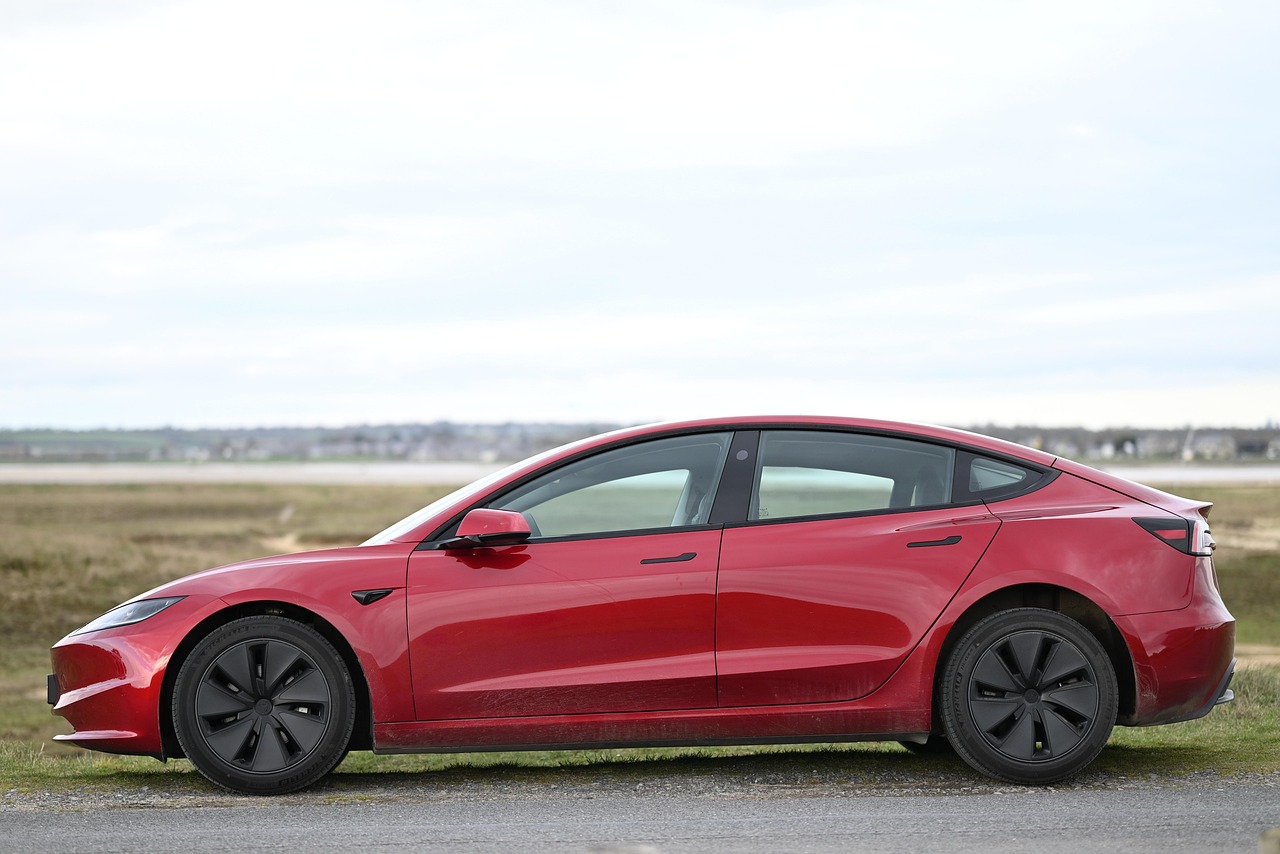
The $7,500 federal EV tax credit expired on September 30, 2025, and the months that followed looked like a cliff. Retail electric share hit a record 14% that September as buyers rushed the door, then collapsed to 7.1% in October and bottomed out at 5% in November — a level the U.S. hadn’t seen since 2022.
A year on, the picture is far less grim than that autumn suggested. The market hit bottom fast and has been clawing its way back since.
The Floor Came Quicker Than Anyone Expected
By December, electric share of retail sales had recovered past 6%, and by May it was above 8%. JD Power’s latest read puts it at 7.9% for September. That’s roughly a two-year step backward, not a lost decade.
“Sales certainly fell as expected, but we kind of hit the floor quickly,” JD Power data chief Tyson Jominy put it.
Other gauges point the same direction. Days-to-turn for EVs fell every month from April through September, landing at 89.4 days in September against 115.6 in March — close to the 80.5 days logged during the credit-era buying spree, according to Cars.com figures.
Gas prices are nudging things along at the margins. Hyundai CEO José Muñoz said dealers who had been begging the company to slow Ioniq 5 shipments abruptly asked for more once the war in Iran pushed fuel costs higher.
“All of a sudden, you either add the incentive, or you lose sales, or you do something in between.” — Hyundai CEO José Muñoz
Tesla and Rivian Are Doing the Heavy Lifting
The recovery isn’t shared equally. U.S. EV sales climbed 6.1% between Q2 and Q3 to about 262,000 units — the strongest quarter since the credit ended, per Cox Automotive. Strip Tesla out and the market actually shrank a little.
Yet Tesla looks stronger, not weaker. Its Q3 volume dropped 19.7% year over year while the overall market fell nearly 40%, which pushed Tesla’s share of American EV sales back above 50%. Owner loyalty helps: around half of Model Y buyers stay with the model, against a 26% model-level average across the industry.
Rivian, meanwhile, is riding the R2 — its first genuinely mainstream product and arguably the best Model Y challenger in years.
The split has a second cause. EV-only brands had no gasoline line to fall back on when Washington changed course. Legacy automakers have shelved or pushed back roughly two dozen electric models since last year, including the Ford F-150 Lightning, Volkswagen ID.4 and Honda Prologue. Toyota stands out as the exception, steadily growing EV volume as new models arrive.
Used EVs Are the Quiet Success Story
Secondhand demand tells a different story entirely. More than 47,000 used EVs moved last month, a 21% year-over-year gain and the segment’s largest-ever slice of the used market.
The inventory explains part of it. Buyers are no longer limited to short-range Chevy Bolts and Nissan Leafs; off-lease, long-range cars are now flowing onto dealer lots in volume. Used EVs turn in 41 days on average — about 12 fewer than combustion models — while their prices have risen close to 10% over the past year, per iSeeCars.
The Revolution Got Slower, Not Cancelled
Nobody in the industry thinks electrification is finished in America. They just expect it to take longer.
Charging is filling in: the U.S. passed 80,000 DC fast-charging ports last quarter, up from 70,000 at the end of 2025. And the pipeline is real — the Rivian R2, Ford’s $30,000 Fathom pickup, the Slate Truck and a wave of luxury EVs all land in the next few years.
The long game still favors electric, Jominy argues. Fewer parts and cheaper scaled production mean a manufacturer that can build a car 30% cheaper eventually can’t be ignored. “Once you can produce something 30% cheaper,” he said, “you really can’t just maintain the old way for very long.”
Photo: JACLOU-DL · Pixabay (Pixabay Content License)
Source: InsideEVs
What do you think?