
Zero DS Smashes Electric Motorcycle Range Record With 271-Mile Single-Charge Run
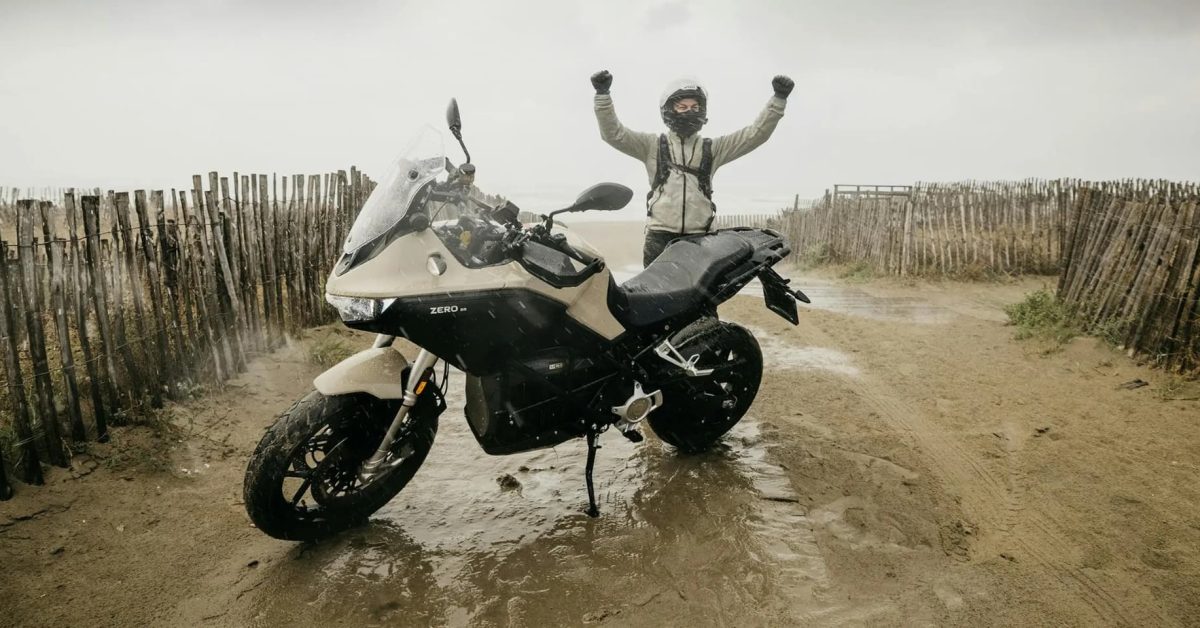
A production electric motorcycle has just rewritten the record books for single-charge distance, with Belgian rider Jelle Verstaen covering 436.5 km (271.2 miles) aboard a Zero DS before the battery finally gave out. The new Guinness World Records title more than doubles the margin of progress, obliterating the previous benchmark of 310.7 km (193 miles) by over 125 km (78 miles) — a jump of more than 40 percent.
Crucially, this was not a purpose-built aerodynamic streamliner chasing a number on a closed track. The bike was a standard Zero DS fitted with the company’s optional Power Tank, lifting total usable capacity to 19.2 kWh. Verstaen was not riding alone either: two companions on a Zero SR/S and a DSR/X managed 350 km (217 miles) and 384 km (239 miles) respectively, and both of those figures would have comfortably beaten the old record on their own.
The route began high in the French Alps and descended toward the Mediterranean coast, with Verstaen targeting an average cruising speed of roughly 52 km/h (32 mph). That modest pace was deliberate. Aerodynamic drag climbs steeply with velocity, so keeping speeds low is the single most effective way to stretch an electric motorcycle’s pack. The team also scheduled much of the run overnight to avoid daytime traffic, which made holding a steady, efficient pace far safer and easier as the terrain flattened out toward the sea.
The final stretch added a punishing twist: heavy rain soaked roughly the last 100 km (62 miles), turning an already gruelling overnight endurance effort into a wet, cold push to the finish. GPS tracking and independent witnesses were used throughout to satisfy Guinness verification requirements.
It is worth being clear about what this record does and does not prove. On one hand, moving a rider 271 miles on less than 20 kWh — less energy than many plug-in hybrids carry — is a striking demonstration of two-wheeled efficiency and a solid rebuttal to the persistent idea that electric motorcycles are inherently short-range machines. On the other, the run benefited from a significant net elevation loss and a cruising speed far below what most riders sustain on open highways. At typical highway speeds, drag would drain that same pack considerably faster. Records exist to map the outer limits of a machine under carefully tuned conditions, and Zero has just shown where that limit currently sits.
What do you think?