
Suzuki's First Dedicated EV Lands in Australia: Can the e Vitara Ultra Justify Its $59,000 Price Tag?
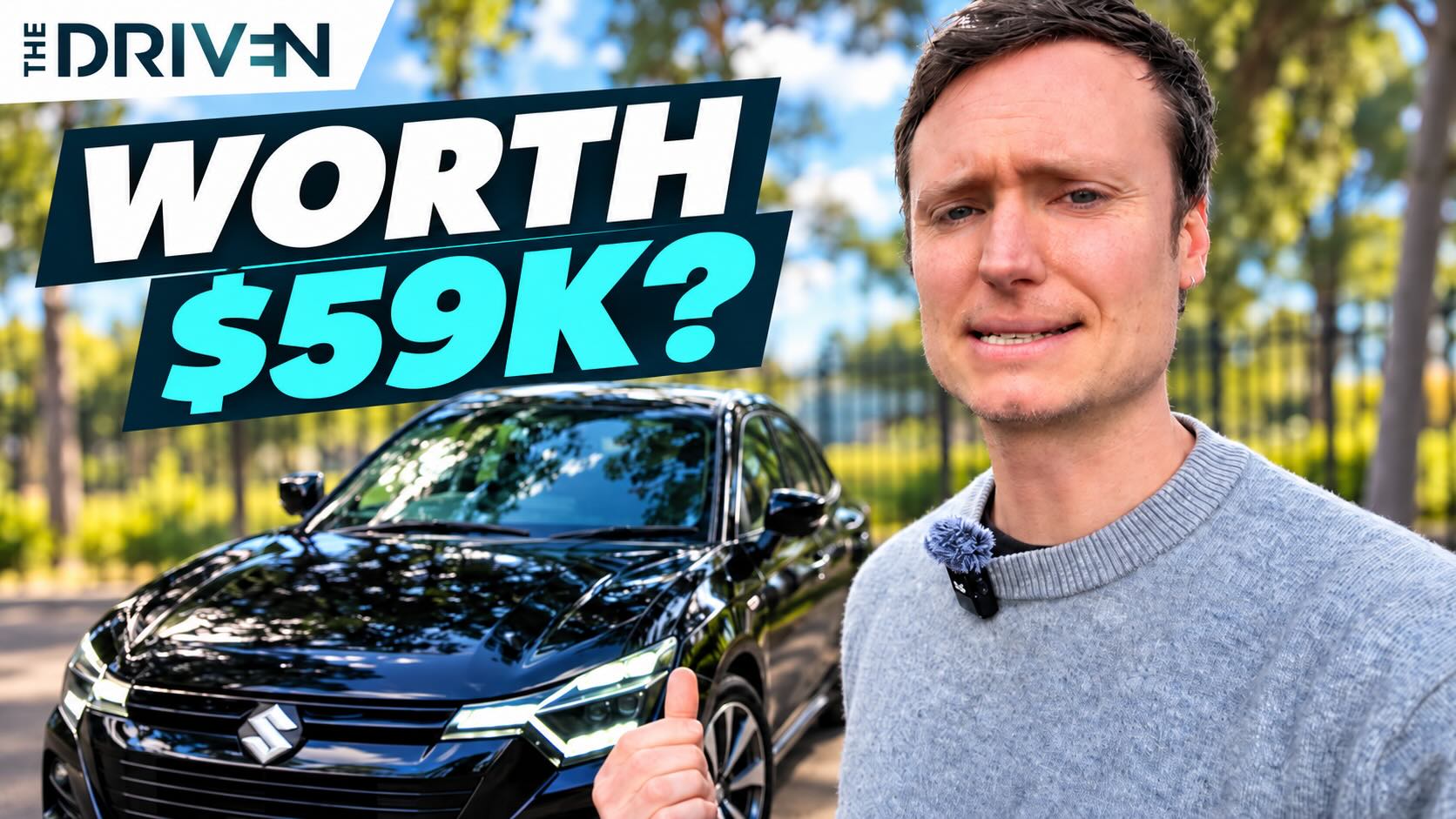
Suzuki has officially entered the dedicated battery electric vehicle arena with the e Vitara, and the Japanese brand is wasting no time testing the waters in one of the world’s most competitive EV markets. The flagship Ultra AWD variant has arrived in Australia carrying a drive-away price of $58,990, positioning it squarely against a growing wave of mid-size electric SUVs fighting for consumer attention Down Under.
Under the sheet metal, the e Vitara Ultra packs a 61 kWh lithium iron phosphate battery paired with dual AC synchronous motors producing a combined 135 kW and 307 Nm of torque. Suzuki’s AllGrip e-4WD system sends power to all four corners, enabling a 0-100 km/h sprint of 7.4 seconds. The claimed WLTP range sits at 395 kilometres, which falls just shy of the psychological 400 km barrier that many Australian buyers use as a benchmark. Charging capabilities include an 11 kW onboard AC charger with a Type 2 port, allowing a 10-100% top-up in roughly nine hours at 7 kW. On the DC side, the CCS2 connector supports a 10-80% charge in approximately 45 minutes.
The e Vitara rides on a purpose-built EV platform, measuring 4,275 mm long, 1,800 mm wide, and 1,635 mm tall, with a 2,700 mm wheelbase. It tips the scales at 1,860 kg and rolls on 18-inch alloys wrapped in 225/55 R18 rubber. Suspension duties are handled by MacPherson struts up front and a multi-link setup at the rear, with ventilated discs at both ends. Inside, there’s seating for five, and the rear bench offers 40:20:40 split-folding with sliding and reclining functionality. Notably absent from the spec sheet are a front trunk and vehicle-to-load capability, both features that some rivals now offer as standard.
Safety organisation ANCAP has awarded the e Vitara a four-star rating, which could give some family buyers pause when five-star scores are increasingly common in this segment. Braked towing capacity is rated at 750 kg, and Suzuki provides a tyre repair kit rather than a full-size spare. Drive modes include Eco, Normal, Sport, and Trail, hinting at some light off-road ambition.
The critical question remains whether Suzuki can convince Australian shoppers that the e Vitara Ultra delivers enough range, performance, and practicality to justify its near-$59,000 ask. With budget-friendly Chinese entrants and established mid-size electric SUVs crowding the market, the e Vitara’s success may hinge on whether Suzuki’s reputation for reliability and dealer network can offset its modest range figure and four-star safety rating. For now, the e Vitara represents a significant milestone as Suzuki’s first dedicated EV, but the market will ultimately decide if the brand’s electric gamble pays off.
What do you think?