
Why Your Hurricane Ram Idles at 2,000 RPM Cold — And the One Habit That Can Damage the Turbos
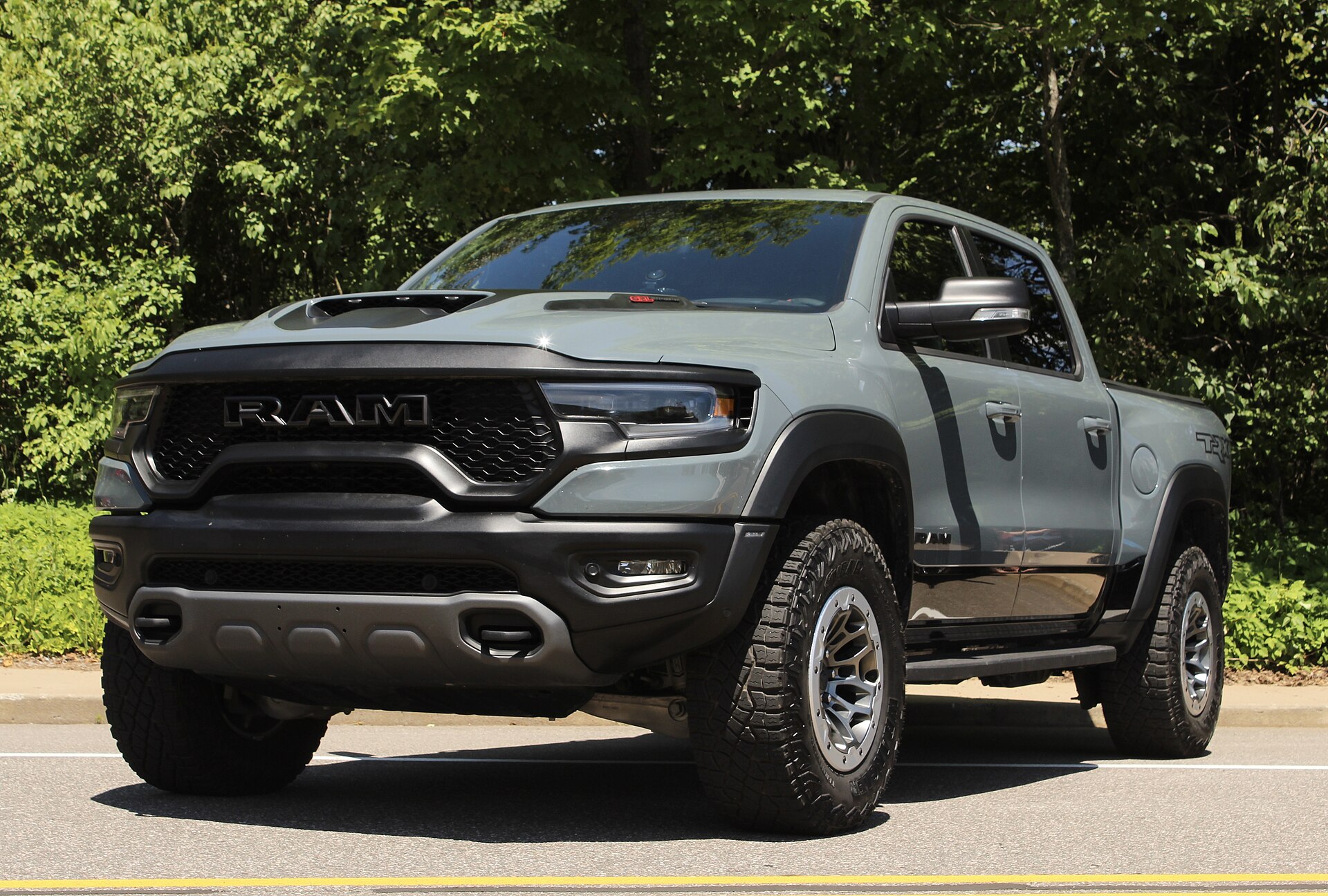
If your Ram 1500’s 3.0-liter Hurricane engine sits at roughly 1,500 to 2,000 rpm right after a cold start, don’t panic. That elevated idle is engineered behavior, designed to bring the catalytic converters up to operating temperature and warm the engine quickly. According to owner feedback, it typically drops back to a normal idle within one to five minutes, depending on how cold it is outside.
The question surfaced after a longtime HEMI owner rented a Hurricane-equipped Ram 1500 Longhorn and was caught off guard by the elevated cold idle. A reader who owned five HEMI Rams before switching to the Hurricane stepped in with a detailed explanation — and a warning every turbocharged owner should take seriously: avoid hard driving on a cold engine.
High idle is intentional — The twin-turbo Hurricane raises idle speed after a cold start because the catalytic converters only clean exhaust once hot. Turbochargers sitting in the exhaust path absorb some of that heat, so the warm-up phase lasts longer than on a naturally aspirated V8. What owners report as normal — Idle around 1,500–2,000 rpm at startup, settling within about 1–2 minutes in warm weather and up to roughly 5 minutes in cooler conditions. Once warm, idle drops to about 600–700 rpm. The warning signs to watch — A rough, shaky idle, misfires, a check engine light, or a high idle that never drops even when fully warm are not normal. One forum owner reported rough cold starts at around 3,500 miles that were resolved by a PCM software update (TSB 18-071-24) — ask your dealer whether a bulletin applies to your VIN. The habit that harms turbos — Hard cold runs. Turbochargers spin at very high speed and rely on steady, flowing oil; cold oil is thicker and slower to circulate, so heavy throttle and high boost in the first minutes stress the turbo bearings and seals. Skip the long driveway idle — Warming up by idling in place isn’t the answer. Government efficiency guidance notes that catalysts heat up far faster when the vehicle is actually being driven, so start it, let it settle briefly, then drive gently.
For drivers moving from a HEMI V8 to the Hurricane inline-six, the cold-start behavior is one of the most noticeable differences — and one of the easiest to misread as a fault. The elevated idle is a deliberate emissions strategy, not a defect, and understanding it helps owners avoid unnecessary dealer visits. Just as important is the driving habit that follows: gentle throttle until the temperature gauge climbs, and a short cool-down (or an easy final mile) after towing or hard driving on a hot day.
The bigger context is the ongoing Hurricane-versus-HEMI debate. The Hurricane arrived in the Ram 1500 for 2025 after debuting in the 2022 Jeep Wagoneer, so long-term durability data is still accumulating, even as some owners report strong mileage. Its smoother, more efficient character and extra output haven’t fully won over V8 loyalists — many still miss the rumble — but for those who made the switch, careful turbo stewardship is the price of admission.
Source: Torque News
What do you think?