
Missouri Driver Swaps Trusted 4Runner for a Tundra, Hoping Comfort Won't Cost Her Peace of Mind
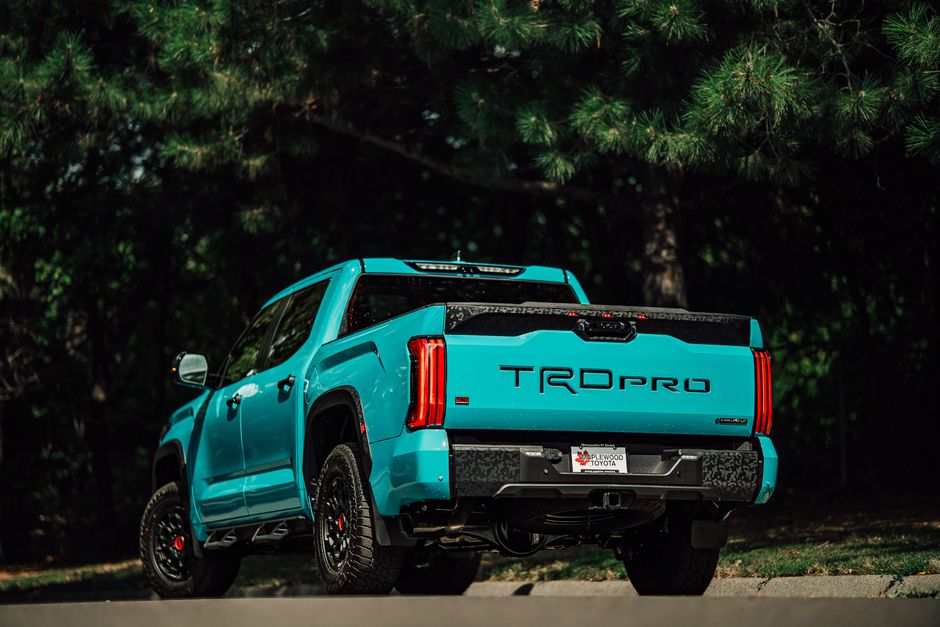
Debra Burns, who lives in Bunker, Missouri, has parted ways with her 2016 Toyota 4Runner and stepped into a new Tundra. The reason was simple and very human: the 4Runner’s seating wore her down on the long hauls she regularly makes to visit her sons in Kentucky and Delaware. Now she is asking the Toyota community a question that nags at plenty of new-truck buyers: will this Tundra hold up the way her 4Runner did?
She raised that concern in the 2023-2027 Toyota Tundra Owners group on Facebook, and the thread that followed captures just how split Toyota loyalists are over the third-generation truck. Some congratulated her, one member cautioned about seat comfort, and another confessed regret over letting his own 4Runner go.
The trade-in calculus — Comfort on marathon highway drives outweighed sentiment for Burns, whose route from southern Missouri to Delaware stretches toward 1,000 miles. A tough act to follow — Her 2016 model came from the fifth-generation 4Runner, built around a 4.0-liter V6 and a 5-speed automatic that owners associate with uncomplicated longevity. A different engine philosophy — The current 4Runner now shares its platform and turbocharged power with the Tundra, so a traditionalist buying new today ends up with a turbo anyway. The reliability question — Toyota recalled certain 2022-2024 Tundras with the non-hybrid 3.5-liter twin-turbo V6 over manufacturing debris that can restrict oil flow to the crankshaft, risking knocking or engine failure. Scope of the recalls — The 2024 action covered more than 100,000 Tundra and Lexus LX vehicles, while a second recall in late 2025 added roughly 127,000 more 2022-2024 Tundra, Lexus LX and 2024 Lexus GX units. Toyota says a bearing design change took effect in July 2024.
The anxiety Burns voiced is not idle. Toyota has shouldered the enormous job of replacing close to 100,000 Tundra engines at no cost to owners, and for trucks in the newer recall, dealers first run an inspection-software test on the main bearing and swap the engine when it cannot be cleared as sound. At least one owner gave up on the brand entirely, trading a 2024 Tundra for a Ford F-150 Tremor after the main bearing recalls eroded his confidence, which shows why her question lands with real weight.
Practical habits go a long way toward protecting a third-generation truck. Running the VIN through NHTSA’s recall lookup or the Toyota app reveals whether any campaign applies, and knowing the build year matters since the non-hybrid V6 trucks from 2022 to 2024 are the ones covered. Knocking, a rough idle, stalling or sudden power loss should prompt an immediate call to the dealer, and following Toyota’s specified oil schedule while keeping every receipt protects both the truck and its resale value.
Comfort, the very thing that drove the switch, turns out to be trim-dependent. One owner of a 2025 Tundra offered a candid caveat: the seats are not the most comfortable past roughly four hours behind the wheel. Another countered that the 1794 Edition’s seats are genuinely plush, a reminder that higher grades bring more adjustability and better materials.
Still, brand devotion runs deep in these circles. One member described a 2025 Tundra Platinum with TRD accessories as his sixteenth Toyota. If Burns’ truck is a later build and she stays on top of maintenance, the road to Kentucky and Delaware looks promising.
Source: Torque News
What do you think?