
Waymo Study: Sober Drivers Still Face Four Times the Nighttime Crash Risk
A pair of peer-reviewed Waymo studies is pushing the road safety conversation past the familiar refrain of “don’t drink and drive” and toward a broader, more uncomfortable question: how safe are the safest human drivers, really?
The first study, accepted for publication in the Journal of Safety Research, set out to build a baseline that national crash databases simply cannot provide. Because U.S. fatality records do not track miles traveled by a driver’s blood alcohol concentration, Waymo researchers constructed what they call an “exposure reconstruction” model, combining toxicology data from the Fatality Analysis Reporting System with real-world telematics to estimate how many miles were driven by completely sober motorists versus impaired ones across the 50 largest U.S. urban areas. When alcohol-involved drivers were stripped from the dataset, the average urban fatal crash involvement rate fell 23%, from 1.42 to 1.10 incidents per 100 million miles. The geographic spread was striking: Houston saw a 31% reduction, while Minneapolis dropped only 13% — evidence, the researchers argue, that local benchmarks matter far more than national averages.
Yet the more revealing finding concerns the hours after dark. Even among drivers with zero blood alcohol, nighttime fatal crash risk remained 3.1 to 3.9 times higher than during the day. Sober motorists still have to react to impaired ones, but that alone does not explain the gap. Poor visibility, insufficient street lighting, fatigue, road designs that invite speeding, and the simple unpredictability of sharing the road with others all contribute to a volatile environment that abstinence from alcohol cannot fix.
The second study, published by the International Research Council on the Biomechanics of Injury, examined 37,654 real-world fatal cases from the 2023 FARS database. Impairment, speeding, and seat belt or helmet misuse appeared in more than 77% of cases, with all three present in 9.2%. But only 8.2% of fatalities stemmed from human behavior factors alone. The vast majority involved a convergence — an unlit road paired with a severe size mismatch between vehicles, compounded by unexpected high speed.
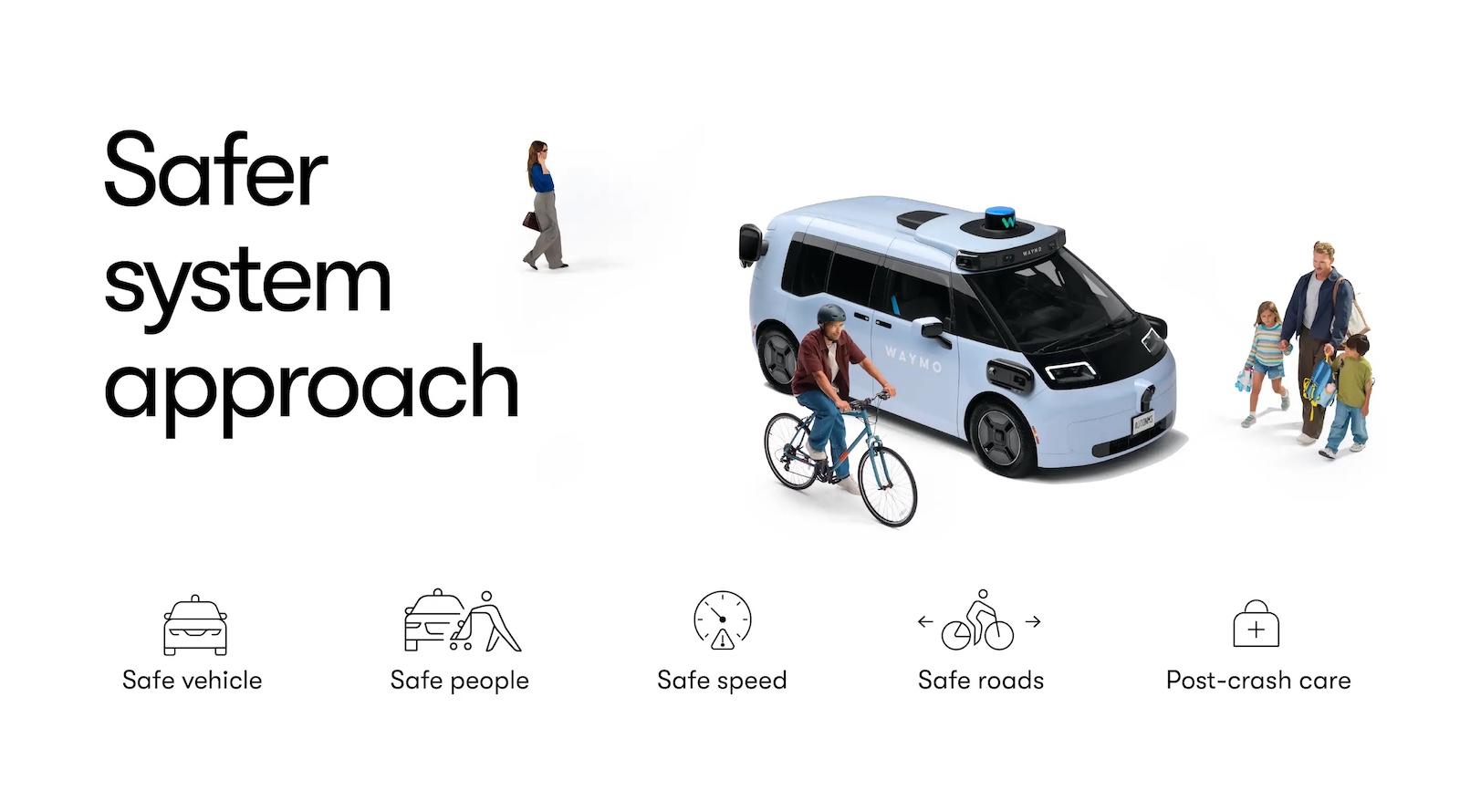
The takeaway is that road deaths are a systemic problem, not merely a behavioral one. Waymo positions its self-driving system as a way to break that chain: constant 360-degree awareness, adherence to posted limits, defensive driving, and no impairment or distraction. The company estimates autonomous systems could address up to 83% of the system failures behind fatal crashes involving passenger vehicles. Mothers Against Drunk Driving CEO Stacey D. Stewart welcomed the granular data, calling cutting-edge autonomous technology a vital tool alongside anti-drunk-driving systems built into human-driven cars.
What do you think?