
AI Cameras Catch 19,000 Road Offences in Two Weeks Across UK's West Midlands
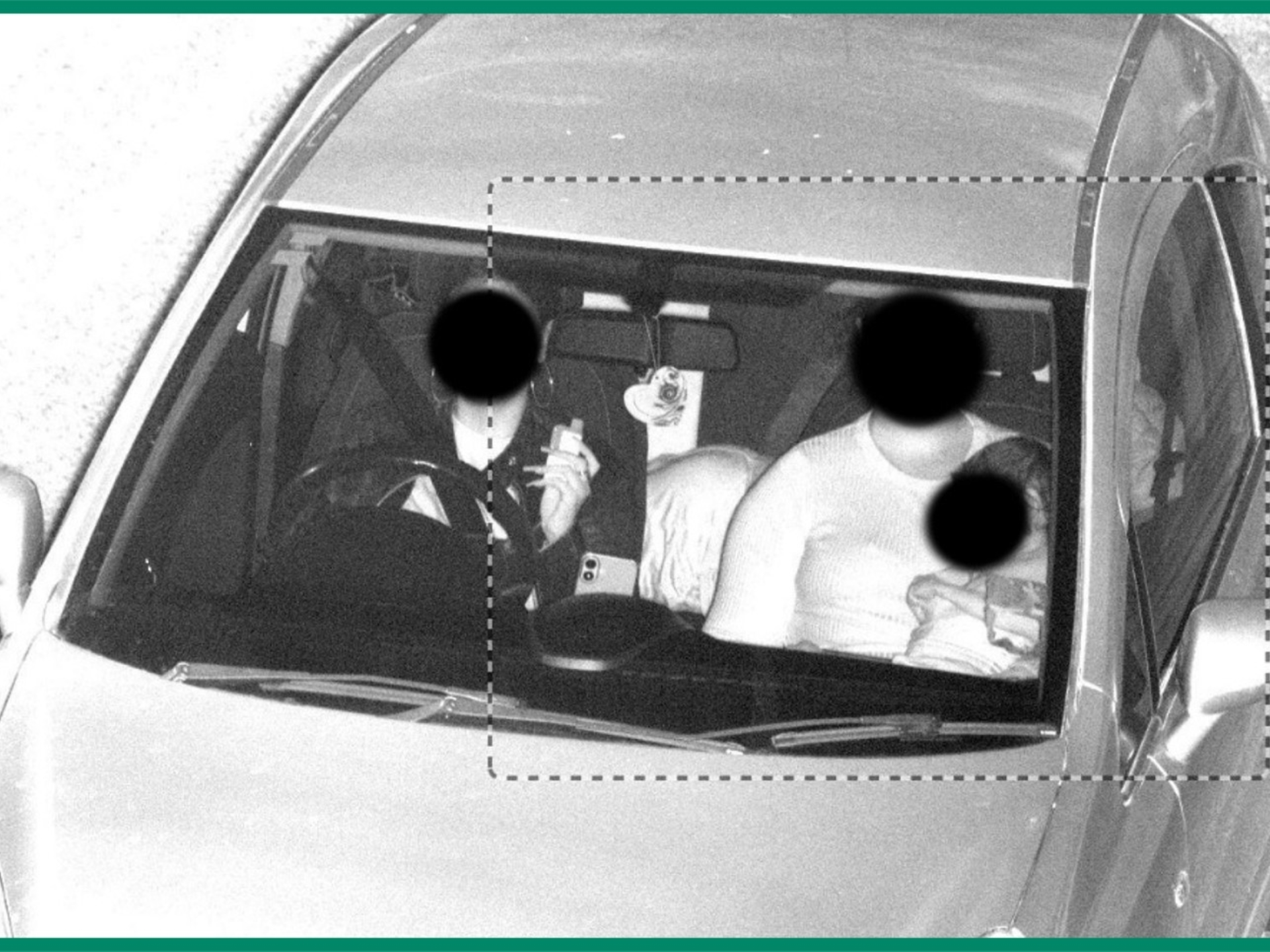
A two-week trial of AI-powered roadside cameras in the UK’s West Midlands has logged roughly 19,000 driving offences, a tally that authorities are calling “shocking.” The majority of the detected violations involved seatbelt use and handheld mobile phone use behind the wheel.
The trial relied on camera systems equipped with machine-learning software designed to flag behaviours that are notoriously hard to catch with conventional enforcement. Rather than relying solely on a human operator watching live footage, the AI scans passing vehicles and identifies potential offences automatically, allowing police to review flagged incidents at scale.
The sheer volume of offences recorded in such a short window underscores a persistent road-safety problem: many drivers continue to ignore two of the most basic and well-publicised rules of the road. Both behaviours are long-established contributors to serious collisions, yet detection has historically depended on chance sightings by patrol officers.
Automated enforcement of this kind sits at the intersection of two broader trends in transport: the growing use of computer vision in traffic management and the push toward data-driven safety policy. Proponents argue that consistent, always-on monitoring changes driver behaviour far more effectively than sporadic policing, while sceptics raise questions about accuracy, privacy and how the resulting data is stored and used.
The West Midlands results will likely feed into the wider debate over whether AI camera enforcement should be rolled out more broadly across the UK. For road-safety advocates, the message is simple: the technology can see what human observers miss, and the numbers suggest there is plenty left to see.
What do you think?