
Waymo Picks Madrid for Its Next Robotaxi Market, With Riders Targeted for 2027
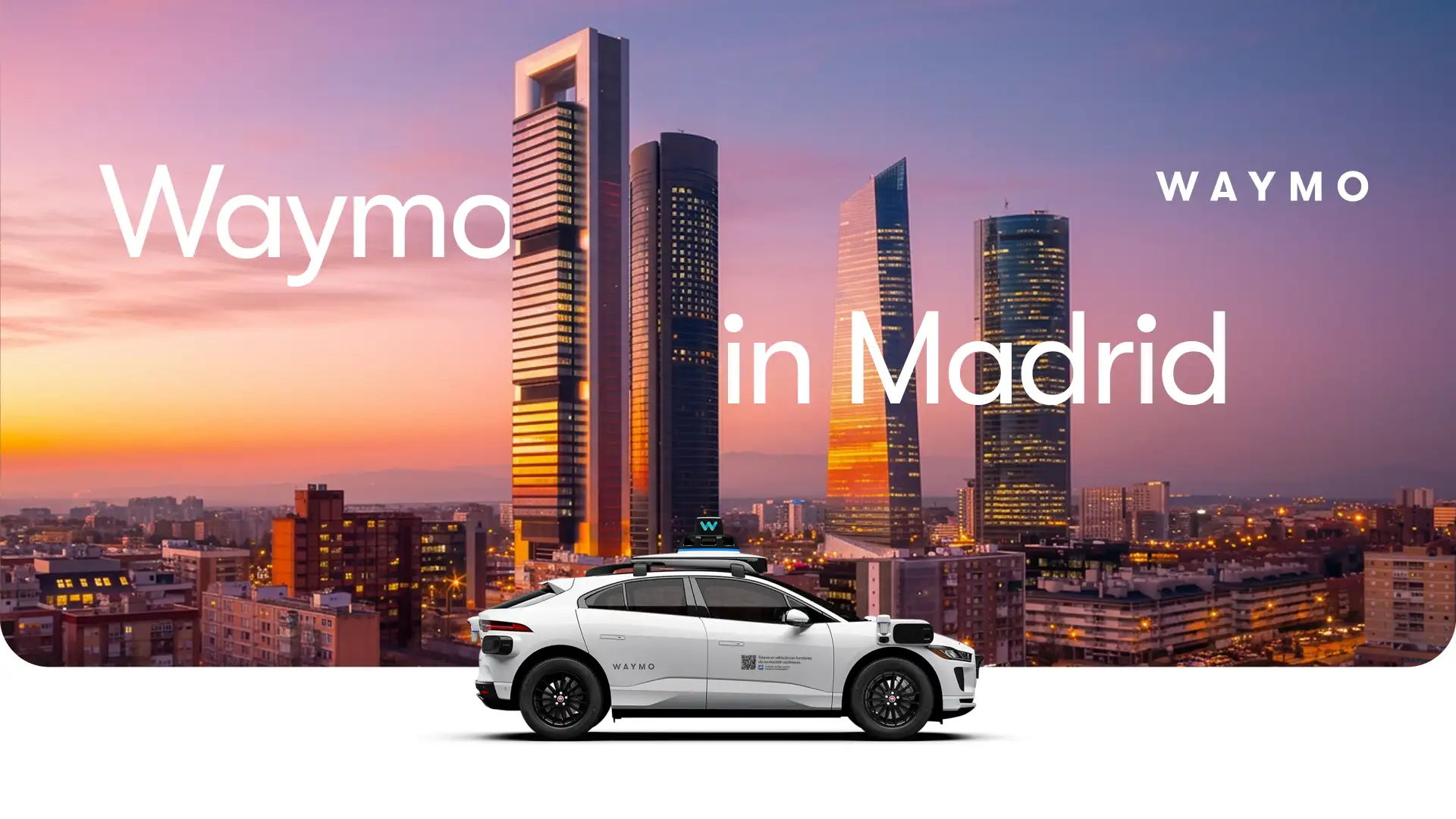
Waymo is heading to Spain. The Alphabet-owned robotaxi company says it will put its self-driving cars on Madrid’s roads within days, with the goal of carrying paying passengers in the region sometime in 2027.
The timing matters. Madrid now sits ahead of Toronto on Waymo’s calendar, even though the Canadian city was announced just four days earlier with a 2028 target. Europe, it seems, is moving faster than North America for the company right now.
Manual driving first, autonomy later
The first phase is deliberately unglamorous. Jaguar I-Pace electric SUVs — from Waymo’s previous-generation fleet — will arrive in the Spanish capital shortly and be driven by hand at the outset. Trained local specialists then take over for supervised testing before any member of the public gets in.
Waymo says it is coordinating with national, regional and municipal authorities, briefing emergency responders, and putting money into local operations. Two Spanish road safety organisations, FESVIAL and AESLEME, have publicly endorsed the plan.
“We share the region’s commitment to safer, more accessible, and zero-emission mobility, and we look forward to serving as a collaborative partner in achieving those goals.” — Tekedra Mawakana, Co-CEO, Waymo
Madrid becomes Waymo’s third European market after London and Munich. Two fresh international commitments in a single week says plenty about where the company’s priorities now lie.
A different playbook from Toronto
One detail stands out: Waymo has not named a fleet operations partner for Madrid. In Toronto, the company confirmed Element would handle that side of the business. Whether Madrid gets a similar arrangement later is still unclear.
Waymo also points to its safety record as a selling point — more than 20 million trips completed and 400 million autonomous kilometres logged, with serious-injury crashes running 95% lower than human drivers in the cities where it operates.
The I-Pace question
Launching in Spain on the discontinued Jaguar I-Pace raises an awkward question about vehicle supply. Waymo’s newer platform, built by Zeekr, would face EU tariffs on China-assembled electric cars — which may explain why the older Jaguar hardware is doing the early European work.
Then there is regulation. Spain, Germany and the UK each run their own approval frameworks, and Brussels’ push for harmonised Level 4 homologation has yet to close those gaps. Every new country means a fresh round of paperwork and local negotiation.
Why the rush? Chinese robotaxi operators and Tesla are both circling the same cities. Locking in regulatory relationships early — before rivals get a foothold — looks like the real game here.
Source: Automotive World
What do you think?