
Waymo Picks Madrid for Its First Spanish Robotaxi Rollout
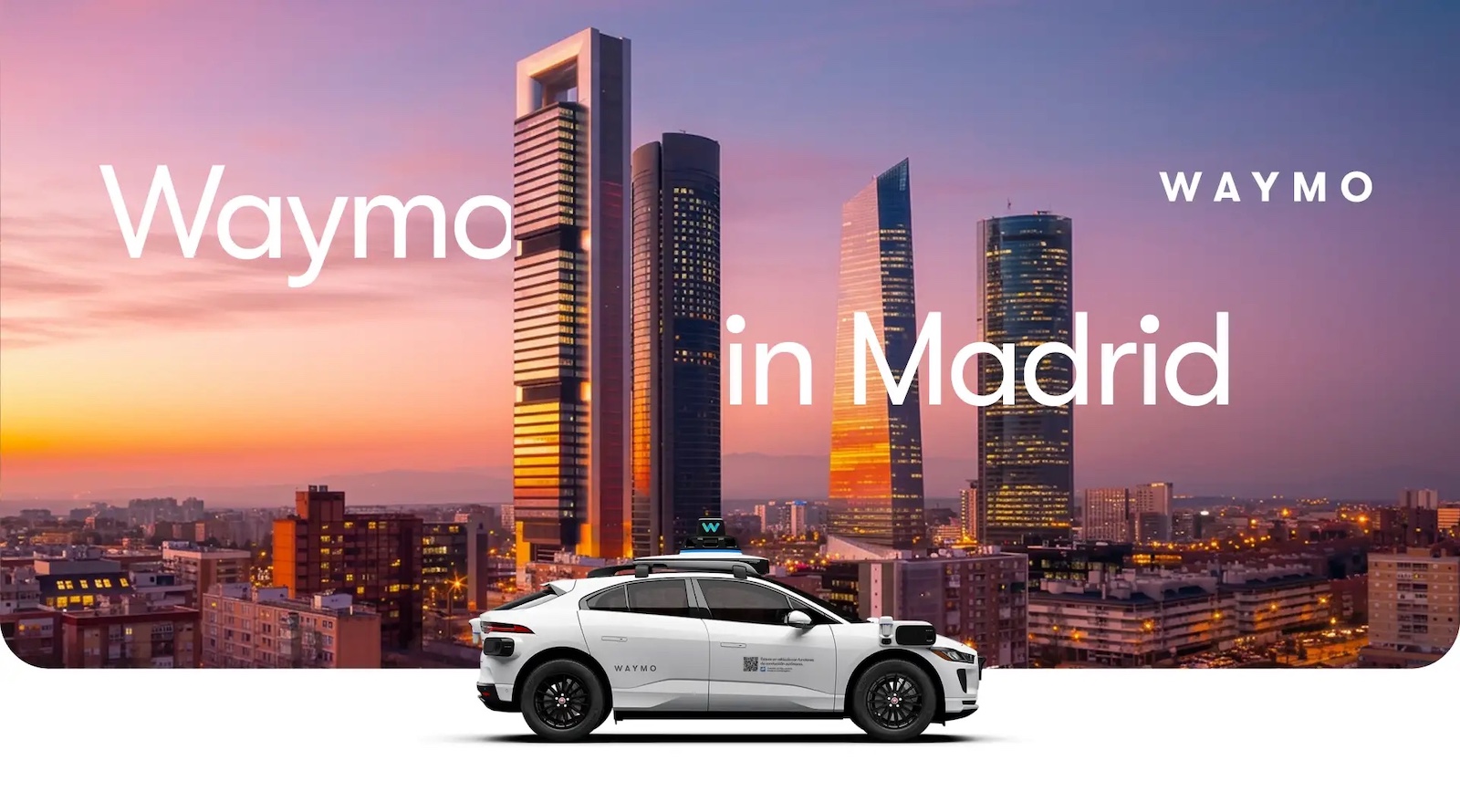
Waymo is setting up shop in Spain, and Madrid is where it all starts. The Alphabet-owned autonomous ride-hailing company confirmed it is laying the groundwork for a fully driverless service in the Region of Madrid, with the first paying riders targeted for 2027.
The company is no rookie at this. Waymo says it has already completed more than 20 million trips and now handles hundreds of thousands of commercial rides every week. Bringing that track record into the Spanish capital is the next step in what has become a steadily widening global footprint.
Residents should not expect a fleet of empty cars appearing overnight. In the coming days, Waymo’s electric Jaguar I-PACE vehicles will start showing up on regional roads, but with trained autonomous specialists behind the wheel. The plan follows a phased, safety-first script: manual driving first, then a thorough technical validation phase so the Waymo Driver can learn the region’s particular traffic rhythms and road quirks.
“Madrid is an incredible capital of innovation and an integral part of our growing global presence. We can’t wait to serve Madrileños,” said Waymo co-CEO Tekedra Mawakana.
Mawakana added that the company shares the region’s push toward safer, more accessible and zero-emission mobility, and wants to operate as a collaborative partner rather than an outside disruptor.
Working With Authorities, Not Around Them
Waymo is spending real effort on the local groundwork. The company says it is in active talks with national, regional and local authorities, and is walking emergency services through how the technology works. It is also lining up local partners and investing in the operations side needed to keep a ride-hailing service running.
That regulatory homework matters. Spain has built a reputation for taking road safety seriously, and Waymo is framing its arrival around that shared priority rather than as a tech stunt.
The safety pitch is backed by numbers from Waymo’s own operations. Across more than 400 million fully autonomous kilometres driven, the company reports 95% fewer crashes involving serious injury or worse compared with human drivers in the cities where it operates — a rate roughly 20 times lower.
Spanish road safety figures have welcomed the move. Ignacio Lijarcio, president of the Spanish Road Safety Foundation (FESVIAL), described autonomous driving as a chance to turn innovation into an ally of human capability, helping prevent mistakes and anticipate risks. Mar Cogollos, director of the spinal cord injury association AESLEME, pointed to human error as the cause of more than 90% of road accidents and said autonomous technology removes the biggest driver risks: distraction, fatigue, alcohol and drugs, speeding, and unsafe following distances.
For now, the message from Waymo is patience. Madrid gets the cars, the validation miles and the regulatory conversations first. Paying passengers come in 2027 — if the testing phase goes to plan.
Source: CleanTechnica
What do you think?