
Washington Metro Adds 100 More New Flyer Buses, Doubling Down on Hybrids Over Full Electrification
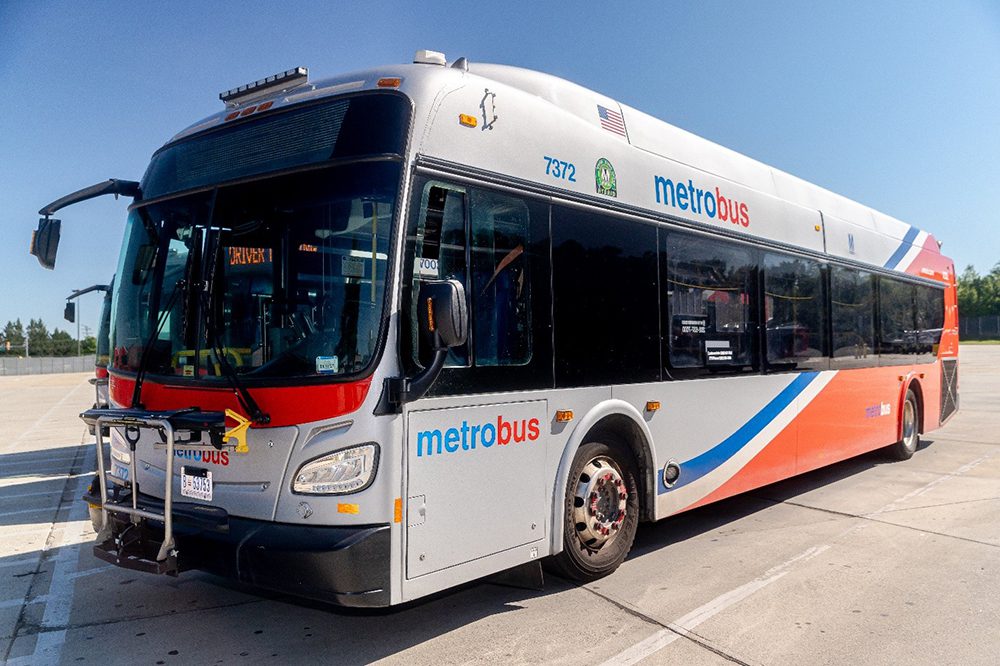
Washington DC’s transit agency is sticking with a mixed fleet. The Washington Metropolitan Area Transit Authority has pulled the trigger on the second-year option of its five-year, 500-bus deal with New Flyer of America, adding another 100 vehicles to the rollout.
The breakdown is telling: 75 Xcelsior hybrid buses and just 25 Xcelsior CHARGE NG battery-electric models. In other words, three out of every four buses in this batch still carry a diesel-electric drivetrain rather than a plug.
A Contract That Ramps Toward Electrification
The order structure says plenty about how Metro is approaching the transition. Under the same contract, the agency took 100 hybrids in 2025 before this year’s split of 75 hybrids and 25 electrics. Battery-electric volume is growing — but gradually, not overnight.
Order at a Glance: 100 buses total · 75 Xcelsior hybrids · 25 Xcelsior CHARGE NG electric · Second-year option of a five-year, 500-bus contract
The scale of what Metro is electrifying explains the caution. Metrobus runs a fleet of roughly 1,300 vehicles across 7,500 stops, covering Washington DC plus swaths of Maryland and Virginia — a service area home to some 4 million people. Swapping that entire fleet for battery power demands depot charging, grid capacity and route planning that don’t arrive with a purchase order.
Why Hybrids Still Earn Their Place
Hybrids let an agency cut fuel use and emissions on long or high-demand routes without committing to charging infrastructure at every depot. For a sprawling three-jurisdiction network, that flexibility matters.
NFI’s North American Bus and Coach president Chris Stoddart framed the order as evidence of Metro’s push for “efficiency and modernization,” and pointed to the vehicles being Buy America-compliant — a requirement that carries real weight for publicly funded US transit purchases.
From the rider’s side, Metro COO Leroy Jones highlighted the onboard experience: better safety equipment, more space, improved comfort and updated features.
The Bigger Picture
Transit agencies across the US are juggling climate targets against the practical limits of depot charging and vehicle range. Metro’s answer — buy electric where it works today, keep hybrids where it doesn’t yet — is a pragmatic middle path, even if it falls short of a full battery-electric switch. Expect the electric share of future options to creep upward as charging build-out catches up.
Source: Charged EVs
Curious how this compares to other EVs? Try our comparison tool →What do you think?