
VW's EV Sales Are Booming, and That's Exactly Why Its Profits Are Bleeding
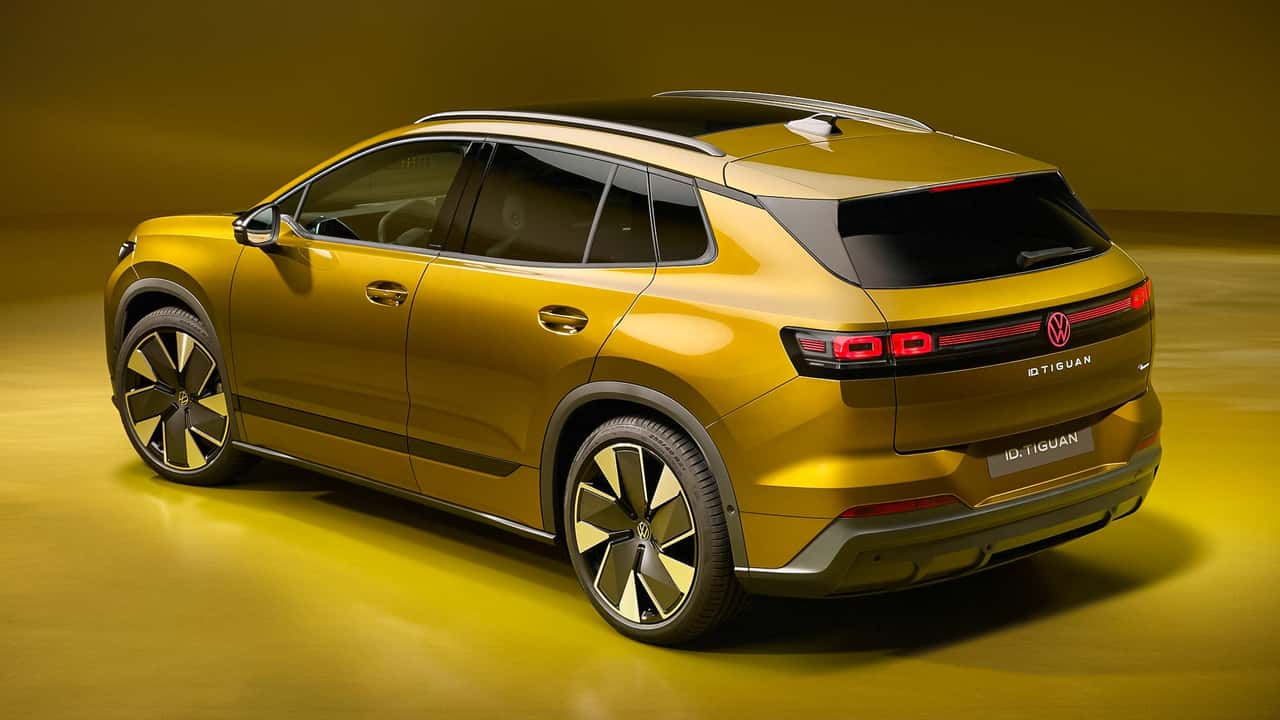
Volkswagen has a strange problem on its hands: the electric cars it spent billions developing are finally flying off dealer lots, and the result is a bigger hole in the balance sheet. More volume, less money. That’s the uncomfortable math the group laid out this week.
Globally, 209,100 EVs were delivered last quarter, a 19.6% jump year-over-year. On paper, that’s a success story. In the earnings column, it reads differently.
The Margin Trap
Quite simply, VW makes less on an electric car than it does on a petrol or diesel one. CFO and COO Arno Antlitz didn’t dress it up, saying the strong demand for the group’s EVs is adding pressure rather than relief, because the profitability per vehicle just isn’t there yet.
The headline number is ugly: an operating return on sales of 3.8% before special items after nine months. Antlitz’s verdict was blunt — not enough to keep funding the future at the pace VW wants.
“We cannot afford to lose any time and must act quickly and decisively.” — Arno Antlitz, VW Group CFO and COO
The scale of the damage came through in the quarterly filing, too. VW Group booked $6.6 billion in operating losses in Q3, its worst three-month result since the Dieselgate affair broke in 2015.
It’s Not Just the EVs
Blaming the electric lineup alone would be lazy. Several other weights are dragging the group down at the same time:
- China: a market that is contracting fast for VW, arguably the single biggest headache.
- U.S. tariffs: steep import duties adding cost on the other side of the Atlantic.
- Porsche writedown: a hit on the value of its stake in the sports car brand.
- One-off charges: close to $9 billion in exceptional items landing in the same period.
A perfect storm, in other words, rather than one bad quarter caused by a single product decision.
The Promise That Hasn’t Landed Yet
The old argument in favor of electric cars still holds: fewer moving parts, simpler assembly, theoretically cheaper to build. The catch is timing. Development costs are enormous right now, battery prices are still working their way down, and factories need volume to hit the efficiency that makes the numbers work.
Tesla and a handful of Chinese manufacturers have shown the model can be profitable. Legacy players are still climbing that hill — and VW has to keep spending aggressively on new models if it wants to stay in the global race.
There’s a political angle worth noting, too. News of thin EV margins lands at an awkward moment, with the group actively lobbying Brussels for softer CO2 rules. Read into that what you will.
For buyers, none of this changes much today. For VW, it’s the central question of the decade: sell more electric cars, or make more money on each one. Right now it’s doing the first without the second.
Photo: Volkswagen / InsideEVs · Official Press Kit / Editorial (Editorial / Press Kit)
Source: InsideEVs
What do you think?