
Chery Pivots to European Production as EU Tariffs Bite
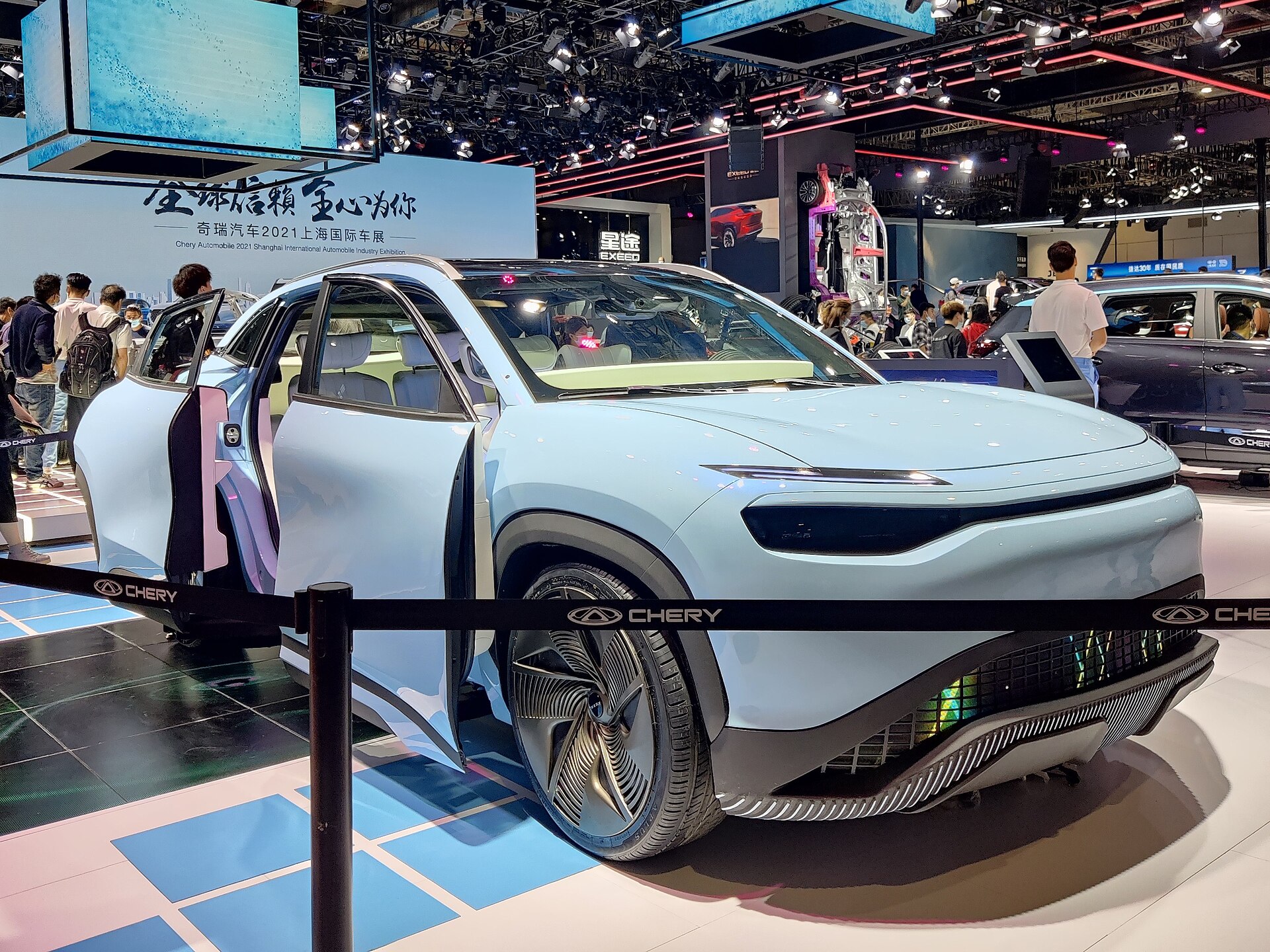
Europe’s steep duties on China-built electric cars are reshaping strategy at Chery, which is now moving faster toward assembling its battery-electric models inside the bloc. The goal is straightforward: get its first European-built BEV out from under the EU’s 41.3% import levy.
That number is the whole story. Any vehicle shipped in from China carries the extra cost, and building locally wipes it away in one stroke.
A Price Shield Starts to Crack
For European brands like SEAT and Cupra, the tariff wall has served as a protective cushion — Chinese EVs landed with a built-in price penalty, giving domestic players breathing room. A locally assembled Chery BEV removes that cushion entirely.
Chery has been expanding its European manufacturing footprint, so the shift isn’t starting from zero. But moving its first European-built electric model into production is the step that changes the competitive math.
German Giants Rethink China
The same week brought fresh signals that Western automakers are under real pressure in the world’s largest EV market.
- Mercedes-Benz: opened a full review of its China operations after Q3 deliveries dropped 31% in the country.
- Volkswagen: is weighing the use of its CEA architecture — co-developed with Xpeng — in roughly 75% of its next-generation models.
- Audi: handed leadership of its China business to a former Chery executive.
Each move points the same direction. Established brands are conceding ground and reworking how they compete against nimble domestic players.
Key Figure: 41.3% — the EU import duty on China-built EVs that local production would avoid.
VW’s interest in the CEA platform is worth watching on its own. A Chinese co-developed electrical architecture powering three-quarters of its coming lineup would mark a real reversal of the usual technology flow.
Meanwhile, Audi’s decision to install someone with Chery experience at the helm of its China unit says plenty about where the company thinks local know-how now resides. Fighting on Chinese turf requires people who have already won there.
What the Shift Means
Chery’s localisation push and the German course corrections tell the same story from opposite ends. Tariffs can slow Chinese imports into Europe, but they don’t reverse the underlying cost and speed advantages. And inside China, the incumbents are the ones adapting.
The next few quarters will show whether Chery’s European-built EV lands at a price that genuinely unsettles SEAT and Cupra — or whether logistics and ramp-up costs eat the advantage.
Photo: JustAnotherCarDesigner · Wikimedia Commons (CC BY-SA 4.0)
Source: Automotive World
What do you think?