
Volvo Trucks Taps Laser-Welding Simulation to Build Better Electric Truck Batteries
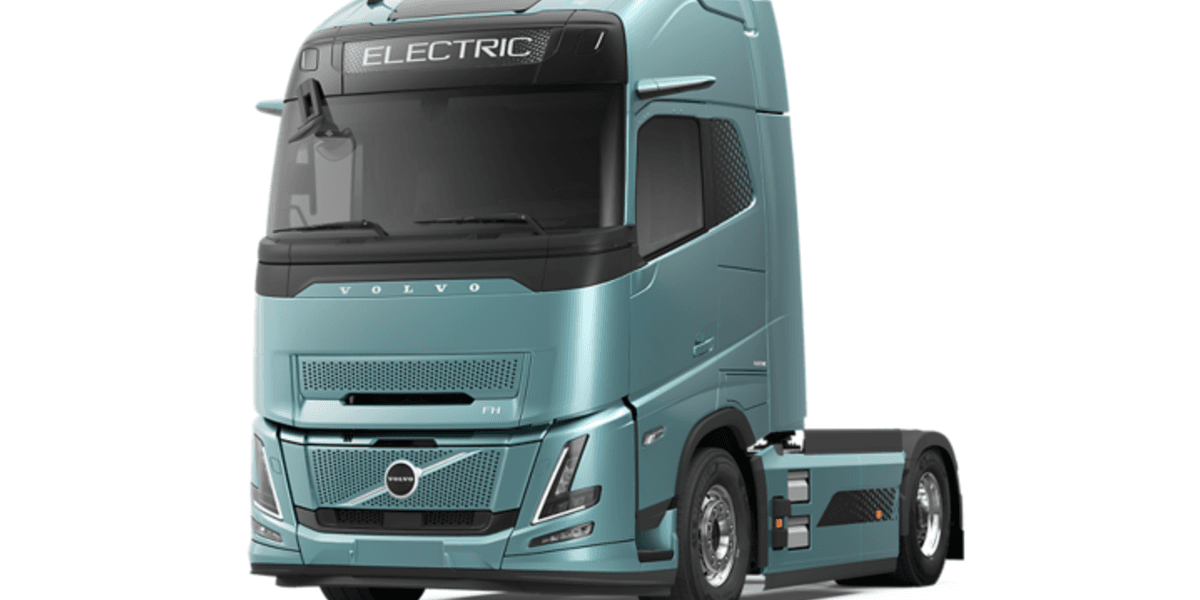
Volvo Trucks has turned to advanced computer simulation to speed up the development of battery packs for its heavy-duty electric trucks, working alongside a broader consortium on a multiscale simulation approach built on COMSOL software.
The centerpiece of the effort is a custom simulation app focused on laser welding, a process that plays a decisive role in how battery packs are put together. By modeling the welding process digitally, the team was able to refine the design and manufacturing of these packs without relying solely on physical prototypes, which typically slow down development and add cost.
The stated goal is batteries that last longer and perform more consistently, which matters enormously in the heavy-duty segment. Electric trucks cover long distances under heavy loads, so any weakness in the pack’s construction can shorten its working life. Improving robustness at the welding stage helps address that problem at its root.
The payoff, according to the consortium, is longer-range and more reliable electric fleets. Range and durability remain two of the biggest questions fleet operators ask before switching from diesel to electric, so progress on the battery side directly influences how quickly heavy-duty electrification can scale.
Simulation-led engineering of this kind is becoming a common thread in the industry, where virtual testing is used to compress timelines and reduce the number of physical builds needed. For Volvo Trucks, the laser-welding app represents a concrete step toward battery packs that can stand up to the demands of commercial haulage over many years of service.
Source: IEEE Spectrum - Transportation
Curious how this compares to other EVs? Try our comparison tool →What do you think?