
ProLogium and Rimac Unveil Solid-State Battery Concept, Vehicle Testing Slated for 2028
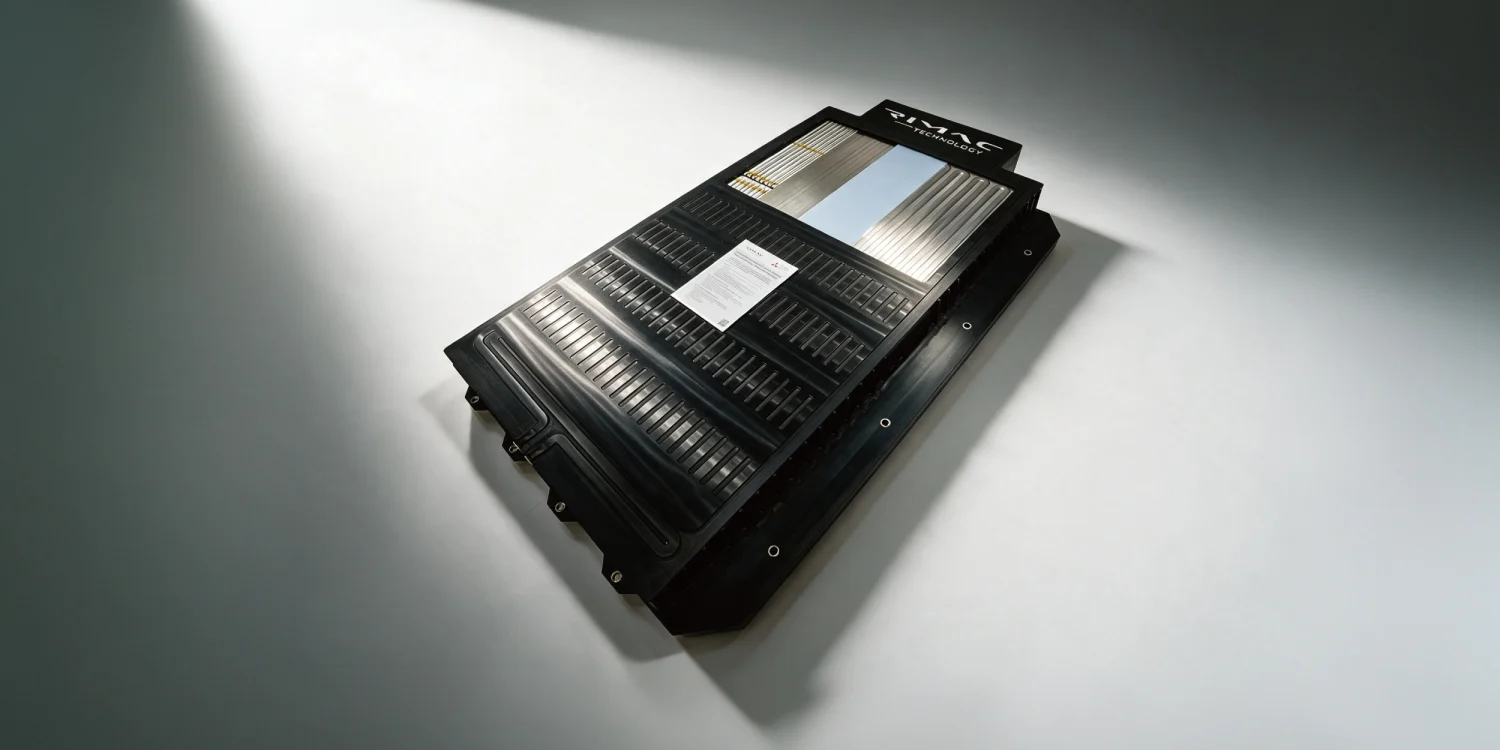
ProLogium and Rimac Technology have completed a concept model for a next-generation electric vehicle battery, with the two partners planning to display it at the Paris Motor Show in 2026. The collaboration, built on a letter of intent signed in September 2025, pairs ProLogium’s cell technology with Rimac’s expertise in integrating battery systems — and it points toward a working vehicle-ready pack in the second half of 2027.
- Concept Unveiled in Paris: The partners intend to showcase the concept battery at the 2026 Paris Motor Show, offering the first public look at the joint architecture.
- Working Pack Next Year: A fully functional battery package is targeted for the second half of 2027, with a functional battery segment due at CES 2027 ahead of that milestone.
- Road Testing in 2028: Vehicle and on-road testing are planned for the second half of 2028, according to the current development roadmap.
- Cell-to-Pack With Pouch Cells: The design centers on a cell-to-pack architecture using pouch cells, with Rimac developing a scalable integration technology for solid-state cells.
- Engineering Focus Areas: Rimac says it is examining thermal management, handling of cell swelling, and cell mounting, running several approaches in parallel — some aimed at higher energy density and lower weight, others at performance.
Why It Matters
The announcement gives a clearer timeline for one of the more closely watched solid-state battery partnerships in the industry. ProLogium has long positioned its cell technology as a path toward higher energy density, while Rimac brings practical know-how in packaging high-performance battery systems for demanding applications. If the integration work succeeds, Rimac expects weight savings alongside gains in efficiency and range once the system is validated in a vehicle.
Rimac also intends to simplify construction and consolidate functions, with cost considerations built into the design process. Still, the roadmap is deliberately staged — concept first, then a functional segment, then a complete pack, and only then vehicle testing. That sequencing underlines how much validation remains before solid-state cells reach production vehicles, and how central integration engineering will be to making the technology viable.
Source: Battery-News
Curious how this compares to other EVs? Try our comparison tool →What do you think?