
Apple and Schneider's New Smart Thermostat Aims to Trim Your Power Bill
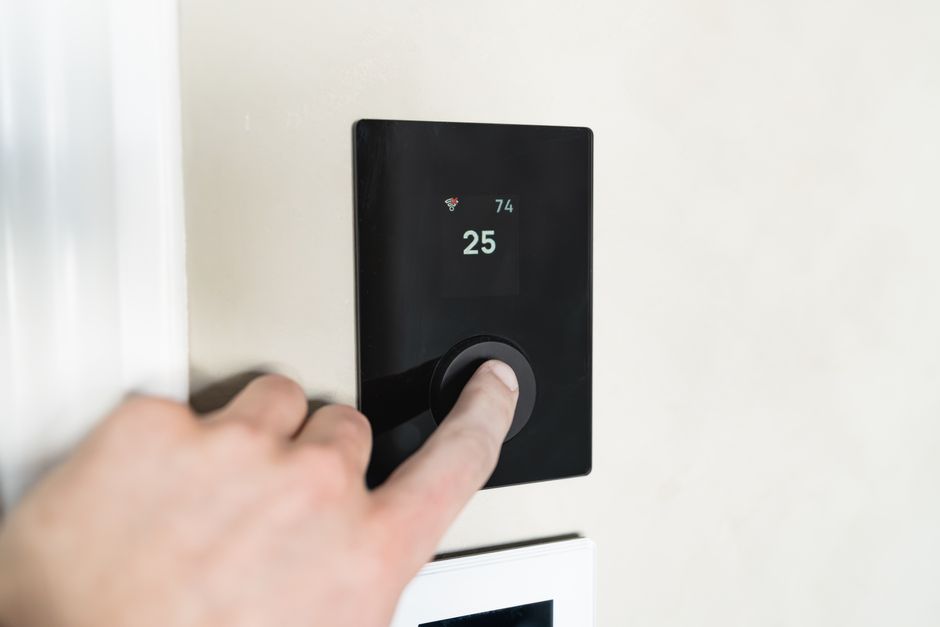
Apple has teamed up with French energy-management specialist Schneider Electric to build a smart thermostat that leans on the iPhone to work out when someone is actually at home — and then nudges heating and cooling toward hours when electricity is greener or cheaper. The device is the debut product of the new Apple Home Collection, with a launch planned for the US and Canada in early 2027.
- Pricing and sensors: Schneider quotes suggested prices of $199.99** for the thermostat, while Apple's own announced figures sit four cents lower on each item. Optional room sensors that track temperature and humidity land at **$39.99 and arrive alongside the main unit.
- Hassle-free control: Everything runs through the native Apple Home app, so there is no separate download or extra account. Siri handles voice adjustments, and Apple’s Adaptive Temperature feature reads presence cues from the iPhone to switch between home, away and night settings without a manual schedule.
- Cost and carbon angle: A Clean Energy Guidance function can push heating and cooling into cleaner, lower-priced windows for households on compatible utility tariffs in the contiguous US, with the Home app surfacing usage insights and peak versus off-peak rates.
- Connectivity stack: The thermostat supports Matter and Thread, the latter keeping it linked to the home network even if the internet drops. NFC pairing means setup can begin by tapping an iPhone against the unit — even before it has power. Home app data is end-to-end encrypted.
- Ecosystem extras: Schneider also rolled out three magnetic power mounts for Apple’s wall-mounted HomeView display — USB-C at $59.99**, hardwired AC at **$79.99, and Power over Ethernet at $129.99. The first two reach Apple stores on November 13, with the Ethernet variant following in early 2027.
Why It Matters
For context on where this lands, competing smart thermostats range widely: ecobee units run from about $139.99 to $259.99, while Google Nest models span roughly $99 to $280. Apple’s entry sits mid-pack on price, so the differentiator is integration rather than cost — presence detection handled by the phone people already carry, plus utility-rate awareness aimed squarely at bill savings.
Schneider has promised a fuller reveal at CES 2027 in Las Vegas. The bigger question for buyers is compatibility: a thermostat is only as useful as the HVAC hardware it can talk to, and homeowners who recently swapped out an air conditioner know how quickly a smart device can be orphaned by an incompatible system. If the Apple–Schneider unit plays nicely across a broad range of equipment, it could become a quietly practical piece of the home energy puzzle rather than another connected gadget.
Source: Electrek
Curious how this compares to other EVs? Try our comparison tool →What do you think?