
Volvo Trucks Sticks with Gaseous Hydrogen for Its Fuel Cell Trucks
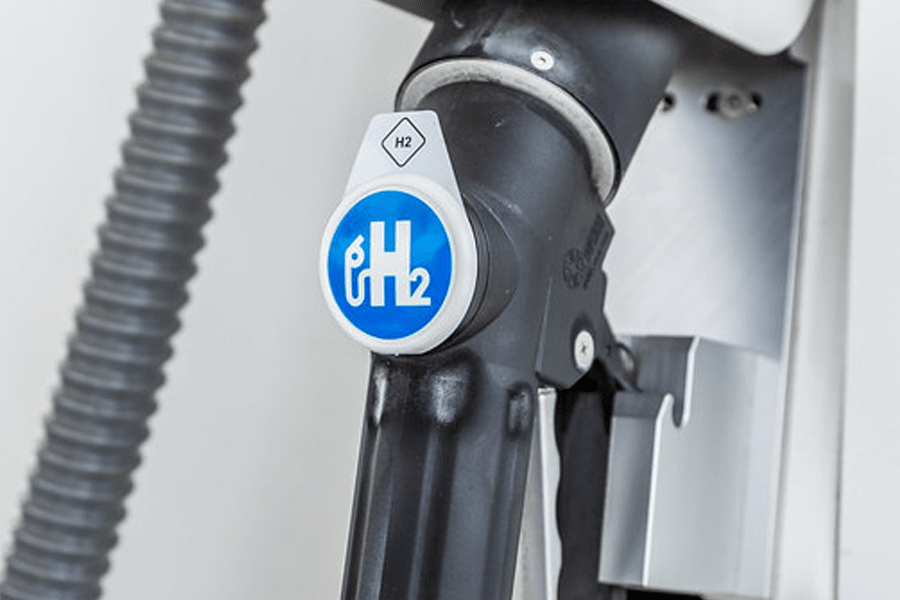
Volvo Trucks has made clear how it intends to store hydrogen in its future fuel cell trucks: as a compressed gas in pressurised tanks, not in liquid form. At the IAA Transportation show, Jan Hjelmgren, Senior Vice President of Product Management & Quality at Volvo Trucks, explained that the Swedish manufacturer wants to lean on already-proven storage systems and widely available infrastructure, describing that route as both speedier and more grounded in reality. He said a switch to liquid hydrogen as an energy carrier could be imagined at some later point, but it is not the plan for now.
That decision sets Volvo Trucks apart from its collaboration partner Daimler Truck, which has committed to running its Next GenH2 Truck on liquid hydrogen. Liquid H2 packs more energy into the same space, yet it has to be held at roughly −253 °C to stay in that state, meaning transport, refuelling and on-board storage all need dedicated solutions. With fuel cell development already carrying enormous costs, Volvo Trucks is avoiding that extra layer of complexity in the near term.
Both companies are part of a hydrogen alliance launched in September alongside Toyota and industrial players such as Bosch, Air Liquide and TotalEnergies, aimed at pushing fuel cell electric vehicles forward in Europe, especially in Germany. Volvo Trucks has said comparatively little about its FCEV work, with its last public progress note dating back to 2023, when it announced initial road tests of a fuel cell prototype. According to Hjelmgren, customer trials should get under way soon, although a production-ready fuel cell truck is unlikely before the start of the next decade. A hydrogen combustion truck, by contrast, has already been displayed and could reach the market before this decade ends.
To get the hydrogen ecosystem moving in Germany ahead of full-scale launches, both Daimler Truck and Volvo Trucks will initially build small pre-series batches. Daimler has already stated it plans 100 units, while Volvo Trucks has not yet shared how many it will produce. The fuel cells from their joint venture Cellcentric can serve both brands, since the units essentially run on gaseous hydrogen either way.
What do you think?