
Volvo Deepens Nvidia Alliance to Accelerate Hands-Free Driving
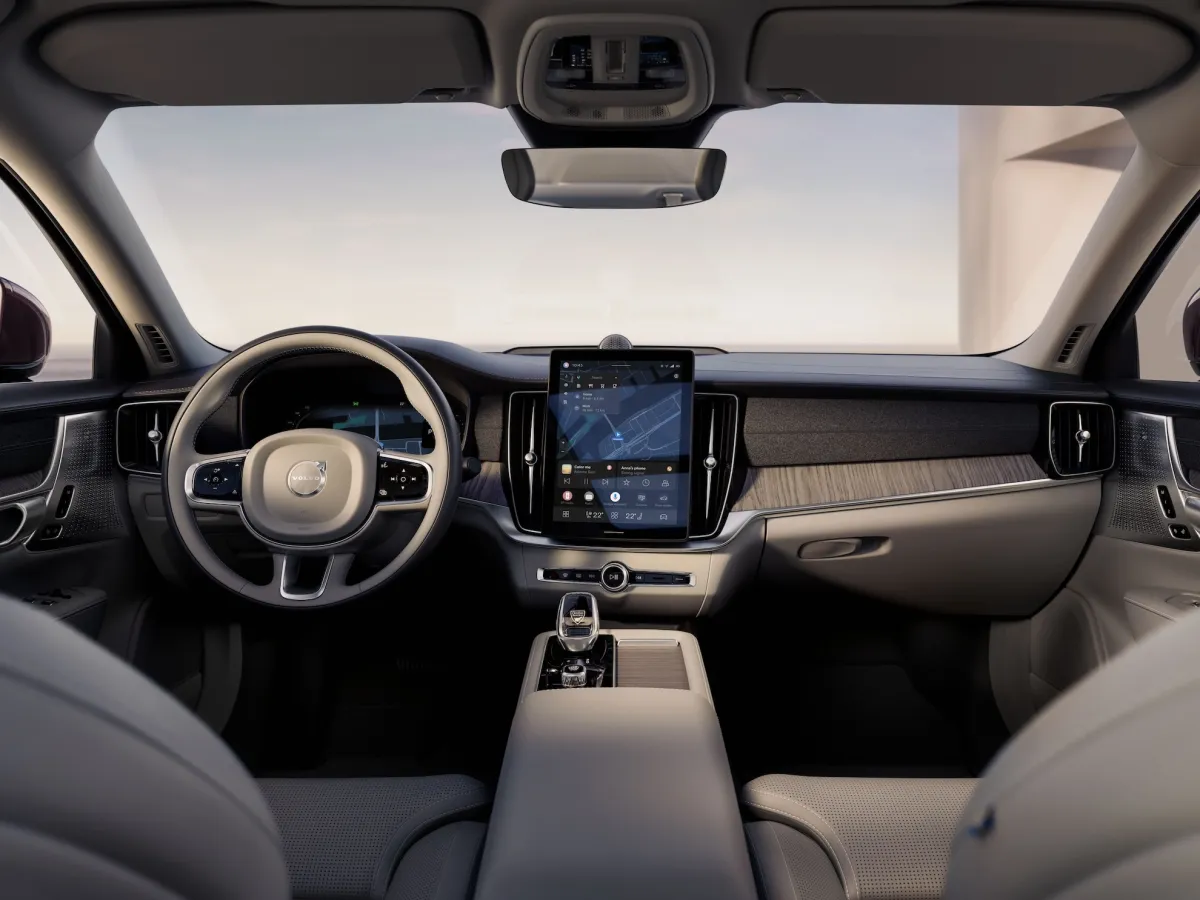
Volvo is expanding its long-running collaboration with Nvidia, a relationship that stretches back nearly ten years, in a push to deliver a more capable hands-free automated driving system. The two companies confirmed the move on Thursday, outlining plans to equip future Volvo vehicles with a trio of Nvidia hardware and software components aimed at handling both city streets and highway travel.
At the heart of the arrangement is Nvidia’s Hyperion sensor and compute architecture, paired with the Alpamayo driving software stack and a safety evaluation framework known as Halos. According to Ali Kani, who leads Nvidia’s automotive division, Alpamayo is built to be redundant and varied: it blends a family of AI models, datasets, simulation and development tools with more conventional machine-learning software that relies on camera and radar perception. Running both stacks simultaneously, Kani explained, forms the basis of a safer product philosophy that leans on multimodal sensors. He also noted that the open-source Alpamayo software has surpassed 650,000 developer downloads.
Volvo has stayed quiet on the financial terms of the deal and has not named the first model to receive the new tech. Still, Alwin Bakkenes, who oversees software development at Volvo, offered a glimpse of its scope and what it signals about the company’s direction. He described a shift away from the old approach of developing vehicles line by line with a patchwork of suppliers, saying Volvo has migrated into becoming a full-tech-stack company. The partnership, he added, will kick off with an entirely new vehicle arriving “in the not-too-near future,” with a debut expected before the end of the decade and room for the technology to extend further afterward.
While Volvo and Nvidia are hardly new allies, the broadened tie-up reflects an ambition to spread the latest automated driving software across the entire lineup rather than limiting it to electric models. Every battery-electric Volvo currently relies on Nvidia’s Orin chip, which crunches data from cameras, radar and other sensors so the car can interpret its surroundings and make driving choices. Looking ahead, Bakkenes said the company intends to standardize more around Hyperion, including from a sensor-set standpoint, which would open the stack more widely to the Nvidia partnership. The move positions Volvo among automakers racing to scale hands-free driving beyond premium trims, even as questions remain about pricing, the specific models involved and how quickly the technology reaches showrooms.
What do you think?