
US Opens Door for Driverless Trucks as Regulators Drop Warning-Triangle Rule
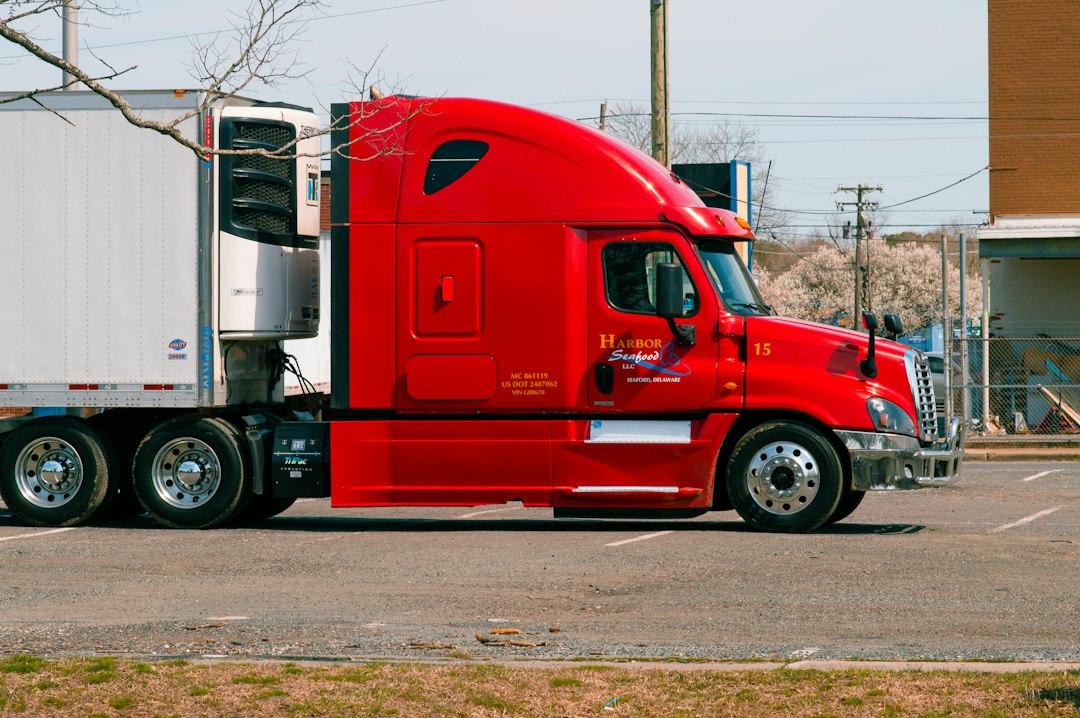
US regulators have handed autonomous freight operators a long-sought victory: the Federal Motor Carrier Safety Administration has granted a five-year exemption allowing self-driving trucks to signal their presence with cab-mounted beacons rather than the traditional roadside warning triangles. The change removes one of the more awkward practical hurdles for driverless heavy vehicles, since a truck without a human driver cannot manually place reflective triangles on the shoulder when it stops.
The exemption is not exclusive to any single company. It applies to any carrier running SAE Level 4 automated vehicles, meaning the benefit extends across the emerging autonomous trucking sector rather than rewarding one developer. Still, one name stands out in terms of near-term scale: Aurora, which has set a target of expanding from roughly 20 driverless trucks today to 200 by the close of 2026. That ambitious ramp-up illustrates how quickly the industry hopes to move once regulatory friction eases.
The regulatory shift arrives alongside a separate safety reality check. The Insurance Institute for Highway Safety has published its first commercial vehicle ratings, and the results put heavy-duty pickups and cargo vans behind passenger cars when it comes to front crash prevention. It is an early benchmark, but it highlights that advanced safety systems long common in consumer vehicles have not yet become standard across the commercial fleet.
In Europe, attention is turning to charging infrastructure for electrified freight. The International Road Transport Union and Transport & Environment have jointly called on the European Commission to permit shared depot charging, arguing that operators should be able to pool and share charging facilities rather than build isolated sites. Shared depots could cut costs and speed up the transition for fleets that cannot justify dedicated high-power chargers on their own.
On the powertrain side, China’s Foton and Weichai Power are deepening their existing alliance, a move that reflects the broader push among commercial vehicle makers to combine engine, transmission and electrified drivetrain expertise as emissions rules tighten. Taken together, these developments sketch a sector moving on two tracks at once: automation is clearing regulatory obstacles, while electrification and safety standards are still catching up to the pace of change.
Photo: Shay on Unsplash (Unsplash License)
Source: Automotive World
What do you think?