
Unifor Votes on Strike as Stellantis Weighs Brampton Sale
Canadian autoworkers are deciding whether to authorise strike action against Stellantis, as the union pushes back against the company’s plan to sell its idle Brampton assembly site to a military vehicle manufacturer. Unifor is balloting roughly 9,000 members across Brampton, Windsor and Etobicoke Casting, with voting scheduled for Oct 17-18 and results due Oct 19. About 2,200 Brampton members are on indefinite layoff, and the union argues that a strong strike mandate could break the deadlock in contract talks.
The standoff centres on Stellantis’s insistence that a pattern agreement must include acceptance of Brampton’s closure and sale. Union leaders Lana Payne, James Stewart and Vito Beato stressed that the ability to strike is a core lever in collective bargaining, capable of creating conditions for a deal. Stewart noted that Brampton workers have been jobless for close to three years. Payne tied the dispute to the broader threat of US tariffs, including a potential 50% levy on Canadian autos from Jan 1, describing the situation as an existential crisis for the domestic industry.
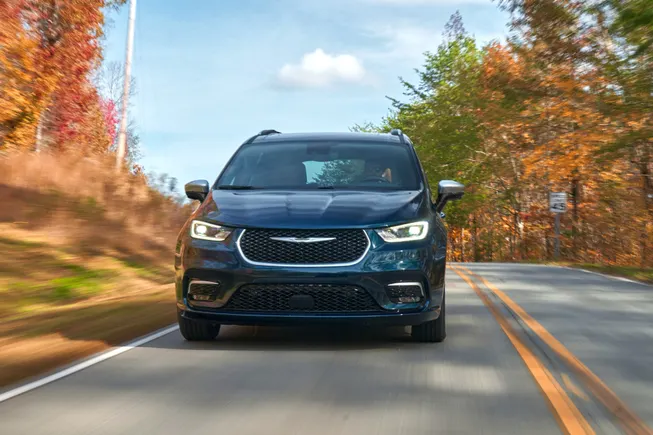
The Windsor Assembly Plant, which builds the Chrysler Pacifica, Pacifica Plug-In Hybrid and Grand Caravan for Canada, along with Dodge Charger models, will be pivotal. Its 6,400 Unifor Local 444 members returned from a two-week layoff on Oct 5, only to face another three-week halt from Oct 19. Despite the downtime, Pacifica US sales climbed 13% year-over-year to 101,611 units in the first three quarters of 2026, and the minivan line remains Canada’s best-selling people carrier. Former auto research director Ross McKenzie told WardsAuto that minivans are popular because they are cheaper than SUVs and pickups, flexible for passengers or cargo, and economical at current fuel prices. The newly opened Gordie Howe International Bridge adds a third route for Windsor-built vehicles heading to the US.
Stellantis said it continues to adjust manufacturing in response to market conditions and tariffs, and remains committed to bargaining in good faith. The Brampton site, spanning 237 acres, previously supported up to 1,000 vehicles a day. Under the proposed deal, Roshel would employ around 500 people and build roughly three armoured vehicles daily, leaving substantial land potentially available for sale. Stellantis sold 32 acres there for CA$80 million in January 2025, implying a remaining value near CA$590 million. Ottawa has also signalled it would seek repayment of CA$222 million in retooling funds if production is abandoned.
Former Brampton operations manager Peter Sandor suggested Windsor workers might reject a strike, which could give the union room to accept a closure deal while claiming it fought hard. Yet Unifor has shown no flexibility on the sale. Sandor argued the union must hold firm on job security, wages and benefits, warning that sacrificing Brampton would abandon a third of its members. Stellantis, meanwhile, faces the fallout from a 2025 net loss of €22.3 billion and revenue down 2% to €153.5 billion, with CEO Antonio Filosa calling the result the cost of overestimating the EV transition. The Brampton outcome will test how far the company will go to reshape its Canadian footprint.
What do you think?