
UK Weighs Tariffs on Chinese EVs as Beijing Braces for Retaliation
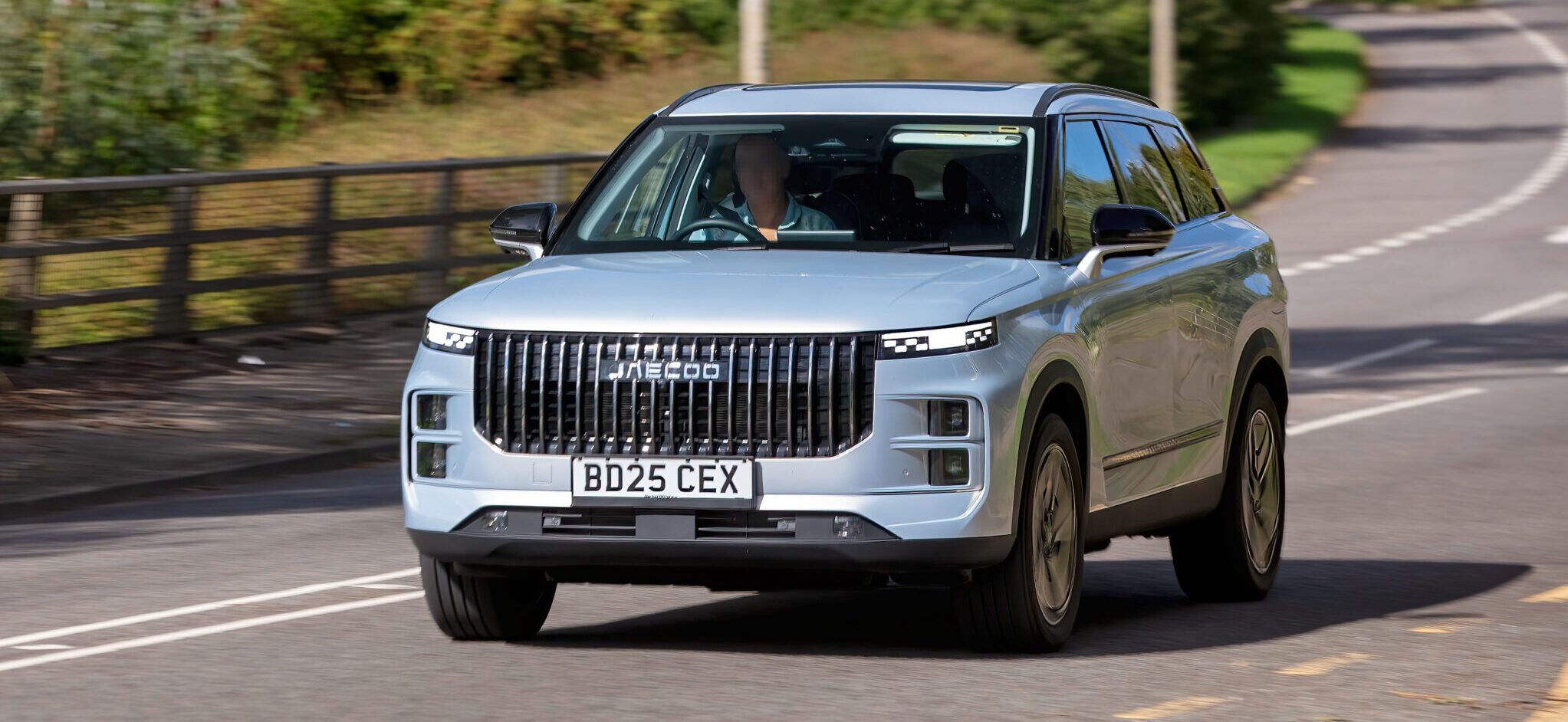
London appears to be moving closer to aligning its electric vehicle trade policy with Brussels. According to reports reviewed this week, the UK government is considering duties on Chinese-built EVs in order to stay in step with the EU’s Made in Europe framework — a decision that would carry significant diplomatic and commercial consequences.
The most exposed player in any tit-for-tat scenario is JLR. The British luxury automaker has deep manufacturing and sales ties with China, making it the most obvious target should Beijing decide to retaliate against UK tariffs. That vulnerability helps explain why London seems to be steering toward a preferred endgame: Chinese brands building cars in qualifying UK plants rather than shipping them in from overseas.
That strategy is already taking shape. Nissan is reported to be in discussions with Chery about using its Sunderland facility — one of the country’s largest and most established automotive sites — as a production base. If those talks progress, it would represent a template for how Chinese manufacturers could sidestep tariffs while keeping UK market access.
Elsewhere in the brief, BYD’s September overseas sales came in at 180,700 units. While substantial in absolute terms, the figure falls short of the run rate the company’s own export guidance implies it needs to hit. The gap raises questions about whether the Chinese giant can sustain its aggressive international expansion targets through the remainder of the year.
On the European front, Chinese-owned automakers continued to gain ground, lifting their combined share of the EU market to 10.8% in August. Xpeng also opened orders for the G9L, its fourth model to be built in Europe — a further sign that Chinese players are increasingly localising production rather than relying solely on imports.
What do you think?