
UK Eyes Chinese EV Tariffs to Keep Its Factories Inside Europe's Trade Tent
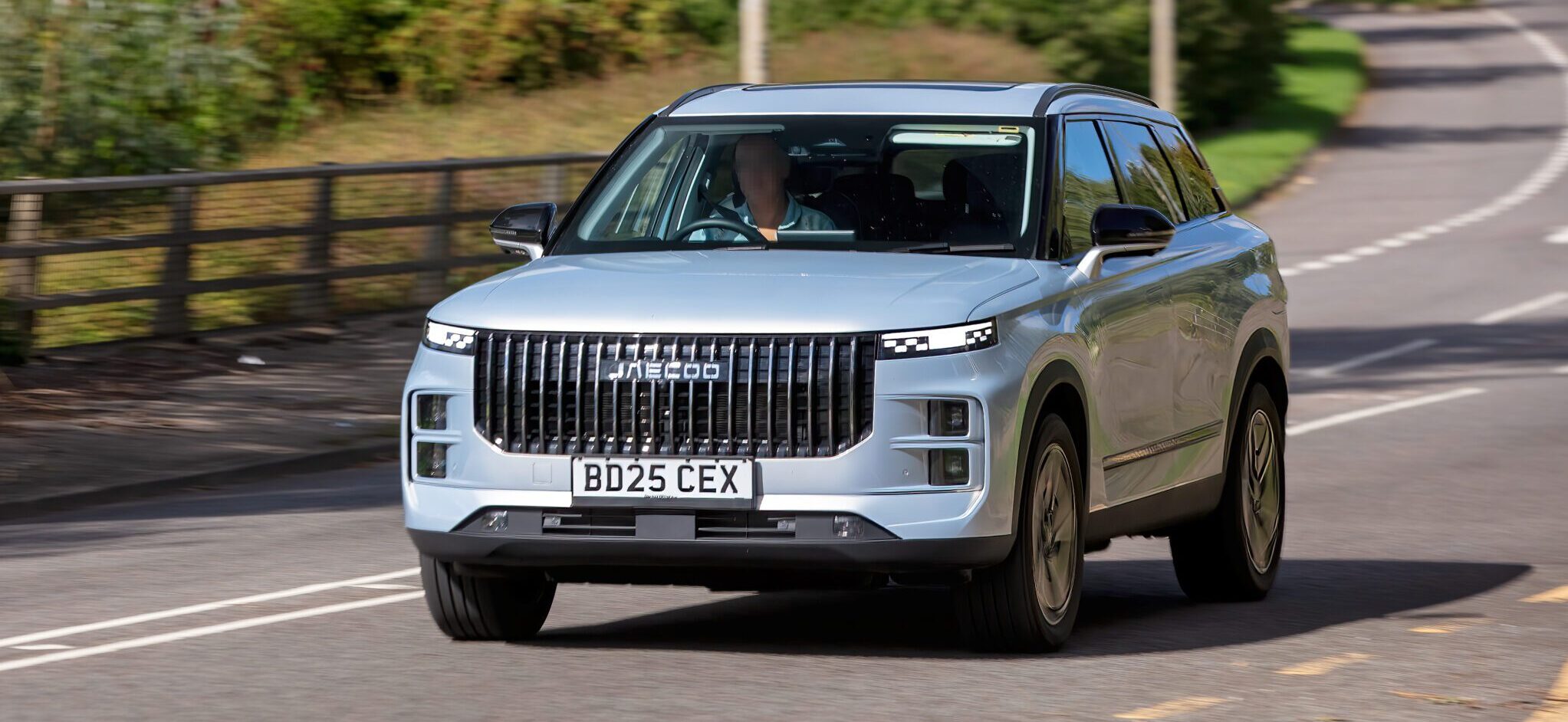
London appears ready to follow Brussels down a path it has so far avoided. According to The Times, UK officials are preparing duties on Chinese-built electric vehicles, a move designed less to shield British buyers than to keep UK factories plugged into the EU’s emerging “Made in Europe” framework.
The timing is awkward. Chinese brands captured 23% of UK new car sales in September, and an EV-only levy would leave much of that surge untouched. Chery’s Jaecoo 7, a model often nicknamed the “Temu Range Rover” and priced from roughly £30,000, has topped UK sales charts in several months of 2026, with 58,000 Jaecoo units sold this year alone. BYD nearly doubled its September share to 5.75% and sits at 68,000 year-to-date sales against BMW’s 91,000, while Leapmotor’s volume jumped 765% to beyond 13,000. Most of that momentum comes from combustion and plug-in hybrid variants, exactly the powertrains an EV-scoped tariff would skip.
That gap is the crux of the dilemma. Brussels has charged duties of up to 45% on Chinese EVs since October 2024 and is worried the UK could serve as a Hungary- or Turkey-style backdoor, particularly as talks over its Industrial Accelerator Act advance. Those local-content rules, styled on USMCA principles, could limit subsidies to vehicles built inside the bloc and shut out UK plants operated by JLR and Nissan. UK officials reportedly fear Chinese retaliation against JLR but have concluded that exclusion from Made in Europe would hurt far more, given a trading relationship worth €80bn. The Department for Business and Trade has said only that tariffs remain “under review.”
Industry voices are pushing for a negotiated outcome rather than a rupture. SMMT chief executive Mike Hawes has called for a “pragmatic agreement” recognising the UK as a trusted Made in Europe partner, warning that leaving UK-built vehicles outside the tent would damage two deeply integrated industries. Any levy would also mark a break from the previous Starmer government’s China posture, and the process itself is slow: the EU took 13 months from launching its probe to imposing duties. The blueprint exists, but the timeline and Beijing’s possible response remain open questions.
In the end, local assembly may matter more than any border tax. The EU treats Chinese firms that build on European soil as less of a threat, which is why BYD’s Hungarian plant sidesteps import duties. Nissan, despite its European chair Massimiliano Messina warning against a “Trojan horse” scenario, is in talks to build Chery vehicles at Sunderland, an arrangement that would satisfy Made in Europe rules. As Jaecoo and Omoda UK managing director Victor Zhang put it, tariffs come and go but they won’t change the company’s UK investment. The likely outcome is not fewer Chinese cars on British roads, but different ones, built closer to home.
What do you think?