
Uber Patents a Way to Keep Passengers From Getting Carsick While Reading in Self-Driving Cars
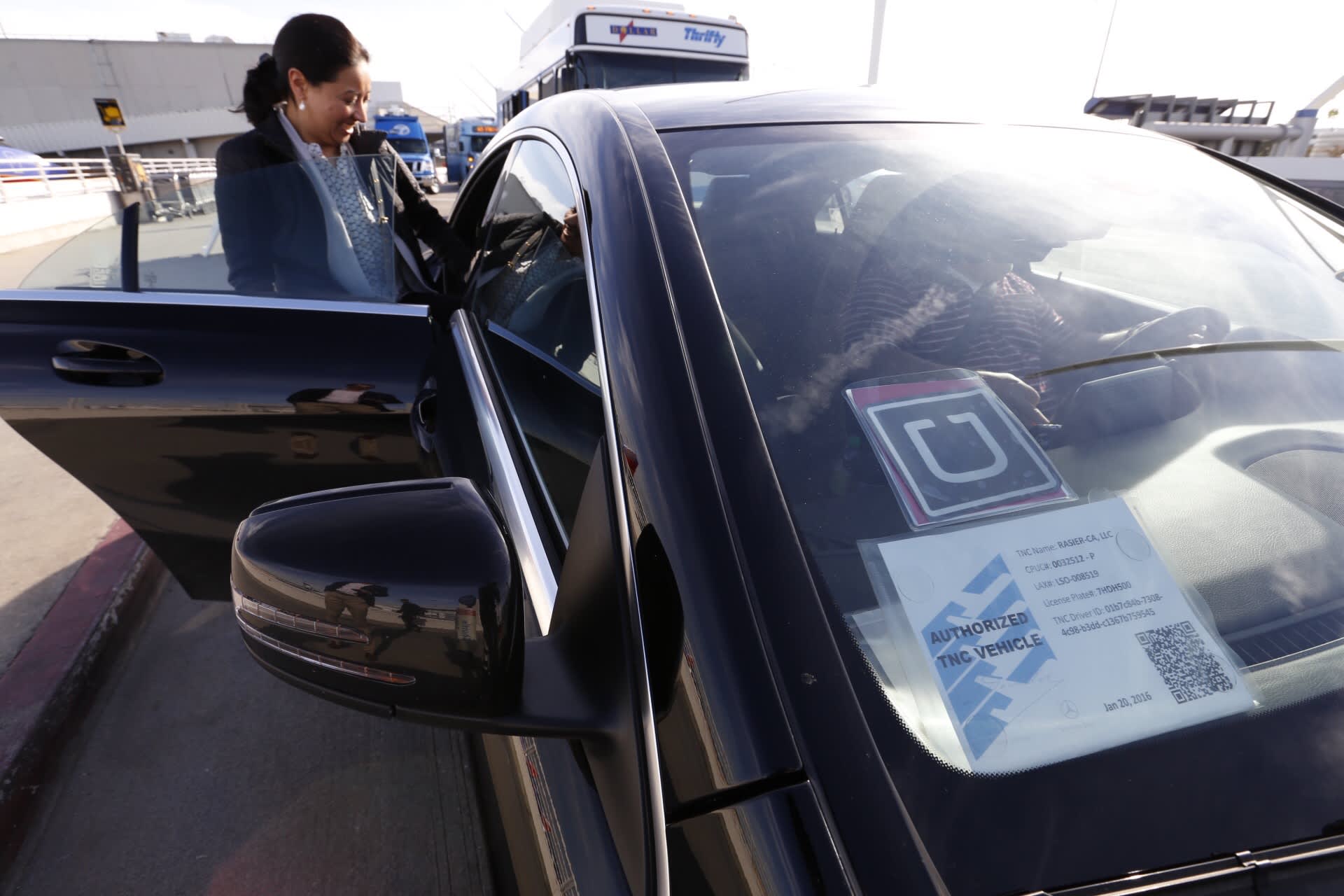
Reading in a moving car is a surefire way to trigger motion sickness for many people, and Uber is apparently thinking hard about that problem as it prepares for a future built around self-driving vehicles. According to CNBC, the ride-hailing company has filed a patent for a system that would help prevent passengers from feeling ill while they read or look at screens during an autonomous trip.
The idea tackles a well-known mismatch between what a passenger’s eyes and inner ear are telling the brain. When you fix your gaze on a book or a phone inside a moving vehicle, your eyes report a stationary page even as your body senses motion, and that conflict is what typically produces nausea and dizziness. Uber’s patent proposes using sensors and vehicle data to detect when a rider is engaged with a screen or a page and then to adjust something in the cabin — or in how the vehicle behaves — to reduce the chances of discomfort. In plain terms, the car would try to compensate for the conditions that make reading on the move unpleasant.
The patent is part of a broader race among automakers and technology companies to make time spent inside a self-driving car genuinely productive rather than just tolerable. Once a vehicle handles the driving itself, riders are expected to treat the cabin like a mobile lounge or office, watching video, answering email or working on a laptop. If motion sickness makes that experience miserable for a large share of passengers, it undercuts one of the main selling points of autonomy. That is why interior comfort and passenger well-being have quietly become engineering priorities alongside cameras, radar and software.
Uber has not been shy about its autonomous ambitions, having struck partnerships with a number of self-driving technology developers and outlined plans to bring robotaxi service to more cities. A patent filing does not guarantee that the feature will ever reach production vehicles, and the company has not confirmed any timeline for turning the concept into a shipping product. Even so, the application signals which problems Uber believes will matter most once the driver’s seat is empty.
Much of the public debate around self-driving cars focuses on safety and regulation, but the everyday details of the passenger experience may prove just as important to adoption. If riders can comfortably read, work or simply relax without reaching for a sick bag, the pitch for autonomous travel becomes considerably stronger — and Uber clearly wants a stake in solving that problem before the cars arrive in force.
What do you think?