
Autonomous Mobility This Week: Nissan Taps Valeo, Stellantis Brands Bet on Momenta, MAN Tests Driverless E-Bus in Munich
The autonomous driving supply chain took several notable steps forward this week, as automakers locked in software and systems partners while a European city prepared to put passengers on an automated bus for the first time.
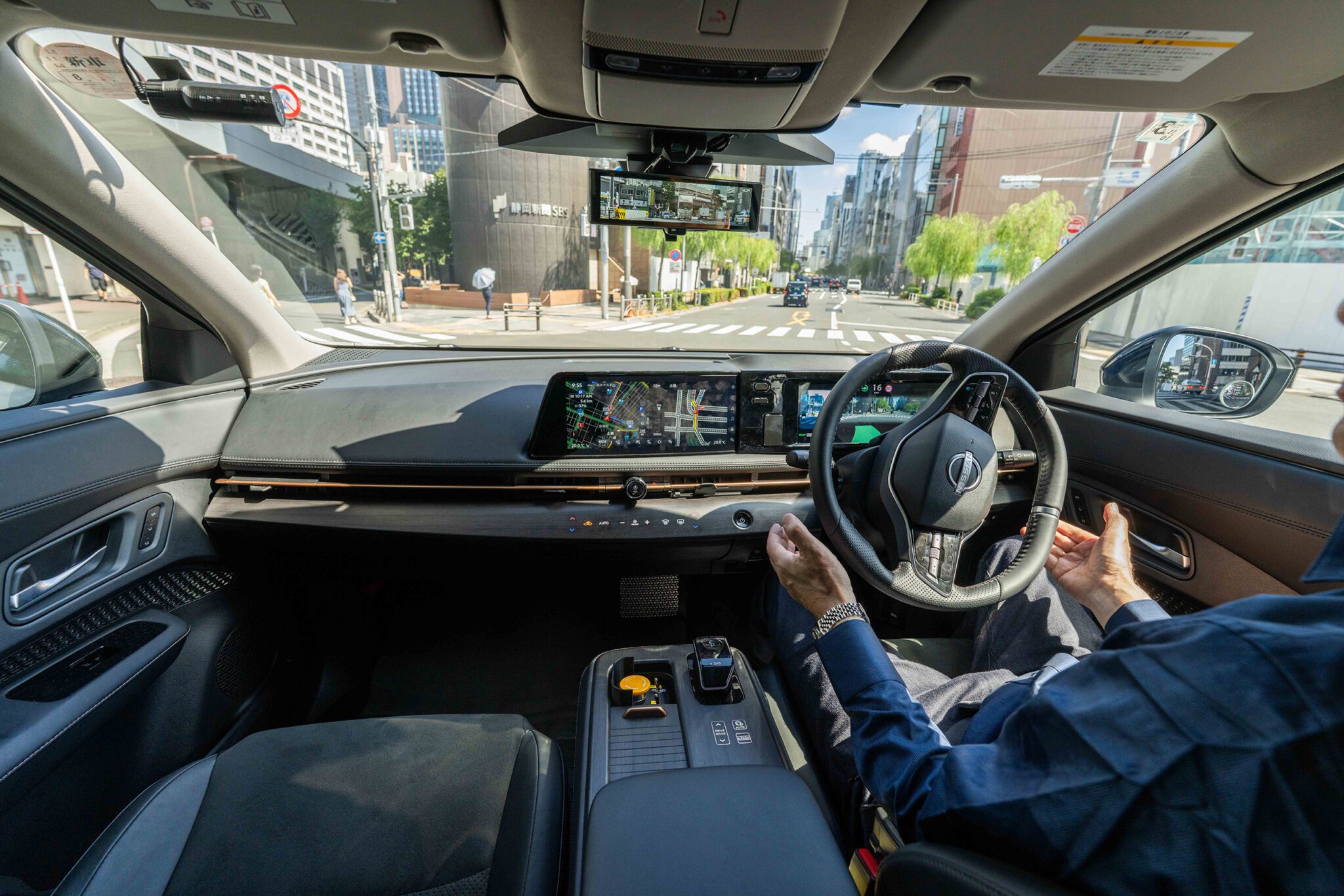
Nissan has chosen France’s Valeo to serve as lead system supplier for its next-generation ProPilot driver-assistance and automated driving technology. The system will lean on AI driving software developed by Wayve, the UK-based artificial-intelligence specialist. The arrangement signals Nissan’s intent to outsource a significant share of the engineering burden for its advanced driver-assistance stack rather than build everything in-house — a pattern increasingly common as automakers race to keep pace with rapid advances in machine-learning-based driving software. By pairing a tier-one supplier in Valeo with Wayve’s software, Nissan is effectively assembling a partnership chain that spreads both cost and technical risk.
Stellantis brands are also moving deeper into assisted driving. Momenta has secured a global deal to develop advanced driver-assistance systems for upcoming Peugeot and Jeep models, extending the Chinese software firm’s reach into two of the group’s highest-volume nameplates. The agreement underlines how ADAS development is becoming a cross-border endeavor, with Chinese AI specialists increasingly winning contracts with established Western automakers looking to speed up deployment across multiple brands and regions.
On the commercial-vehicle side, MAN Truck & Bus is testing an automated electric bus on a public route in Munich. Passenger rides are expected to begin in November, marking a concrete step from closed-course trials toward real-world service with members of the public on board. Combining automation with an electric drivetrain puts the pilot at the intersection of two of the industry’s biggest transitions — zero-emission propulsion and driverless operation — and could offer a template for future urban transit fleets.
In the Middle East, Dubai’s Roads and Transport Authority has opened Dubai Mobility Labs, a dedicated autonomous vehicle testing ground. The facility combines closed test tracks with a route that runs on public roads, giving developers a bridge between controlled environments and the unpredictability of real traffic. Taken together, the week’s developments show that the autonomous mobility race is no longer just about who builds the best software, but about how quickly partnerships, testbeds and regulatory frameworks can be stitched together across regions.
What do you think?