
Toyota Secures $1.3B Green Light to Build New EV in Argentina, Aiming at Chinese Rivals
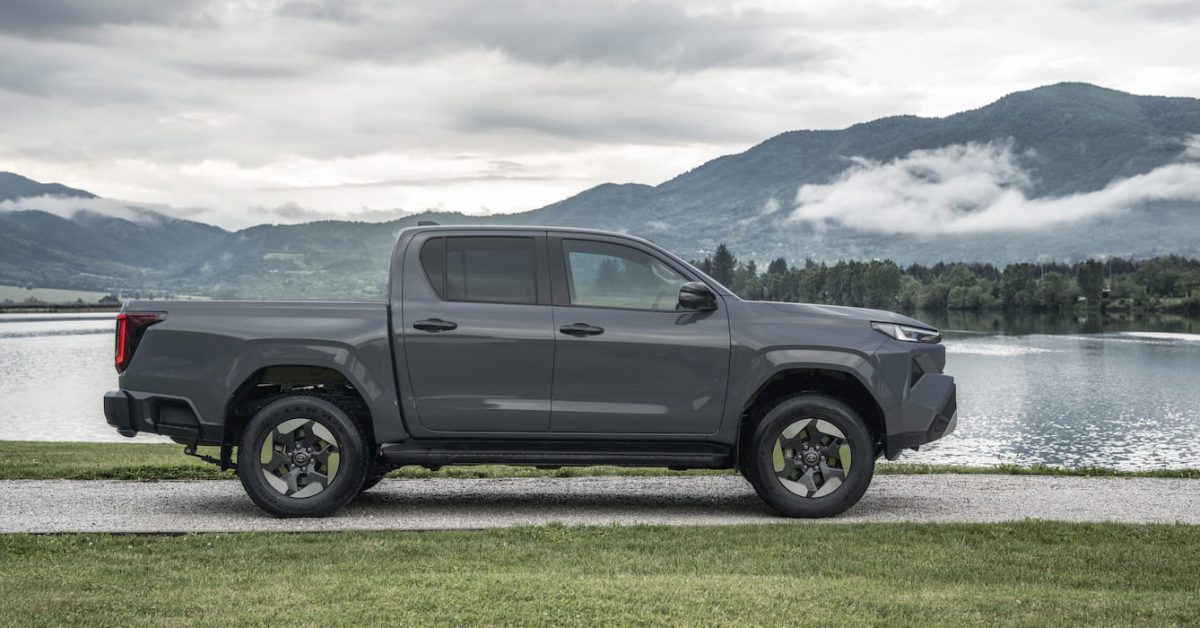
Toyota has received official approval to move forward with a massive new electric vehicle project in Argentina, marking the single largest investment ever made in the country’s automotive sector. The automaker’s local division confirmed that it has been admitted into the government’s RIGI incentive program for large investments, clearing the way for a roughly $1.3 billion commitment at its Zárate facility in Buenos Aires province. The plant has been assembling vehicles since 1997 and currently rolls out the Hilux pickup, the SW4 SUV, and the Hiace commercial van.
The scale of the undertaking is significant. Toyota estimates that approximately 3,600 jobs will be created during the initial construction phase, with around 2,600 permanent positions remaining once the upgrades are fully completed. According to Argentina’s Minister of Economy, Luis Caputo, the revamped plant is expected to generate close to $1.28 billion in annual exports, with roughly 70 percent of its output destined for foreign markets. Toyota has indicated that it will disclose further details about production plans in the near future.
While Toyota has not yet officially named the model that will be built in Zárate, industry observers point to the Hilux BEV as a strong candidate. The all-electric pickup is already manufactured in Thailand and exported to Europe, Asia, Australia, and other regions. Bringing it to Argentina would allow Toyota to localize production for Latin American customers and shorten delivery chains.
The strategic context is hard to ignore. Chinese manufacturers such as BYD, Geely, and Chery have been rapidly gaining ground in Latin America, offering lower-cost electric vehicles that appeal to price-sensitive buyers. BYD alone sold 85,800 vehicles in the region through July, representing nearly 60 percent of the 147,493 EVs sold across Latin America during that period. For Toyota, establishing a local EV manufacturing foothold is a direct response to that competitive pressure.
Toyota’s broader global strategy — often described as “multi-pathway” — involves offering gasoline, hybrid, plug-in hybrid, battery electric, and fuel cell options simultaneously. But the company is increasingly adapting to market realities, relying on Chinese batteries and software in some vehicles to stay competitive. It broke ground on a Lexus EV plant in Shanghai last summer, scheduled to open in 2027, and its top-selling EV in China, the bZ3X, reportedly uses nearly 90 percent locally sourced parts. Globally, Toyota sold 267,649 EVs through August, more than double its total from the same period in 2025 — a sign that its electric push is finally gaining traction.
What do you think?