
Turkey's Electric Vehicle Fleet Surpasses 470,000 as Domestic Togg and Charging Network Drive Growth
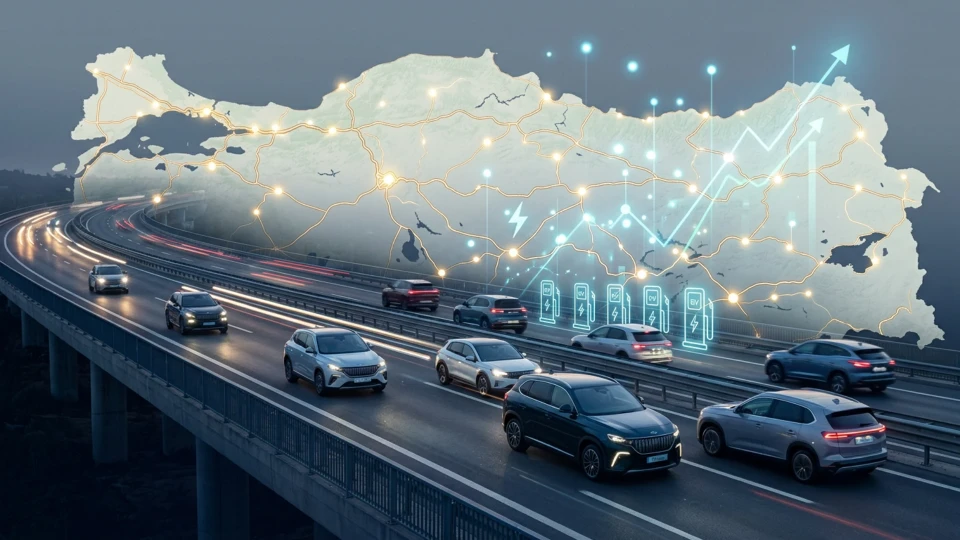
Turkey’s electric vehicle market has reached a significant milestone, with the total number of electric cars on the road now exceeding 470,000 units. The figure represents a record high for the country, underscoring a rapid shift in consumer preferences toward battery-powered transportation. The growth has been fueled by a combination of factors, including the expanding presence of domestic automaker Togg and a steadily improving charging infrastructure across major cities and highways.
The rise in electric vehicle adoption reflects a broader trend in Turkey, where drivers are increasingly turning to models that offer lower running costs and reduced environmental impact. The surge has been particularly notable in recent months, as more affordable and diverse electric models have become available to consumers. Alongside Togg, several international brands have contributed to the increase, offering a range of options from compact hatchbacks to SUVs.
Charging infrastructure has played a critical role in supporting this growth. The number of charging stations has grown substantially, addressing one of the primary concerns for potential EV buyers. This expansion has made long-distance travel more feasible and has helped ease range anxiety, a common barrier to adoption. The government has also implemented policies to encourage electric vehicle use, including tax incentives and support for charging network development.
Togg, Turkey’s first domestic electric vehicle brand, has been a key driver of the market’s momentum. Its vehicles have resonated with local consumers, and the brand’s success has been cited as a catalyst for broader interest in electric mobility. The company’s production and sales figures have steadily risen, contributing to the overall fleet size. The presence of a homegrown manufacturer has also spurred competition and investment in the sector.
Looking ahead, industry observers expect the electric vehicle count to continue climbing as new models enter the market and charging infrastructure expands further. The 470,000 milestone is seen as a sign that electric mobility is moving from early adoption to a more mainstream phase in Turkey. However, challenges remain, including the need for faster charging in rural areas and the overall cost of electric vehicles compared to conventional cars. Nonetheless, the current trajectory suggests that electric vehicles will play an increasingly central role in the country’s automotive landscape.
What do you think?