
Toyota Readies More Affordable RAV4 Plug-In Hybrid to Challenge CR-V and Tucson
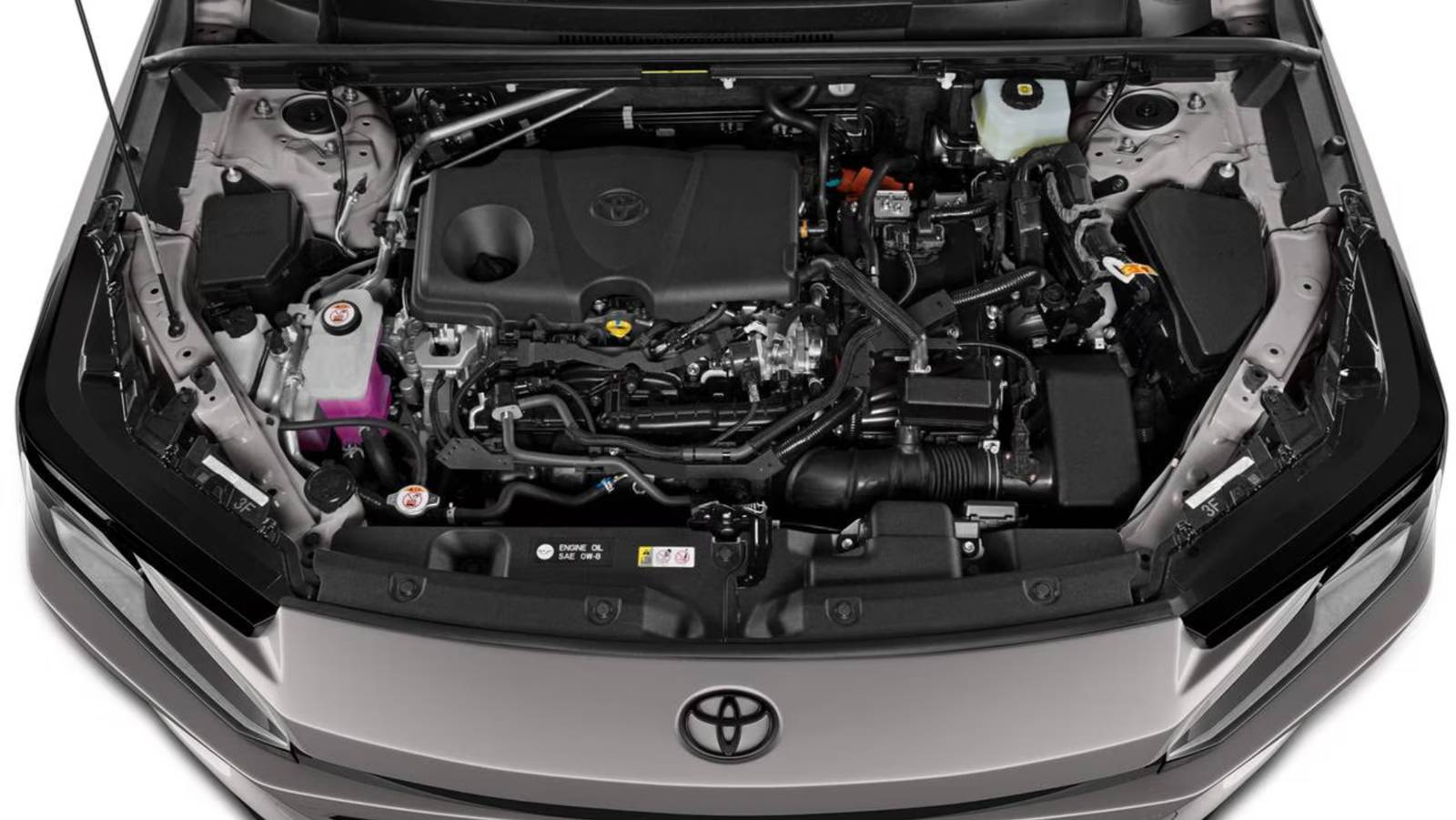
Toyota is preparing to introduce a more affordable version of its RAV4 Plug-In Hybrid, a move that will intensify competition in the compact hybrid SUV segment. The RAV4 Prime, as it is known in some markets, has been praised for its combination of electric-only range and overall efficiency, but its higher price point has limited its appeal compared to rivals like the Honda CR-V Hybrid and Hyundai Tucson Hybrid. By offering a cheaper plug-in variant, Toyota aims to capture a larger share of the growing demand for electrified family vehicles.
The strategy appears to be a direct response to the success of the CR-V and Tucson, both of which have gained traction with hybrid powertrains that balance fuel economy and cost. The CR-V Hybrid, for instance, has been a top seller for Honda, while Hyundai’s Tucson Hybrid offers a compelling mix of style, technology, and value. Toyota’s decision to expand the RAV4 Plug-In Hybrid lineup with a more accessible trim suggests the company is keen to defend its turf in the highly competitive compact SUV arena.
While specific details about the new variant remain under wraps, industry observers expect it to retain the core strengths of the RAV4 Plug-In Hybrid, such as its impressive electric range and standard all-wheel drive in some configurations. The move could also signal Toyota’s broader intent to make plug-in hybrid technology more mainstream, bridging the gap between conventional hybrids and fully electric vehicles. As emissions regulations tighten globally, offering a lower-priced PHEV could help Toyota attract buyers who are not yet ready to go fully electric but want to reduce their carbon footprint.
The compact SUV segment is fiercely contested, with nearly every major automaker offering some form of electrification. By making the RAV4 Plug-In Hybrid more affordable, Toyota is not only taking on Honda and Hyundai but also positioning itself against upcoming PHEVs from other brands. The success of this strategy will depend on how well the new trim is equipped and priced relative to its competitors. If Toyota can deliver a compelling package without sacrificing too many features, it could set a new benchmark for value in the plug-in hybrid SUV class.
As the automotive industry continues to shift toward electrification, Toyota’s move underscores the importance of affordability in driving adoption. The cheaper RAV4 Plug-In Hybrid could become a key player in the brand’s lineup, appealing to families seeking a practical, efficient, and now more accessible option. With the CR-V and Tucson firmly in its sights, Toyota is clearly signaling that it intends to lead the charge in the mainstream plug-in hybrid market.
What do you think?